
Flowers
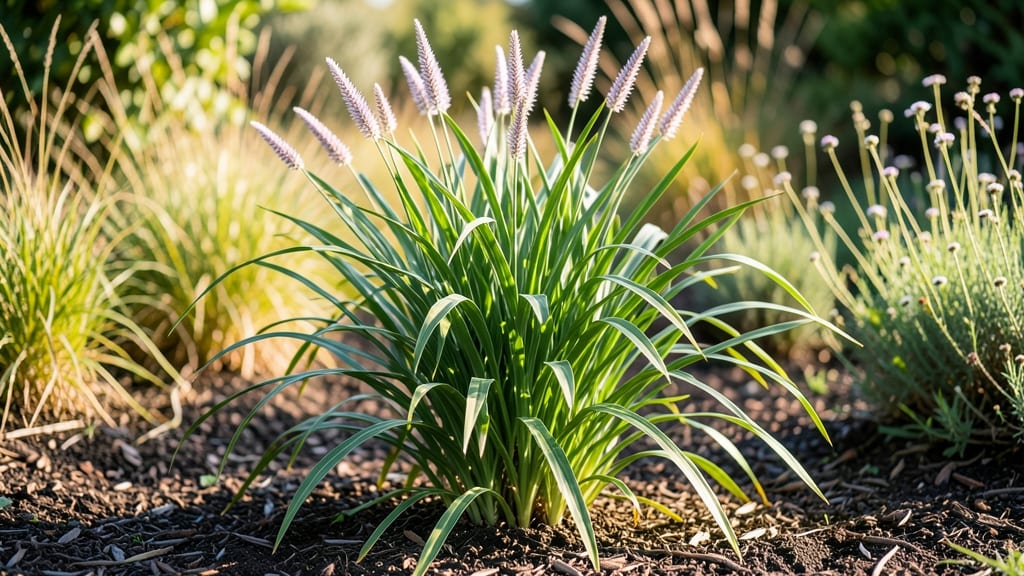
Citronella functions as a perennial in warm climates because its rhizomes store energy underground, allowing it to regrow each year. In colder regions, though, it typically dies back annually unless protected from frost.
This behavior comes down to how citronella's rhizome system behaves under different conditions. In frost-free zones (USDA 9-11), those underground stems act like a living battery, sending up fresh shoots year after year—just like true perennials.
But when temperatures drop below 25°F, the plant's above-ground growth freezes, and only the protected rhizomes survive. 🌱 The key difference is that while it may appear annual in cold climates, its biological structure still classifies it as a perennial when given proper winter care.
For gardeners in cooler areas, this means you can extend its lifespan by mulching heavily or growing it in containers that you can move indoors.
The rhizomes themselves are surprisingly hardy—they'll often bounce back with the right protection, proving that what matters most is how you support its natural growth patterns.
💡 In This Article
- How Citronella’s Rhizome System Determines Its Perennial Nature
- Growing Citronella as a Perennial: Climate Zones and Winter Care
How citronella’s rhizome system determines its perennial nature
Citronella's perennial status hinges entirely on its rhizome system, a horizontal underground stem that stores nutrients and acts as a biological survival mechanism. These thick, fleshy rhizomes contain specialized cells called parenchyma, which store starches and sugars—essentially functioning like a plant's energy reserve.
When temperatures drop below 25°F, the above-ground foliage freezes, but the rhizomes remain dormant yet alive, protected by their insulating soil layer.
The regeneration process begins in spring when soil temperatures rise above 60°F. The rhizomes detect warmth and moisture, triggering the release of growth hormones like auxins that stimulate new shoots.
This is why you'll often see citronella resprouting from the same spot year after year in warm climates—it's not starting fresh like an annual, but continuing its growth cycle from a 3-5 inch deep underground network. 🌱 In contrast, true annuals like marigolds complete their entire lifecycle in one season without any persistent underground structures.
What makes citronella's growth pattern unique is its ability to adapt. In tropical regions (USDA zones 9-11), it behaves like a true perennial, growing continuously with minimal winter dieback. But in cooler zones (5-8), the same plant will behave more like an annual unless you provide protection.
This adaptability comes from its Cymbopogon genus relatives, which evolved in Southeast Asia's monsoon climates—where they experience both wet and dry seasons but never freezing temperatures.
The rhizomes also play a defensive role. When damaged or disturbed, they can produce new growth points along their length, a trait shared with other hardy perennials like ginger.
This makes citronella surprisingly resilient—even if you accidentally cut back the foliage in late fall, the rhizomes may still survive to regrow in spring. The trade-off is that this resilience requires careful management in colder climates where the ground freezes deeper than 6 inches.
For comparison, consider how a true perennial like hosta operates. Both store energy underground, but hosta's rhizomes grow more vertically and are better insulated by leaf litter.
Citronella's horizontal growth pattern makes it more vulnerable to soil temperature fluctuations, which explains why it needs 3-4 inches of mulch in marginal climates to protect those critical underground stems. 💫
Here's what the science shows about its growth cycle:
- Spring: Rhizomes detect warmth (>60°F) and begin shoot production within 2-3 weeks
- Summer: Above-ground growth reaches 3-5 feet tall while rhizomes expand horizontally
- Fall: Photosynthesis slows as days shorten, but rhizomes continue storing nutrients
- Winter: Above-ground parts die, but rhizomes remain viable if soil temps stay above 20°F