
Flowers
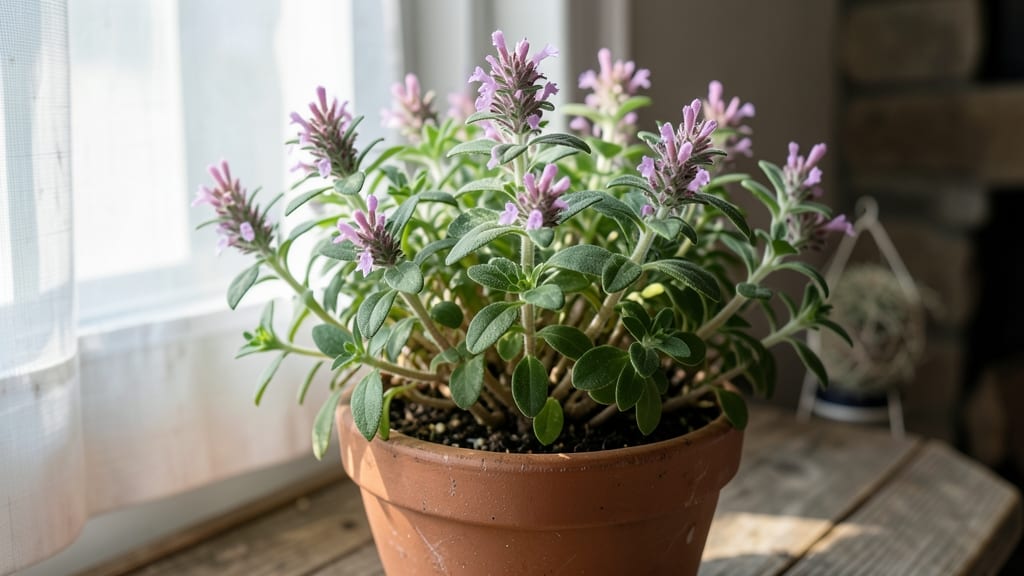
Yes, oregano is a perennial herb that thrives as a hardy, long-lived plant in USDA zones 5-9, thanks to its robust underground rhizomes that regrow annually even after cutting back or frost exposure. Proper care extends its lifespan for years beyond a single growing season.
That perennial status comes from oregano's underground rhizome system, which acts like a built-in survival network. 🌱 Unlike annual herbs that die back completely each winter, these woody stems store nutrients and send up new shoots each spring—even after severe pruning or light frost.
The key to long-term growth is protecting these roots from extreme cold and maintaining well-draining soil, which prevents rot while encouraging vigorous regrowth.
What sets oregano apart from other perennials is its adaptability. While it may look like an annual in colder zones if not properly insulated, established plants can live for 5-10 years or more with minimal care.
The secret lies in timing—cutting back in early spring before new growth appears prevents energy drain while allowing the rhizomes to rebuild for another productive season.
💡 In This Article
- How Oregano’s Rhizome System Classifies It as a Perennial
- Maximizing Oregano’s Lifespan: Pruning and Winter Care Tips
How oregano’s rhizome system classifies it as a perennial
The true reason oregano earns its perennial status lies in its rhizomatous root system—a network of thick, woody underground stems that store carbohydrates and nutrients year-round.
Unlike annual herbs like basil or cilantro, which grow from seeds and die after one season, oregano's rhizomes act like a biological battery, regenerating new shoots each spring from the same root base. These stems can extend 12-18 inches underground, creating a dense web that resists drought and soil compaction.
Botanically, oregano belongs to the Lamiaceae family, where many members (like thyme and mint) share this rhizome adaptation. The key difference is oregano's hardiness: its rhizomes survive -10°F to -20°F (USDA zones 5-9) when properly insulated, while other rhizomatous herbs often need milder climates.
What's fascinating is how these roots oxidize—releasing energy stored as starches—during dormancy, then regenerate with warmth, explaining why you'll see fresh green shoots even after a harsh winter.
This system also explains why oregano plants often spread aggressively—rhizomes grow horizontally, sending up new stems 12-18 inches from the mother plant. Gardeners in zones 7-9 sometimes find oregano colonizing entire garden beds!
The trade-off is its multi-year productivity: a well-established plant can yield 3-5 times more harvestable leaves than a first-year annual, making the perennial investment worthwhile for serious cooks.
Compare this to annual herbs like cilantro, which bolt (flower and die) within 60-90 days due to their taproot system. Oregano's rhizomes, however, avoid bolting by allocating energy to root growth instead of flowering—until the plant is 3-4 years old, when it finally produces those familiar white blossoms.
This delayed flowering is another perennial advantage, giving you 2-3 full harvest seasons before reproductive energy kicks in.
What most gardeners miss is how pruning timing affects rhizome health. Cutting back too late in fall (after first frost) forces the plant to regrow before winter, weakening its cold resistance.
The sweet spot is early spring—when new shoots are 2-3 inches tall—to encourage bushier regrowth while preserving root energy for winter survival.
For visual learners, imagine oregano's rhizomes as a subterranean spiderweb: each node contains dormant buds capable of sprouting new stems. This explains why even a 2-inch root fragment can regrow into a full plant—a trait gardeners exploit when dividing overcrowded clumps. 🌱