
Flowers
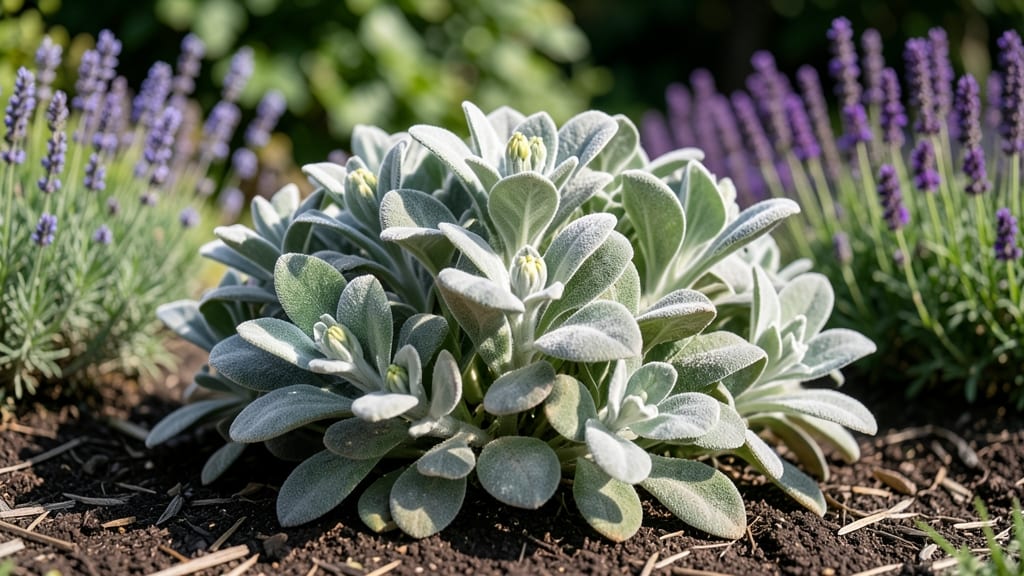
Dusty Miller behaves as a tender perennial in USDA Zones 7-10, where it dies back in winter but regrows from seed or cuttings. In colder zones, it's typically grown as an annual or overwintered indoors.
This gray-green foliage plant thrives in warmer climates because its roots and seeds survive winter dormancy, allowing it to bounce back each spring. 🌿 Unlike true perennials like lavender, which regrow from established root systems, Dusty Miller often relies on seed germination or cuttings to return.
In colder zones, gardeners must take extra steps—like bringing cuttings indoors—to preserve the plant year after year. The silver-gray leaves also help it tolerate heat better than many other annuals, making it a popular choice for summer containers.
For those in frost-prone areas, overwintering Dusty Miller requires careful planning. Cut back stems before the first freeze, then propagate cuttings in well-draining soil indoors under bright light. Maintaining humidity and avoiding overwatering are key to keeping them alive until replanting in spring.
If you're looking for a hardier alternative, consider Artemisia ‘Powis Castle’, which handles colder temperatures with similar silvery foliage.
💡 In This Article
- Dusty Miller’s Perennial vs. Annual Growth Cycle
- How to Overwinter Dusty Miller in Cold Climates
Dusty Miller’s perennial vs. annual growth cycle
The key difference between Dusty Miller's behavior and true perennials lies in its root system and seed viability. In USDA Zones 7-10, where winter temperatures rarely drop below 20°F, Dusty Miller's roots can survive mild dormancy—similar to how lavender or sedum behave.
However, its roots aren't as robust as those of true perennials, which explains why it often relies on seed germination rather than regrowing from established roots each spring. 🌱
Here's what happens in warmer zones: After the first frost, the plant's above-ground growth dies back completely, but the seeds (which often self-sow) remain dormant in the soil. When temperatures rise above 50°F in spring, these seeds germinate, producing new plants.
The silver foliage also plays a role—its reflective surface helps reduce heat absorption, allowing the plant to tolerate summer temperatures up to 95°F without wilting, unlike many annuals that bolt or fade in heat.
In true perennials like lavender, the root crown survives winter intact, ready to produce new growth immediately when temperatures warm. Dusty Miller's survival strategy is different: it's more like an ephemeral perennial that relies on both seed banks and cuttings for regeneration.
This makes it behave like a perennial in mild climates but act as an annual in colder regions where seeds don't reliably survive winter soil temperatures.
Another critical factor is the plant's growth rate. Dusty Miller grows aggressively in warm weather, reaching 12-24 inches tall with a 12-18 inch spread by mid-summer. This rapid growth helps it establish enough biomass to produce viable seeds before winter sets in.
In contrast, true perennials like sedum typically grow more slowly and focus energy on root development rather than seed production.
For gardeners in transitional zones (like Zone 6), this means Dusty Miller might survive a mild winter but often needs help to return the following year.
The silver-gray leaves contain trichomes—tiny hair-like structures—that help reflect sunlight and reduce water loss, giving it an edge over non-silver-foliaged plants in hot, dry conditions. However, these adaptations don't protect it from freezing soil temperatures below 15°F for extended periods.
Consider this comparison: While lavender's roots can endure -10°F winters, Dusty Miller's roots typically survive only down to 20°F—about the same as impatiens or coleus. This is why it's classified as a tender perennial rather than a hardy one.
The plant's ability to self-seed makes it persist year after year in warm climates, but without this mechanism, it would disappear completely after the first hard freeze. 🌿