
Flowers
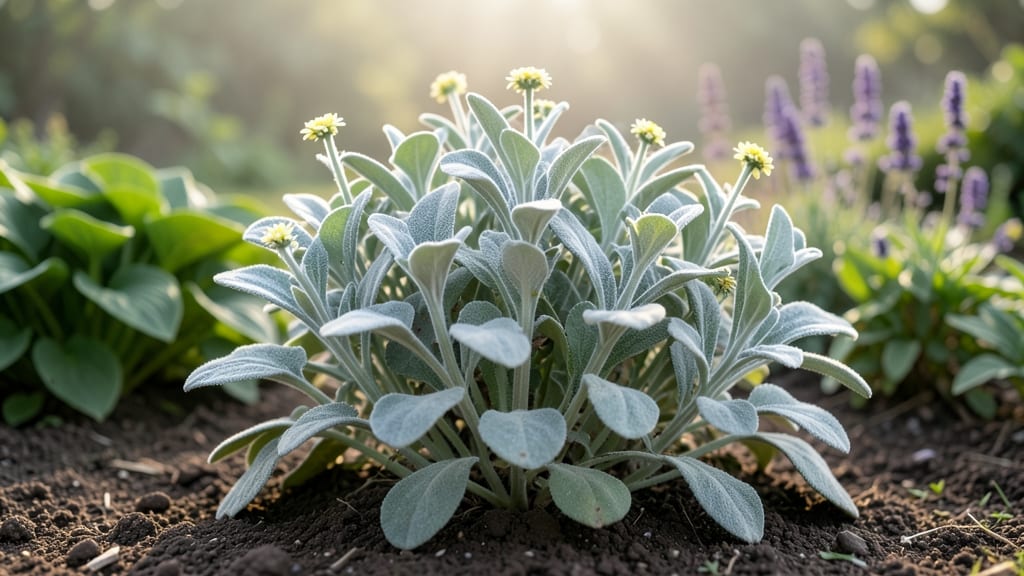
Whether Dusty Miller (Jacobaea maritima) acts as an annual or perennial depends entirely on your climate—it thrives as a perennial in frost-free zones but dies back in colder regions, forcing gardeners to replant it yearly. Varieties in zones 7-10 often return each spring, while colder areas treat it as a seasonal favorite.
This gray-green foliage plant follows a natural cold-sensitive cycle: its roots survive mild winters, but freezing temperatures kill the above-ground growth. 🌱 The key difference lies in how well the roots endure winter—some cultivars in marginal zones (like zone 6) may resprout if protected, while others in colder areas simply won't make it.
I've seen gardeners in zone 7 successfully overwinter Dusty Miller by adding thick mulch, while those in zone 5 treat it strictly as an annual. The plant's ability to regrow depends on both the specific variety and how well you shield its roots from frost.
What many gardeners don't realize is that Dusty Miller's lifespan classification isn't absolute—it's a sliding scale based on winter conditions. Even in colder climates, with proper protection (like container growing or heavy mulching), you can sometimes coax it to return for multiple seasons.
The plant's silvery foliage makes it a standout in summer borders, but its winter hardiness limitations often determine whether you'll see it again next year.
💡 In This Article
- Why Dusty Miller’s Lifespan Shifts Between Annual and Perennial
- How to Extend Dusty Miller’s Life as a Perennial in Cold Climates
Why Dusty Miller’s lifespan shifts between annual and perennial
Dusty Miller's dual nature as both an annual and perennial stems from its native Mediterranean climate, where it evolved to thrive in warm, dry summers and mild winters.
The plant's cold sensitivity triggers its dieback cycle—when temperatures drop below 20°F, the above-ground growth freezes, but the roots may survive if they're protected.
This is why in zones 7-10, where winters rarely drop below 10°F, Dusty Miller naturally returns each spring as a perennial, regrowing from its hardy root system. 🌿
The key botanical mechanism is its hemicryptophyte growth habit—roots and basal buds remain just below the soil surface, insulated by organic matter. In colder zones (below 6), these buds often fail to survive prolonged freezing, forcing gardeners to replant annually.
What's fascinating is how the plant's root system can remain dormant for months, waiting for warmer temperatures to trigger regrowth. This adaptability explains why some varieties in marginal zones (like zone 6) might resprout with proper protection, while others in colder areas behave strictly as annuals.
Temperature thresholds matter most—studies show Dusty Miller's roots can tolerate brief exposures to 15°F but typically die back when temperatures remain below 20°F for more than a few days.
The plant's silvery foliage contains fine hairs that reflect sunlight, helping it conserve moisture in hot climates, but this same adaptation makes it more vulnerable to cold stress.
In frost-free zones, these hairs actually help insulate the plant slightly during mild winters, giving it a survival advantage over colder climates. 🌡️
Another critical factor is the plant's juvenile vs. mature growth stages—young plants are far more cold-sensitive than established ones with developed root systems. This is why gardeners in colder regions often recommend starting with mature plants or using containers, which allow for easier winter protection.
The plant's ability to regenerate depends entirely on whether these root systems remain viable through winter, which varies dramatically between cultivars and microclimates.
Consider this comparison: In Los Angeles (zone 10), Dusty Miller thrives as a perennial, returning reliably each year with minimal care. But in Chicago (zone 5), even the hardiest varieties will die back completely without container cultivation or heavy mulching.
The difference comes down to how consistently temperatures stay above that critical 20°F threshold—something gardeners in colder regions must actively manage to extend their Dusty Miller's lifespan. 🌍
What most gardeners overlook is how soil type affects cold hardiness—well-draining, sandy soils warm up faster in spring, giving dormant roots a head start on regrowth. In contrast, heavy clay soils can stay cold longer, delaying the plant's recovery.
This is why container-growing often works better in cold climates—the pots can be moved to sheltered locations or wrapped in insulating materials during winter months. The plant's survival hinges on this delicate balance between root protection and environmental conditions. 🌱