
Orchid Care
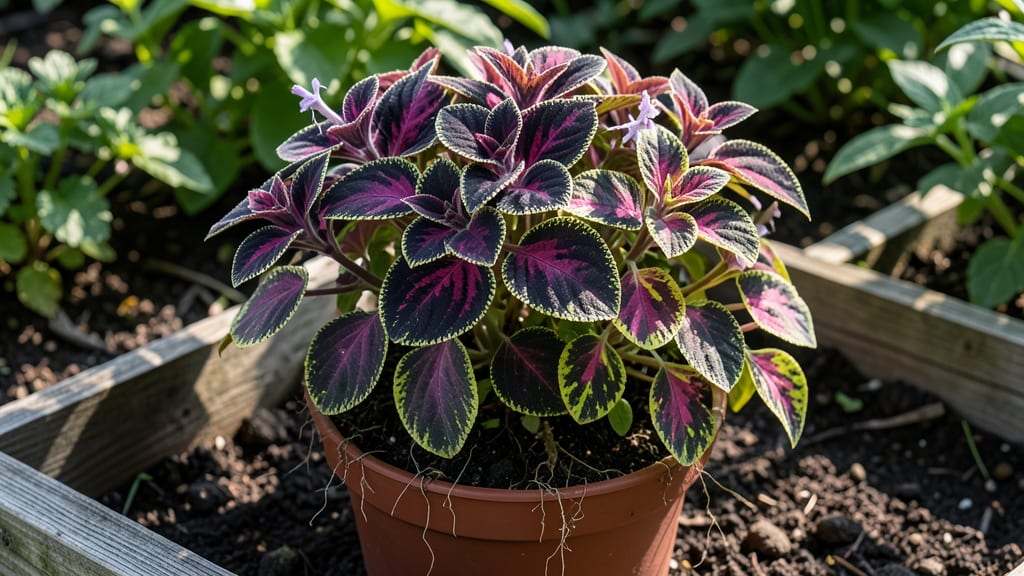
Whether coleus is annual or perennial depends on your climate: it thrives as an annual in colder regions but becomes a perennial in USDA zones 10-12, where frost-free winters let it grow year-round. With proper care, most varieties can even survive as tender perennials in milder areas.
Coleus plants behave differently based on temperature and frost exposure. In regions with harsh winters, they typically die back completely, forcing gardeners to replant each spring. 🌱 However, in warmer climates like Southern California or Florida, these vibrant plants can live for years with minimal care.
The key difference lies in their ability to withstand freezing temperatures—most coleus varieties can't handle frost, which is why they're often treated as annuals in cooler zones.
For those in transitional climates (zones 8-9), overwintering indoors or using cold frames can extend coleus's lifespan. I've found that selecting varieties with slightly thicker leaves—like 'Black Dragon' or 'Fireworks'—often improves cold tolerance. The secret is protecting the roots from freezing while allowing the plant to rest during cooler months.
💡 In This Article
- How Coleus Survives Cold Weather in Different Zones
- Extending Coleus Growth Beyond One Season
How coleus survives cold weather in different zones
Coleus plants are native to tropical and subtropical regions, which means their natural resilience stops at around 40°F.
When temperatures drop below this threshold, the plant's delicate cell membranes begin to rupture, causing irreversible damage. 🌡️ In USDA zones 10-12, where winter temperatures rarely fall below 30°F, coleus can thrive as a true perennial because it never experiences true freezing.
The plant's growth slows dramatically but doesn't stop entirely, allowing it to regenerate in spring.
The real battle begins in zones 8-9, where frost becomes a seasonal visitor. Most coleus varieties can tolerate brief dips to 28°F for short periods, but prolonged exposure leads to leaf blackening and stem dieback.
The root system is surprisingly hardy—it can survive 20°F for brief durations if protected by mulch—but the above-ground growth will perish. This is why gardeners in these zones often treat coleus as a "tender perennial," meaning it can be revived from cuttings or roots each year.
In colder zones (5-7), the entire plant typically dies back to the ground during winter. The key difference is in the root system's ability to regenerate.
Some varieties, particularly those with thicker stems like 'Wine and Roses,' have slightly better cold tolerance due to their higher starch content, which acts as a natural antifreeze.
However, even these won't survive prolonged freezing without protection. 🌱 What's fascinating is how coleus roots can remain viable in the soil for months, waiting for warmer temperatures to regrow—this is why you sometimes find volunteer coleus plants appearing unexpectedly in spring.
Leaf color plays an indirect role in cold survival. Darker-leaved varieties like 'Black Beauty' often have slightly better cold tolerance because their pigments absorb more heat, but this only provides a marginal advantage.
The real science lies in the plant's ability to produce antioxidants that protect cell membranes during cold snaps. This is why coleus grown in containers often survives better than in-ground plants—they can be moved to sheltered locations before frost arrives.
Here's what happens at the cellular level: when coleus experiences temperatures below 32°F, ice crystals form in the plant's vascular system, disrupting water flow and causing dehydration.
The plant's natural response is to produce more sugars in its cells, which lowers the freezing point—similar to how salt melts ice on roads. However, this protective mechanism only works for brief cold periods.
Prolonged exposure leads to irreversible damage as the plant's energy reserves become depleted trying to maintain cellular integrity. 💫
For gardeners in transitional zones, understanding this science helps explain why some years coleus might survive winter while others don't. Factors like soil moisture (too wet accelerates freezing damage), wind exposure (increases heat loss), and sudden temperature swings (which prevent the plant from acclimating) all play crucial roles.
The most cold-resistant coleus varieties typically come from higher elevations in their native tropical ranges, where they've adapted to cooler nighttime temperatures.