
Aphids
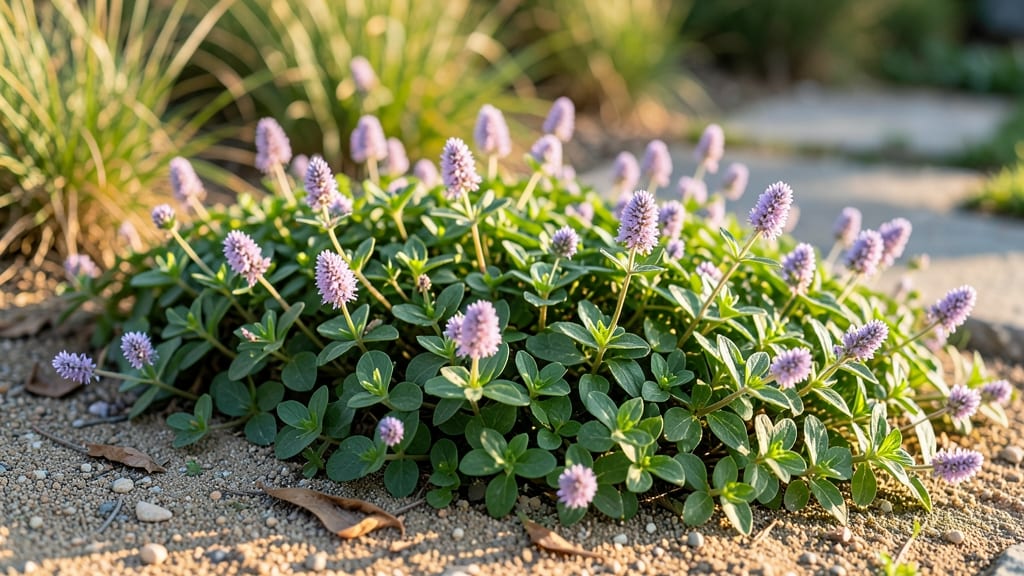
Yes, creeping myrtle is a perennial shrub, but its cold hardiness is limited to USDA zones 7-10. In colder regions, it often dies back to the ground each winter before regrowing in spring.
Creeping myrtle earns its perennial classification through its ability to regrow from the root system each spring, even after frost damage. 🌱 The key difference from true evergreens is its semi-deciduous nature—it sheds leaves in winter but keeps its woody structure alive.
This makes it more resilient than annuals but far less cold-tolerant than rhododendrons or boxwoods, which stay green year-round. In zones below 7, gardeners often treat it as a tender perennial, protecting it with mulch or container growing.
What sets creeping myrtle apart is its aggressive regrowth habit once temperatures rise. Even if the tops blacken in winter, the roots store enough energy to shoot up new growth by late spring. This adaptability is why it's prized in warmer climates but requires special care in northern gardens.
For those in marginal zones, selecting cold-hardy cultivars like 'Yankee' can push survival limits to zone 6 with proper winter prep.
💡 In This Article
- Creeping Myrtle Cold Hardiness: Zone Limits and Winter Survival
- Protecting Creeping Myrtle in Cold Climates: Mulching and Winter Care
Creeping myrtle cold hardiness: zone limits and winter survival
Creeping myrtle's perennial status hinges on its ability to survive winter through its root system, but this process is highly sensitive to temperature extremes. Unlike true evergreens that maintain foliage year-round, creeping myrtle enters a semi-dormant state where the above-ground growth dies back when temperatures drop below 20°F.
The roots, however, remain alive and insulated by the soil, storing carbohydrates to fuel spring regrowth. This makes it a "tender perennial"—capable of revival but only within specific temperature thresholds.
The USDA zone limits reflect this delicate balance: creeping myrtle thrives in zones 7-10 because these regions rarely experience prolonged sub-10°F temperatures. In zone 7, where winters average 0-10°F, the plant may survive with minimal damage, while zone 6 (-10°F) becomes marginal.
The critical threshold is -15°F—below this, root damage becomes likely. For comparison, boxwoods (a common evergreen) handle -25°F without issue, demonstrating creeping myrtle's relative fragility.
What makes this perennial unique is its regrowth mechanism. Even if the stems blacken in winter, the roots can push out new shoots by late spring, provided they weren't frozen solid.
This explains why gardeners in colder zones often see creeping myrtle treated as an annual—it dies back completely but may not always recover. The key difference from annuals is that creeping myrtle's roots persist year after year, unlike annuals that must be replanted.
Wind and moisture play hidden roles in winter survival. Creeping myrtle's thin bark offers little insulation, making it vulnerable to windburn when exposed. In dry winters, the lack of snow cover can push temperatures 10°F colder than in snowy regions.
This is why mulching becomes critical—adding 4-6 inches of organic mulch around the base can raise soil temperatures by 5-10°F, protecting those vital roots.
For those pushing its limits in zone 6, selecting cold-hardy cultivars like 'Yankee' (rated to -15°F) or 'Arapaho' (rated to -10°F) can improve survival odds. These varieties have been bred to handle slightly colder conditions, though they still require winter protection.
The trade-off is slower growth—hardier varieties often grow 20-30% slower than tropical strains but make better long-term investments for marginal climates.
Understanding these mechanics helps explain why creeping myrtle thrives in the Southeast but struggles in the Midwest. The plant's survival isn't just about temperature tolerance—it's about the combination of cold, wind, and soil conditions working together.
In ideal zone 9 conditions, you'll see creeping myrtle maintain its glossy foliage year-round, while in zone 7, it may lose leaves but bounce back robustly each spring.