
Flowers
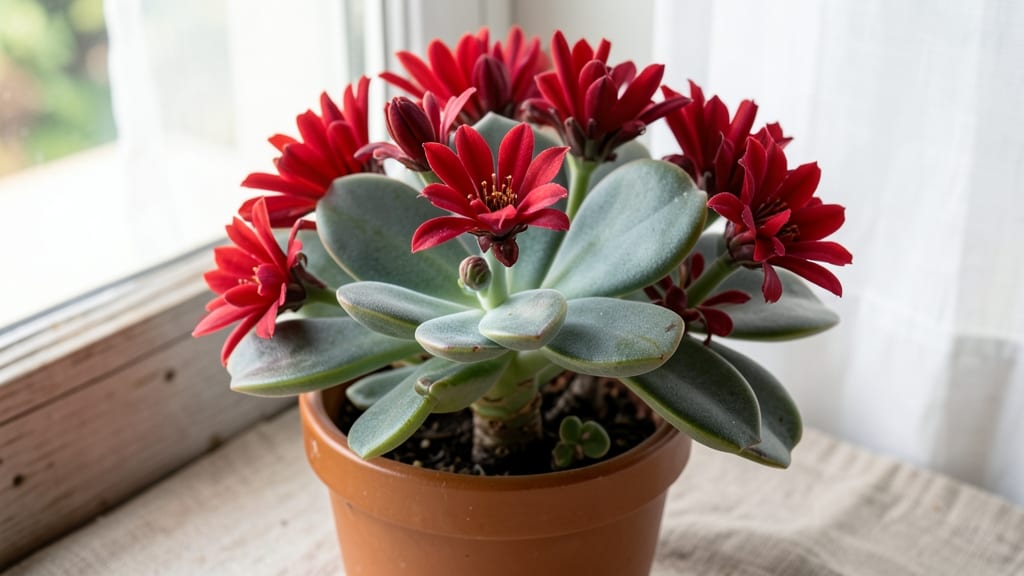
A kalanchoe acts as a perennial only in frost-free regions, where it maintains its leaves and growth cycle continuously. In colder climates, it behaves more like an annual, dying back when temperatures drop below 30°F, though many varieties can regrow from their base when warm conditions return.
A kalanchoe's perennial nature depends entirely on climate. 🌱 These tropical succulents store water in their leaves, which helps them survive dry spells but makes them vulnerable to freezing temperatures.
In USDA zones 9-11, they thrive outdoors year-round, but in colder zones, they'll need winter protection—either indoors or under cover—to persist through the season. The key to their regrowth lies in the roots, which often remain dormant but viable until spring warmth triggers new shoots.
What's fascinating is how these plants adapt: while they may lose their foliage in winter, their root systems can stay alive for years, ready to sprout fresh growth when conditions improve.
This survival strategy makes them perfect for gardeners who want long-term color but live in marginal climates. Just remember—consistent moisture and bright light are non-negotiable for encouraging that spring comeback.
💡 In This Article
- Kalanchoe Cold-Hardiness Zones and Survival Strategies
- Indoor Winter Care Tips for Kalanchoe Perennials
Kalanchoe cold-hardiness zones and survival strategies
Kalanchoes originate from tropical and subtropical regions of Madagascar, Africa, and Southeast Asia, where temperatures rarely drop below 50°F. Their succulent nature allows them to store water in thick leaves, but this adaptation backfires in freezing conditions.
When exposed to temperatures below 30°F, the water in their cells begins to crystallize, rupturing cell walls and causing irreversible damage. This is why they struggle in USDA zones 8 and colder, where winter lows often dip below their tolerance threshold.
The root systems of kalanchoes are surprisingly resilient—often surviving winter dormancy underground even when the foliage dies back. In zones 9-11, where winters stay above 30°F, these plants behave as true perennials, continuing their growth cycle year-round.
However, in colder regions, their survival depends entirely on protecting the roots from prolonged freezing. Mulching with 4-6 inches of organic material (like straw or wood chips) can provide 5-10°F of additional protection, while container-grown plants can be moved to sheltered locations.
What makes kalanchoes unique is their ability to regenerate from dormant roots. When spring temperatures rise above 55°F, the root systems sense the warmth and begin producing new shoots.
This regrowth isn't instant—it typically takes 4-6 weeks for visible foliage to emerge—but the roots can remain viable for years in ideal conditions. Gardeners in marginal zones often report their kalanchoes returning stronger each year, as the roots develop more extensive networks over time.
Cold exposure also affects the plant's flowering cycle. Kalanchoes require a period of 12-14 hours of darkness daily to trigger blooming, but freezing temperatures can disrupt this process. Plants that survive winter often produce fewer flowers in their first regrowth cycle, as energy is prioritized toward rebuilding foliage.
This is why many gardeners provide supplemental grow lights during winter to maintain consistent light exposure, even when plants are indoors.
Here's a quick comparison of how kalanchoes behave in different zones:
- Zones 9-11: True perennials with continuous growth
- Zones 8: May survive outdoors with heavy mulch (6+ inches)
- Zones 7 and colder: Require winter protection (containers, greenhouses, or indoor care)
The key to successful overwintering lies in understanding that kalanchoes prioritize root survival over foliage. Even if the leaves turn brown and crispy, the roots may still be alive beneath the soil, waiting for the right conditions to regenerate.
This makes them more resilient than many gardeners realize—with proper care, they can bounce back year after year, even in challenging climates. 🌿