
Aphids
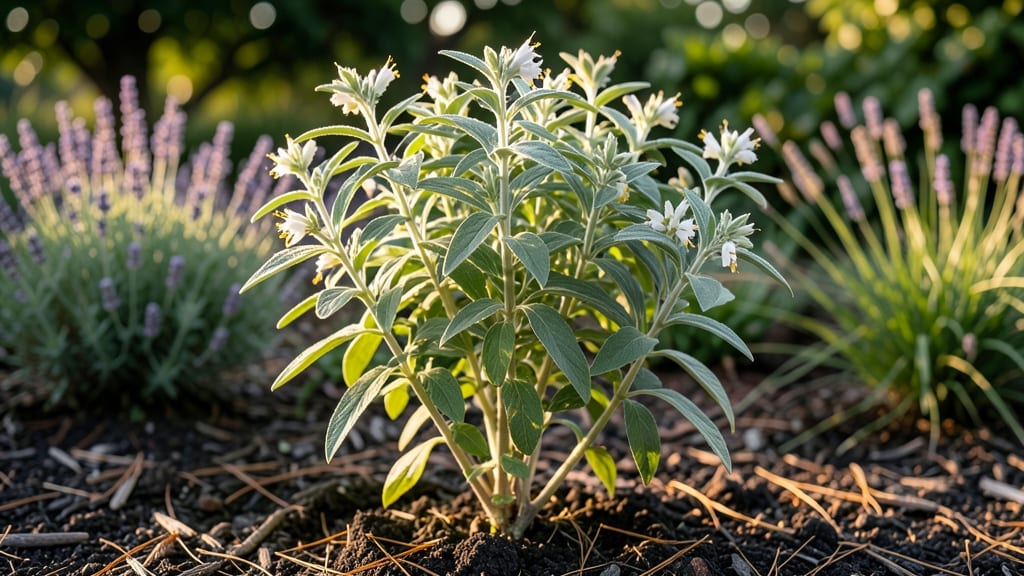
Lemon verbena behaves as a perennial in USDA zones 9-11 but dies back in colder climates, often requiring annual replanting or indoor overwintering. With the right care, you can propagate it from cuttings or roots each spring.
Lemon verbena's hardiness depends entirely on your climate zone. 🌱 In warmer regions (zones 9-11), it thrives year-round as a true perennial, returning reliably each season with minimal effort. However, in colder zones, it typically behaves like an annual—meaning it won't survive winter outdoors.
The good news? Many gardeners successfully revive it by taking stem cuttings in fall and rooting them indoors over winter. This way, you can enjoy fresh lemon verbena leaves for tea or cooking come spring.
The key to overwintering lies in timing and technique. Once temperatures drop below 32°F, the plant's leaves will yellow and crisp, signaling dormancy. At this point, you can dig up the roots or take 4-6 inch cuttings, then place them in water or soil indoors under bright light.
With consistent moisture and warmth, these cuttings will regrow leaves within 4-6 weeks, ready for transplanting back outside when frost risk has passed.
What makes lemon verbena unique is its ability to regenerate from even small root fragments. This means you don't always need perfect cuttings—sometimes just a 2-inch piece with a few nodes will sprout new growth.
This resilience makes it an excellent candidate for gardeners who want to preserve their favorite herbs through winter's chill.
💡 In This Article
- Lemon Verbena’s Perennial Nature in Different Climates
- How to Overwinter Lemon Verbena in Cold Zones
Lemon verbena’s perennial nature in different climates
Lemon verbena (Aloysia citrodora) is classified as a hardy perennial in USDA zones 9-11, where it naturally thrives year-round as a woody shrub reaching 4-6 feet tall.
In these frost-free climates, it establishes deep root systems that allow it to regenerate annually from the same base, much like rosemary or lavender. The plant's evergreen nature in warm zones means it maintains its aromatic foliage throughout winter, releasing its signature citrusy scent even during cooler months.
The magic happens in its cellular structure: lemon verbena's leaves contain high concentrations of citronellal and geraniol—volatile oils that give it that bright lemon aroma. These compounds also act as natural antifreeze agents, protecting the plant's tissues from mild cold snaps down to 28°F before damage occurs.
However, when temperatures drop below 25°F, the plant's leaves will brown and die back, signaling its semi-dormant state. 🌿 Unlike true perennials in colder zones (such as mint or comfrey), lemon verbena doesn't have the same cold-hardy root structure to survive prolonged freezing.
In colder regions (zones 3-8), lemon verbena behaves more like a tender perennial—meaning it can't survive winter outdoors without protection. The plant's growth cycle accelerates in summer, often reaching maturity by late summer, but the first frost triggers its dormancy response.
What's fascinating is how its growth pattern mirrors that of Mediterranean herbs: it thrives in hot, dry summers but struggles with prolonged cold. This is why gardeners in colder climates typically treat it as an annual or use propagation techniques to preserve it.
Botanically, lemon verbena belongs to the Verbenaceae family, which includes other frost-sensitive plants like lime verbena. Its classification as a "sub-shrub" explains its ability to regrow from woody stems each season. In warm climates, these stems remain green and productive year-round, while in cold climates, they require protection to survive.
The plant's adaptability makes it a favorite among gardeners who want to enjoy its intense lemon flavor without the commitment of a true perennial.
Consider this comparison: in zone 10 (California coast), lemon verbena grows continuously with only light pruning needed. But in zone 6 (Chicago), it requires either complete removal before frost or careful indoor overwintering.
The difference comes down to how quickly the plant can recover from cold stress—something that takes weeks in warm climates but months in colder ones. This explains why many gardeners in northern regions prefer to grow it in containers for easier winter relocation. 🌡️
The plant's ability to regenerate from cuttings or even small root fragments is what makes it so resilient. Even if the above-ground parts die back, the root system can often survive in well-drained soil down to 20°F for short periods.
This is why many gardeners in marginal zones (like zone 8) can sometimes get their lemon verbena to return in spring without any special care—though results vary based on microclimate and soil conditions.