
Planting
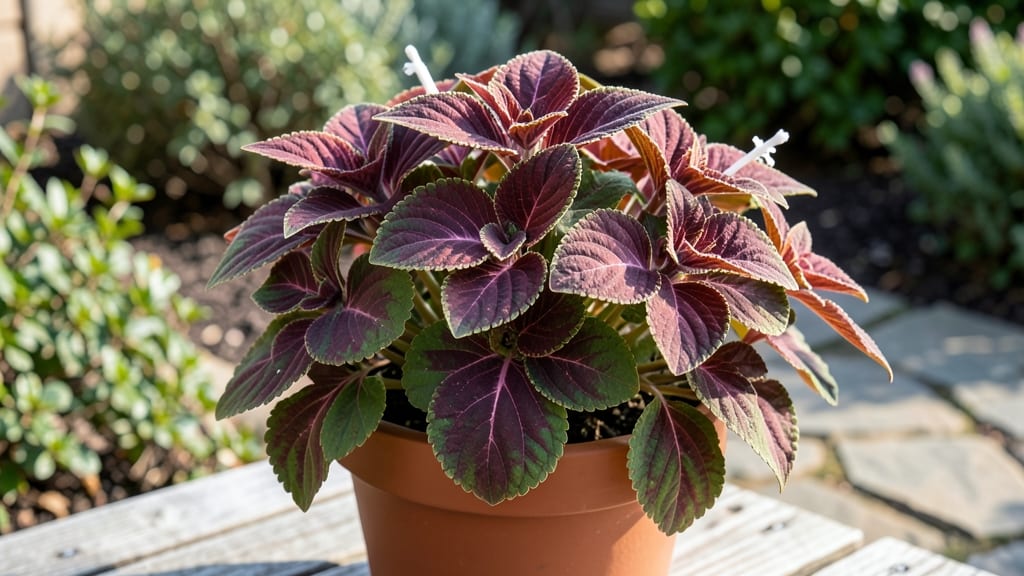
Coleus behaves as a perennial plant only in USDA zones 10-12, where it survives year-round without protection. In colder regions, it dies back annually but can be preserved through indoor overwintering or tuber storage.
Coleus isn't a true perennial in most climates because its tropical origins make it highly sensitive to frost. 🌱 The plant's vibrant foliage thrives in warm conditions but struggles when temperatures drop below 30°F, which is common outside zones 10-12. This is why gardeners in cooler areas often treat it as an annual—it won't survive winter outdoors without intervention. However, with proper care like bringing it inside or storing tubers, you can revive it each spring and enjoy its colorful leaves for multiple seasons.
What sets coleus apart is its ability to regrow from cuttings or tubers, making it easier to maintain than many other tropical plants. Many gardeners in colder climates keep their coleus alive year-round by taking cuttings in late summer and rooting them indoors until spring.
This approach lets you preserve your favorite varieties while still enjoying their beauty season after season.
💡 In This Article
- Understanding Coleus Lifespan in Different USDA Hardiness Zones
- How to Extend Coleus Growth Beyond One Season
Understanding coleus lifespan in different USDA hardiness zones
Coleus (Solenostemon scutellarioides) originates from tropical regions of Southeast Asia, where temperatures rarely drop below 50°F. This genetic heritage explains why it struggles in colder climates—its cellular structure lacks the antifreeze proteins found in true perennials like hostas or coneflowers.
When temperatures fall below 30°F, the plant's leaves blacken and crisp, a process called cold-induced necrosis, triggered by ice crystal formation within plant cells. 🌡️
The USDA's hardiness zone system maps average annual minimum temperatures, and coleus thrives naturally only in zones 10-12, where winter lows stay above 30°F. In zone 9, it may survive mild winters but often requires protection from sudden cold snaps.
Gardeners in zones 5-8 face the harshest reality: without intervention, coleus behaves like an annual, completing its life cycle in one growing season. The key difference lies in the plant's ability to regenerate—where true perennials store energy in roots, coleus lacks this resilience in colder climates.
What makes this fascinating is how coleus adapts to seasonal changes. In its native tropical environment, it grows continuously year-round, but in temperate zones, it enters a state of dormancy-like decline when temperatures drop.
Unlike true perennials that store energy underground, coleus simply stops growing and becomes vulnerable to frost damage. This explains why gardeners in cooler regions must take proactive steps—whether through indoor overwintering or tuber storage—to preserve their plants. 🌿
Scientifically, coleus' cold sensitivity stems from its thin, non-woody stems and broad leaves, which lose moisture rapidly in freezing conditions. True perennials have evolved thicker cuticles and deeper root systems to survive winter desiccation.
Coleus' vibrant foliage is actually a trade-off—its stunning colors come from high anthocyanin content, which makes the leaves more susceptible to cold damage. This is why you'll often see coleus recommended as a tender perennial rather than a true one.
Consider this comparison: A hosta plant in zone 5 might survive winter with just mulch protection, while a coleus in the same zone will die back completely unless moved indoors. The difference lies in their evolutionary adaptations—hostas developed cold-hardy traits over millennia, while coleus retains its tropical characteristics.
This biological distinction explains why gardeners must treat coleus differently from traditional perennials. 🌍
The good news is that coleus' tropical nature also makes it incredibly adaptable when protected. With proper care, you can enjoy its colorful foliage for multiple seasons, even in cold climates. The key is understanding these temperature thresholds and working with the plant's natural limitations rather than against them.
This knowledge transforms coleus from a seasonal plant to a nearly perennial one with minimal effort. ✨