
Flowers
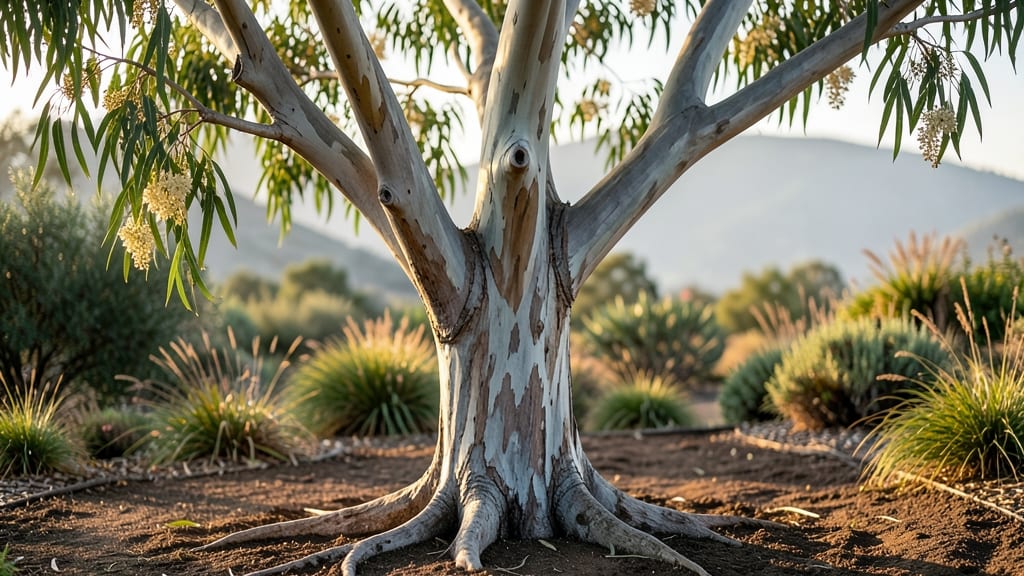
Eucalyptus behaves as a semi-perennial in cold climates—it loses its above-ground growth during frost but survives through its root system in USDA zones 8-11, regrowing each spring.
This unique survival strategy sets eucalyptus apart from true perennials like lavender, which maintain foliage year-round. 🌿 In colder regions outside its native Australia, eucalyptus acts more like a short-lived perennial, needing protection to regenerate properly.
The key lies in its deep root system, which stores energy to fuel regrowth when temperatures rise again.
For gardeners in frost-prone areas, this means choosing cold-hardy varieties like Eucalyptus gunnii or using containers to move plants indoors during winter. Mulching heavily around the base can also help insulate roots and improve survival rates.
💡 In This Article
- Why Eucalyptus Lifespan Varies by Climate Zone
- How to Protect Eucalyptus in Cold Regions
Why eucalyptus lifespan varies by climate zone
Native to Australia's temperate and subtropical regions, eucalyptus trees evolved to thrive in climates where winter temperatures rarely drop below 20°F. Their survival strategy relies on a deep, fibrous root system that stores carbohydrates and moisture—critical for regrowth after seasonal dormancy.
In USDA zones 8-11, this adaptation allows eucalyptus to behave like a true perennial, losing leaves but keeping its root crown alive through mild winters. 🌱
The key difference from temperate perennials like lavender or hostas lies in their cold tolerance. Most eucalyptus species can't survive prolonged exposure to 10°F or below, which is why they die back completely in frost.
Their root systems, however, remain dormant but viable—similar to how peonies or daylilies survive winter in colder zones. The regrowth process begins when soil temperatures rise above 50°F, triggering stored energy in the roots to sprout new shoots.
This semi-perennial behavior creates a striking visual contrast: what appears to be a dead plant in winter can burst back to life with vibrant new growth by spring.
The timing of regrowth depends on species—some like Eucalyptus globulus may take 4-6 weeks to recover, while hardier varieties like Eucalyptus gunnii can regenerate in just 2-3 weeks when conditions are favorable. 🌿
What makes eucalyptus unique is its growth rate after dormancy. Unlike slow-growing perennials, eucalyptus can shoot up 12-24 inches in a single growing season, compensating for the winter dieback.
This rapid regrowth is possible because the root system maintains its metabolic activity even during cold periods, unlike many temperate plants that completely shut down.
The botanical term for this survival mechanism is "cold dormancy"—a state where the plant conserves energy while remaining physiologically active. This explains why eucalyptus can survive multiple freeze-thaw cycles in marginal zones (like USDA zone 7b) but typically fails in harsher winters.
The root crown's ability to regenerate depends on two factors: soil moisture levels and the depth of frost penetration. 💧
For comparison, consider how hostas handle winter: they maintain underground rhizomes that store energy, but their above-ground foliage dies completely. Eucalyptus takes this concept further by prioritizing root survival over foliage preservation, making it more resilient in areas with brief but intense cold snaps.
This adaptation explains why some gardeners in zone 7 successfully grow eucalyptus in containers—they can move plants to protected locations before frost.