
Flowers
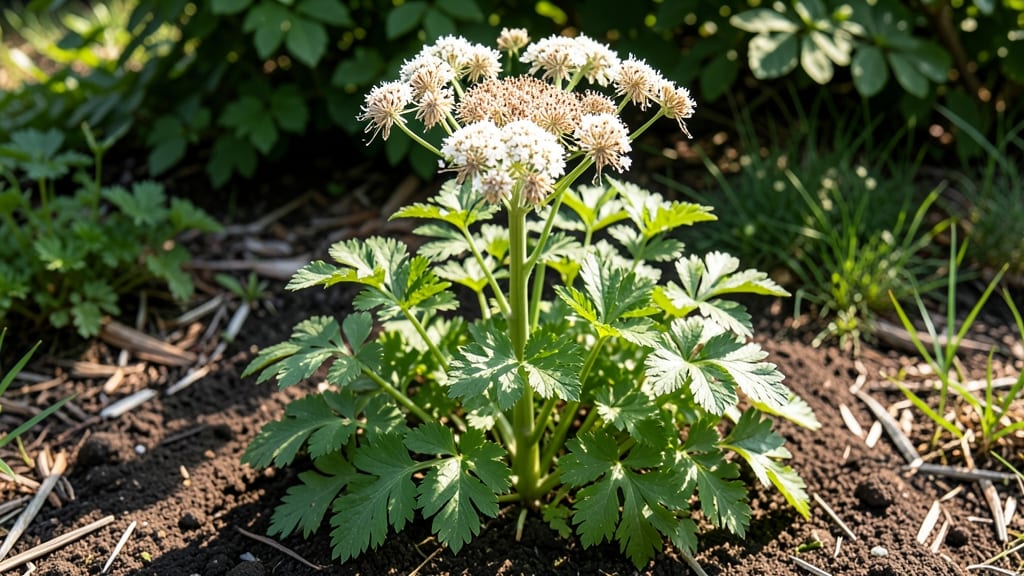
Cilantro is an annual herb that completes its life cycle in one growing season, dying back after producing seeds, though its self-seeding nature often creates the illusion of perennial behavior in mild climates.
Cilantro's classification as an annual means it thrives for one full growing season before flowering, seeding, and dying back—typically within 60-90 days from germination. 🌱 What makes it seem perennial is its ability to self-sow aggressively, with new plants sprouting from dropped seeds in favorable conditions.
This cycle repeats naturally in warm climates like California or Florida, where winter temperatures rarely drop below 20°F. The key difference? True perennials regrow from the same root system each year, while cilantro relies on fresh seedlings.
Understanding this cycle helps gardeners plan better. For instance, if you're growing cilantro in USDA Zone 7 or warmer, you might see it return year after year without replanting. However, in colder regions, cilantro needs to be treated as an annual and replanted each spring.
The secret to extending harvests lies in timing—plant successive batches every 3-4 weeks to ensure a continuous supply of fresh leaves.
💡 In This Article
- Cilantro’s Annual Life Cycle Explained
- How to Extend Cilantro’s Harvest Season
Cilantro’s annual life cycle explained
Cilantro (Coriandrum sativum) follows a classic annual life cycle, meaning it germinates, grows, flowers, produces seeds, and dies within a single growing season—typically 60-90 days from planting. The process begins with germination, where seeds sprout rapidly in cool soil (ideal temperatures are 50-75°F).
During the vegetative stage, cilantro develops its familiar rosette of fern-like leaves, which are rich in essential oils like linalool, giving it that distinctive citrusy aroma.
The critical shift occurs when day length and temperature trigger bolting—the plant’s transition to flowering. This happens more quickly in hot conditions (above 75°F), causing cilantro to send up a tall flower stalk and produce seeds within 2-4 weeks.
Once seeds mature, the plant’s energy shifts entirely to reproduction, and the leaves become bitter and inedible. The entire plant then dies back, completing its annual cycle. 🌱
Here’s where the confusion arises: cilantro’s self-seeding habit makes it appear perennial. When seeds drop to the soil, they often germinate again in the same spot if conditions are favorable. This creates the illusion of a plant that returns year after year, but it’s actually a new generation of annuals.
In regions like Southern California or Florida, where winters are mild, this cycle can repeat continuously, masking cilantro’s true annual nature.
Botanically, cilantro’s behavior contrasts with true perennials like mint or oregano, which regrow from the same root system annually. Cilantro lacks this persistent root structure—its survival depends entirely on seed production and germination.
This is why gardeners in colder climates (USDA Zones 4-6) must replant cilantro every spring, while those in warmer zones can enjoy its "perennial" persistence through self-seeding.
One fascinating detail is how cilantro’s life cycle adapts to its environment. In cooler climates, cilantro may take longer to bolt, extending its leaf production phase.
For example, in Zone 5, cilantro might produce edible leaves for 75-100 days before flowering, compared to just 45-60 days in Zone 9. This adaptability is why cilantro thrives in diverse regions, from Mediterranean gardens to home containers in urban areas.
The takeaway? Cilantro’s annual classification isn’t a limitation—it’s a survival strategy. Its rapid life cycle ensures it can quickly reproduce and spread, while its self-seeding habit turns it into a low-maintenance "perennial" in the right conditions.
For gardeners, this means planning ahead: either embrace its self-seeding nature or use succession planting to keep fresh leaves on your table year-round. 💫