
Flowers
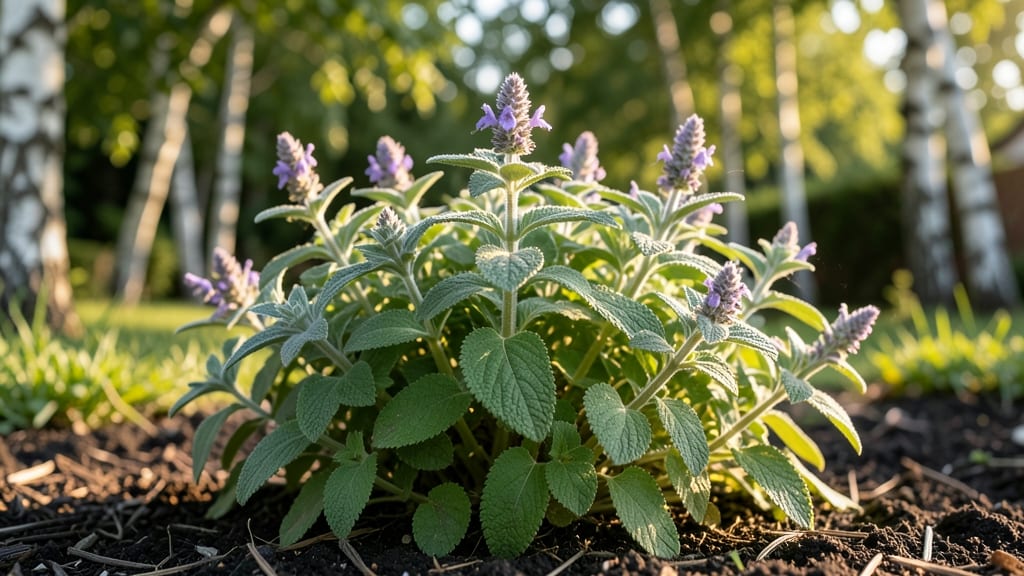
Catnip is a perennial in most temperate climates, returning each spring from its hardy root system even after dying back to the ground in winter, though its seasonal dormancy often leads gardeners to confuse it with annuals.
Catnip's survival strategy lies in its deep, fibrous root system that stores energy through winter dormancy. 🌱 Unlike true annuals that complete their entire lifecycle in one season, catnip simply goes dormant when temperatures drop, then bursts back to life with warm spring soil.
This behavior mirrors other herbaceous perennials like mint or comfrey, which also retreat underground but reliably return year after year.
The key difference becomes obvious in spring when you spot fresh green shoots emerging from what looked like dead foliage the previous autumn. Many gardeners pull it assuming it's dead, only to find new growth weeks later.
In colder zones (below zone 5), providing a thick layer of mulch can give catnip's roots extra protection during harsh winters, ensuring it comes back even stronger.
💡 In This Article
- Why Catnip Dies Back but Returns: Root System Secrets
- Growing Catnip as a Perennial: Year-Round Care Tips
Why catnip dies back but returns: root system secrets
Catnip's survival strategy hinges on its deep, woody taproot system that extends 12-18 inches below the soil surface. This root structure stores carbohydrates during summer growth, converting them into energy reserves through photosynthesis.
When temperatures drop below 40°F, the plant enters dormancy, shedding its above-ground foliage to conserve moisture and energy—this is what creates the annual-like appearance. The roots remain alive, maintaining cellular activity at just 2-5% of summer levels through winter.
The key difference from true annuals lies in this root system's ability to regenerate. Annuals like basil or marigolds complete their entire lifecycle in one season, producing seeds before dying completely.
Catnip's roots, however, contain meristematic cells—undifferentiated cells that can quickly differentiate into new stems and leaves when conditions improve. This process begins as soon as soil temperatures reach 50°F in spring, with new shoots often appearing within 2-3 weeks of dormancy breaking.
This behavior mirrors other herbaceous perennials like mint and comfrey, which also die back annually but regrow from persistent roots. The visual similarity to annuals stems from catnip's complete above-ground dieback—unlike shrubs that retain some foliage, catnip's stems turn brown and crispy, making it appear dead.
However, the root system remains metabolically active, ready to burst into growth when conditions are favorable. This adaptation gives catnip a competitive edge in temperate climates where winters are too harsh for true annuals.
What makes catnip particularly resilient is its ability to re-sprout from multiple points along the root system, not just the crown. Even if gardeners accidentally cut back the plant in autumn, believing it dead, new growth can emerge from lateral roots.
This multi-point regeneration explains why catnip often appears in multiple clumps rather than single stems, creating the lush, bushy appearance gardeners love. The plant's ability to reallocate stored nutrients from old roots to new growth ensures it can recover even from significant damage.
Scientifically, this dormancy strategy is called deciduous perennialism, where the plant sheds its aerial parts annually but maintains living underground structures. Catnip's roots contain high concentrations of inulin (a fructose polymer), which serves as an energy reserve during dormancy—similar to how potatoes store starch in their tubers.
This carbohydrate reserve allows catnip to grow up to 3 feet tall in a single season, making it one of the fastest-growing herbs in its family.
For gardeners, this means catnip's apparent death in winter is merely a survival tactic. The plant isn't dying—it's conserving resources for next year's growth.
This adaptation explains why catnip can thrive in USDA zones 3-9, from cold northern climates to warm southern regions, making it one of the most adaptable herbs for home gardens.
The confusion with annuals stems from this dramatic seasonal transformation, but the root system's persistence reveals catnip's true perennial nature. 🌱