
Flowers
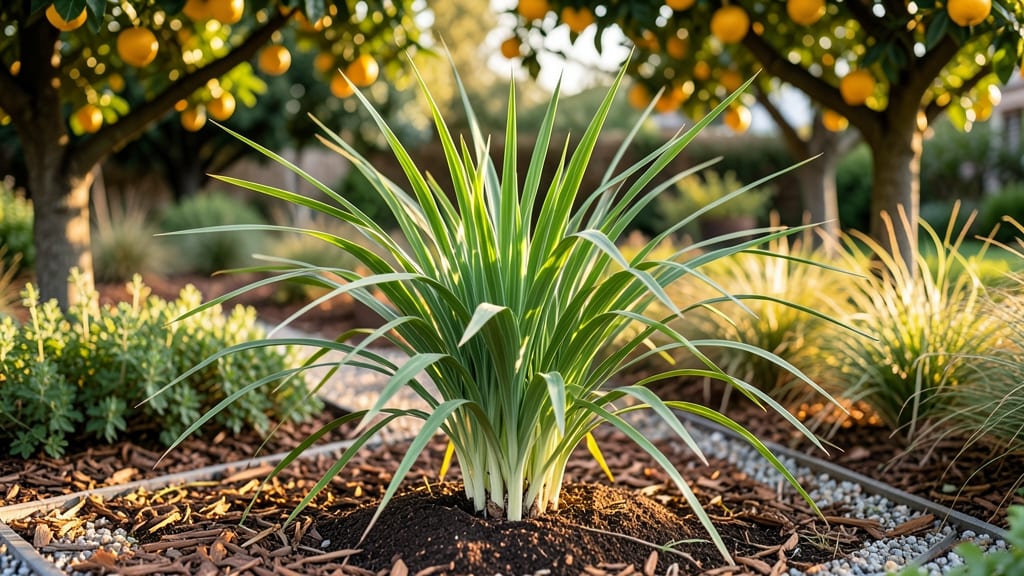
Whether lemongrass is annual or perennial depends entirely on your climate: it thrives as a true perennial in warm, tropical zones but dies back to the ground each winter in cooler regions, regrowing from its hardy rhizomes when temperatures rise above freezing.
This behavior stems from lemongrass's tropical origins—it evolved in regions where frost never touches the soil, so its survival strategy relies on storing energy underground. 🌱 The rhizome system acts like a living battery, storing enough nutrients to fuel a fresh shoot once spring arrives.
In USDA zones 8-10, you'll get continuous harvests year-round, while gardeners in colder zones must treat it as a seasonal plant that returns reliably each spring if protected properly.
What makes this fascinating is how similar lemongrass is to other tropical perennials like ginger or galangal, yet its cold sensitivity sets it apart from hardy perennials like mint.
The key difference lies in its rhizome depth—shallow rhizomes freeze in ground frost, while deeper roots in true perennials survive intact. This explains why some gardeners swear by overwintering potted lemongrass indoors while others simply replant from cuttings each spring.
💡 In This Article
- Lemongrass Growth Cycle: Why It Dies Back in Cold Climates
- How to Overwinter Lemongrass for Year-Round Harvests
Lemongrass growth cycle: why it dies back in cold climates
The core reason lemongrass appears to "die" each winter lies in its rhizome-based survival system. Unlike true perennials that store energy in deep roots (like mint or asparagus), lemongrass concentrates its energy in shallow, fibrous rhizomes just 2-4 inches below soil.
These rhizomes contain concentrated starches—up to 30% of their dry weight—that serve as emergency fuel for regrowth. When temperatures drop below 28°F, these rhizomes become vulnerable to frost damage, triggering the plant's annual dormancy cycle.
This tropical adaptation explains why lemongrass thrives as a true perennial only in USDA zones 8-10, where soil rarely freezes. In cooler zones, the plant's above-ground stems yellow and collapse, but the rhizomes remain dormant until soil temperatures reach 55°F in spring.
The regrowth process begins when rhizomes detect moisture and warmth, sending up new shoots within 2-4 weeks. This behavior mirrors other tropical perennials like ginger, which also dies back annually in cold climates but regrows from rhizomes.
What sets lemongrass apart from hardy perennials is its temperature sensitivity threshold. While mint can survive -20°F winters, lemongrass rhizomes begin dying at just 25°F exposure. The plant's native habitat in Southeast Asia (where annual temperatures average 75-85°F) explains this fragility—it evolved without ever experiencing frost.
This is why gardeners in zone 7 or colder must treat lemongrass as an annual unless they take protective measures.
The rhizome system's shallow depth creates another critical vulnerability. Unlike deep-rooted perennials, lemongrass rhizomes have minimal insulation from ground frost. A 3-inch snow cover can protect them in mild winters, but direct ground contact with 20°F temperatures for more than 48 hours will kill the rhizomes.
This explains why mulching with 6-8 inches of straw or leaves becomes essential in marginal climates—it creates an insulating air pocket that maintains rhizome temperatures above the critical 30°F threshold.
For visual comparison, imagine a 5-foot-tall lemongrass plant in summer reducing to just a few inches of buried rhizomes in winter. The above-ground growth disappears completely, but the rhizomes remain alive underground, ready to spring back when conditions improve.
This dramatic cycle makes lemongrass appear annual in cold climates, even though it maintains perennial characteristics in its native tropical environment.
Understanding this mechanism helps explain why some gardeners report "lemongrass coming back every year" while others need to replant annually. The difference comes down to microclimate protection—whether the rhizomes survived the winter frost or not.
In ideal conditions (protected beds, mulch), the plant behaves like a true perennial, while in exposed locations, it acts more like an annual.