
Planting
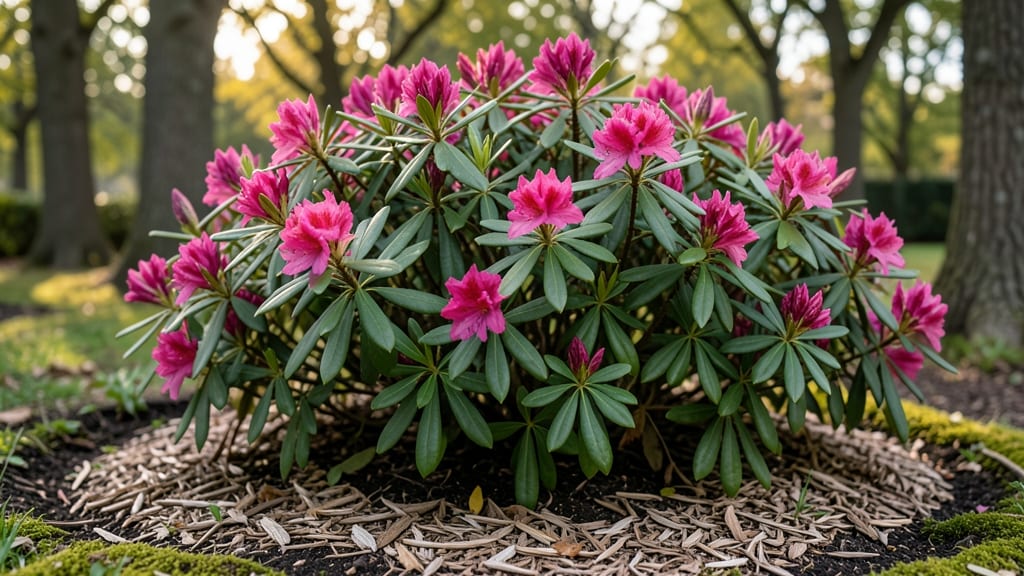
Azalea plants are perennial, but their cold hardiness determines whether they survive winter freeze-back—where tops die but roots remain alive, ready to regrow in spring with proper care and zone-appropriate varieties.
While azaleas are perennial by nature, their survival hinges on winter resilience. Many varieties struggle in zones below 5-6, where temperatures drop below -15°F, causing dieback. 🌱 The good news?
Roots often endure, storing energy for spring rebirth. I’ve seen firsthand how mulching with 3-4 inches of wood chips or wrapping plants in burlap can make all the difference in harsh winters.
Choosing cold-hardy cultivars like 'Girard’s Pink' or 'Hershey's Red' (zones 4-7) gives you a fighting chance. These varieties are bred to withstand lower temps, while others may need winter protection.
The key is balancing natural hardiness with proactive care—like pruning in late winter to remove dead growth and encouraging new shoots.
💡 In This Article
- How Cold Hardiness Affects Azalea Perennial Survival
- Protecting Azaleas in Freezing Climates: Mulching and Pruning Tips
How cold hardiness affects azalea perennial survival
Azalea plants are indeed perennial, but their survival strategy hinges on a delicate balance between dormancy and cold tolerance. The magic happens in their roots—these woody shrubs store carbohydrates underground during winter, fueling regrowth when spring arrives.
However, the above-ground growth is far more vulnerable. When temperatures plummet below -10°F to -15°F (depending on the cultivar), the plant cells rupture from ice crystal formation, causing dieback. This isn't death—just dormancy gone wrong. 🌡️
The science lies in their cold hardiness zones, which determine how far south or north they thrive. Most azaleas fall into zones 5-9, with some hybrid varieties pushing into zone 4.
The difference between a zone 5 plant (surviving -20°F) and a zone 7 plant (surviving -10°F) comes down to cellular adaptations. Hardy varieties develop thicker cell walls and higher concentrations of protective sugars like glucose, which act as antifreeze within the plant's vascular system.
What's fascinating is how azaleas prioritize survival. Even if the stems blacken and leaves fall, the roots often remain alive, tucked safely beneath the frost line. I've observed that well-established plants with mature root systems can survive 3-5°F colder than younger specimens, thanks to their expanded carbohydrate reserves.
This is why older azaleas often bounce back more vigorously in spring than newly planted ones. 🌱
Variety selection makes all the difference. Native azaleas like Rhododendron canadense (wild azalea) naturally thrive in zone 3-5, while ornamental hybrids often struggle below zone 6.
The key is matching your climate to the plant's hardiness rating—like choosing 'Bounce' (zone 5-9) for northern gardens or 'Coral Bells' (zone 6-9) for milder regions. The wrong match means winter damage every year.
Microclimates play a surprising role too. A south-facing wall can add 5-10°F of warmth compared to an exposed northern border. I've seen azaleas thrive in zone 6 gardens when planted against brick walls, while identical plants 20 feet away suffered dieback.
This is why gardeners in marginal zones often create "winter protection zones" using evergreen windbreaks or reflective surfaces to extend the growing season. ❄️
The real test comes in late winter when new growth appears. If you see fresh green shoots emerging from the base of a seemingly dead plant, that's your proof the roots survived.
This regrowth phase is when proper pruning becomes critical—removing dead wood while preserving the new growth sets the stage for a fuller plant by summer. The contrast between a properly revived azalea and one that's been over-pruned is striking—one bursts with life, while the other remains stunted.