
Plants
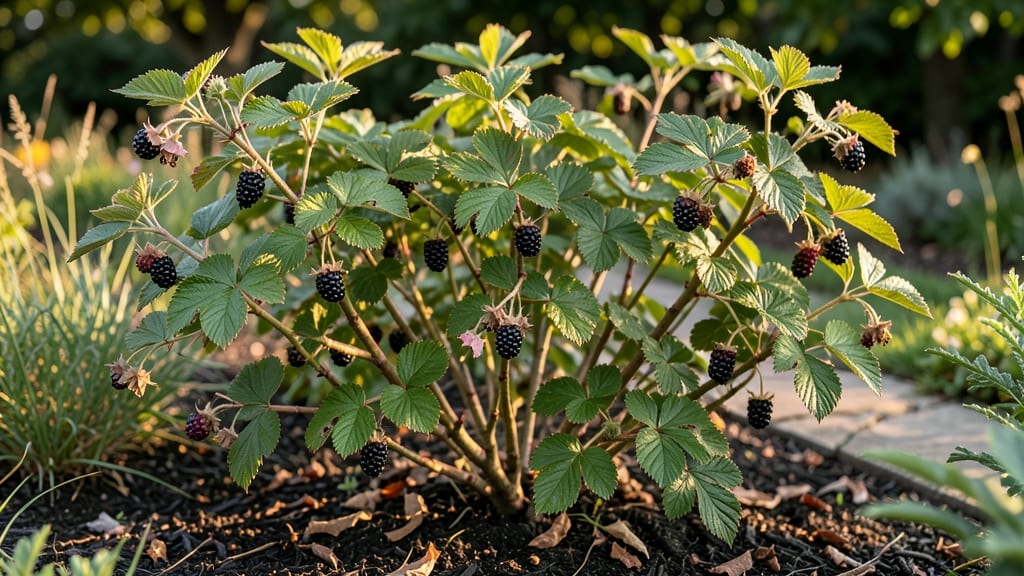
Blackberry bushes are perennial plants that die back to the ground each winter but regrow from their roots every spring, ensuring year-round survival in temperate climates with proper care.
Blackberry bushes might look dead in winter, but their roots stay alive underground, storing energy for spring regrowth. 🌱 This hardy survival strategy lets them thrive for decades with the right care—think of it as nature's built-in reset button.
The key difference from annuals is their persistent root system, which keeps them coming back stronger each year, especially when you protect them from harsh winters with mulch or row covers.
What many gardeners don't realize is that this dieback cycle actually improves fruit production. When you prune properly in late winter, you're encouraging new, vigorous canes to form, which produce the season's best berries.
The perennial nature means you'll get years of harvests with minimal replanting—once established, these bushes can live for 15+ years if given consistent care.
💡 In This Article
- How Blackberry Bushes Survive Winter Dieback
- Year-Round Care Tips for Perennial Blackberry Bushes
How blackberry bushes survive winter dieback
The secret to blackberry bushes thriving year after year lies in their specialized root system. Unlike annuals that die completely, these plants store carbohydrates in their thick, woody roots during summer and fall.
When temperatures drop below 20°F, the above-ground canes enter dormancy, shutting down photosynthesis but keeping the roots alive. This stored energy acts like a natural battery, fueling regrowth when temperatures rise in spring. 🌱
Cold hardiness varies dramatically between varieties—some, like 'Chester' or 'Triple Crown,' can tolerate down to -15°F, while others like 'Natchez' struggle below 10°F.
The key difference is in their root depth: hardier varieties develop roots that extend 3-4 feet deep, accessing water and nutrients even when surface soil freezes. This deep root system also helps them recover faster from winter damage than shallow-rooted plants.
What happens biologically is fascinating: the plant's cambium layer (growth tissue) remains active in the roots, producing new cells that will form next year's canes. When you see those first green shoots in spring, they're emerging from buds that formed on last year's roots during summer.
This process explains why proper winter care—like mulching with 4-6 inches of straw—can mean the difference between a bush that returns strong versus one that struggles.
One common misconception is that blackberries "die" in winter. In reality, they're just in a deep sleep, conserving energy. The leaves and canes you see in winter are actually dead tissue, while the living parts remain safely underground.
This dormancy period helps the plant avoid frost damage to new growth and prepares it for the growing season ahead. 🌿
Temperature plays a crucial role in breaking dormancy. Most varieties need 500-700 hours of temperatures below 45°F to trigger regrowth. Without this chilling period, the bushes may produce weak canes or even fail to fruit.
That's why gardeners in warmer climates sometimes need to simulate winter conditions or choose varieties bred for milder winters.
Consider this comparison: while annuals like tomatoes complete their entire life cycle in one season, blackberries have a built-in survival mechanism. Their root systems can live for decades, with each year's growth building on the previous year's foundation.
This persistence is what makes them true perennials—capable of returning year after year with proper care and the right growing conditions.
The science behind this resilience involves complex hormonal changes. As days shorten in fall, the plant increases production of abscisic acid, which signals dormancy. Simultaneously, it converts sugars to starches in the roots, creating an energy reserve.
When spring arrives, gibberellins take over, stimulating cell division and new growth. This hormonal dance is what allows blackberries to bounce back so reliably each season. 🌟