
Flowers
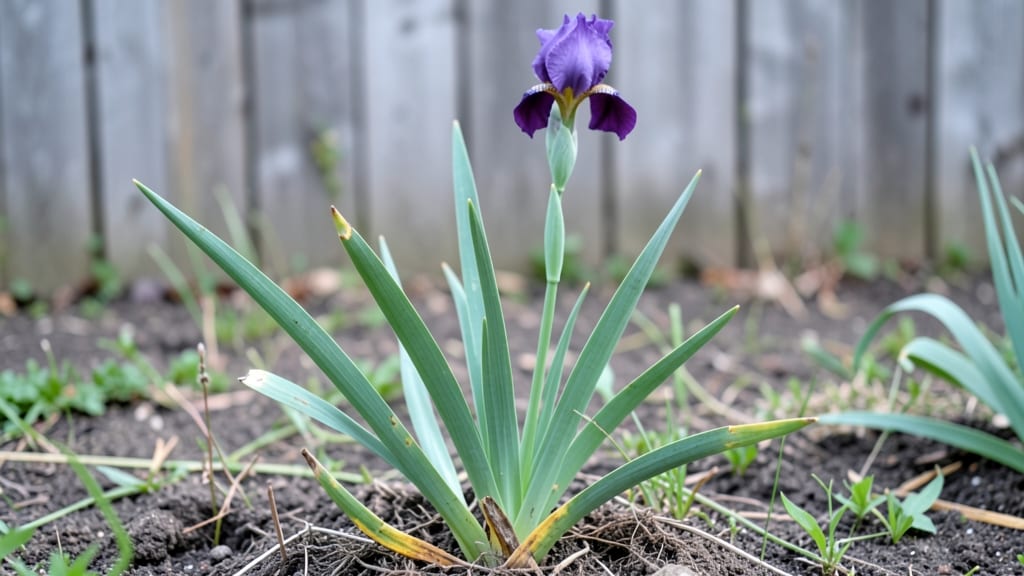
Determining whether iris plants are annual or perennial depends on the variety: most are hardy perennials that regrow each season with proper care, while tropical varieties act as annuals in colder climates due to frost sensitivity. Bearded and Siberian irises can live for decades when planted in well-drained soil with full sunlight.
Most iris varieties earn their perennial reputation thanks to their thick, fleshy rhizomes that store nutrients during dormancy. 🌱 These underground stems let them survive winter's chill and bounce back stronger each spring, provided they're planted in zones 3-9.
Tropical irises, however, lack this cold tolerance—when frost hits, their delicate systems fail to regenerate, forcing gardeners to replant them annually. The key difference lies in their root structure and hardiness zones, with Siberian irises often outlasting their bearded cousins by 10+ years when given ideal conditions.
For those wondering about specific varieties, Siberian irises top the longevity charts with lifespans exceeding 20 years when given proper care, while Louisiana irises typically thrive for 10-15 years in moist, acidic soils.
Japanese irises, though shorter-lived (5-10 years), reward gardeners with striking blooms that return reliably in cooler climates. The secret to maximizing their lifespan? Well-drained soil and full sunlight—both critical for preventing rhizome rot and encouraging robust regrowth each season.
💡 In This Article
- Why Most Iris Varieties Are Perennial Flowers
- Top Perennial Iris Types and Their Lifespans
Why most iris varieties are perennial flowers
The perennial nature of most iris varieties stems from their specialized rhizome structure—thick, horizontal underground stems that act as nutrient storage organs. These rhizomes contain starch reserves that fuel regrowth each spring, much like how a potato's eyes sprout new plants.
The key difference from true annuals (which complete their lifecycle in one season) is that iris rhizomes remain dormant but viable through winter, ready to burst with new shoots when temperatures rise above 50°F. 🌱 This survival mechanism allows them to persist for years or even decades in optimal conditions.
Dormancy cycles play a critical role in their longevity. During winter months, iris rhizomes enter a state of reduced metabolic activity, conserving energy while avoiding frost damage. Siberian irises, for example, can tolerate temperatures down to -30°F thanks to their thick rhizomes and waxy leaf coatings that prevent moisture loss.
In contrast, tropical iris varieties lack these adaptations—when exposed to freezing temperatures, their delicate systems fail to regenerate, forcing gardeners to treat them as annuals in colder climates. The hardiness zone map becomes your best friend here, with most perennial irises thriving in zones 3-9.
Growth habits vary significantly between types. Bearded irises develop thick, fleshy rhizomes that spread horizontally just below the soil surface, while bulbous irises (like Dutch irises) rely on underground bulbs that multiply annually.
The rhizome type determines both cold hardiness and maintenance needs—bearded irises require division every 3-5 years to prevent overcrowding, while Siberian irises can go decades without disturbance. This structural difference explains why some varieties outlive others by 10+ years when given identical care.
Climate interactions create fascinating exceptions. In regions with hot, dry summers, iris rhizomes may enter summer dormancy—halting growth until fall rains return. This adaptation explains why some gardeners in Mediterranean climates report longer lifespans for their irises compared to humid regions where fungal diseases threaten rhizome health.
The well-drained soil requirement isn't just about moisture—it's about preventing anaerobic conditions that would suffocate the rhizomes during their dormant periods. 💧
What most gardeners don't realize is how soil pH affects longevity. Siberian irises prefer slightly acidic soils (6.0-6.5 pH) while bearded irises tolerate neutral to alkaline conditions.
This pH sensitivity explains why some irises thrive for decades in one garden while struggling in another just a few miles away. The rhizome's ability to adjust its nutrient absorption based on soil conditions directly impacts its ability to store reserves for the next growing season.
Consider this comparison: A well-cared-for Siberian iris might produce 50-100 flowers annually for 20+ years, while a neglected bearded iris could decline after just 5-7 years due to crowded rhizomes.
The difference lies in understanding each variety's specific needs—whether it's the 3-inch depth required for planting rhizomes or the 6-8 hours of daily sunlight needed for optimal photosynthesis. These details separate the irises that become garden staples from those that fade away after a single season. ✨