
How To
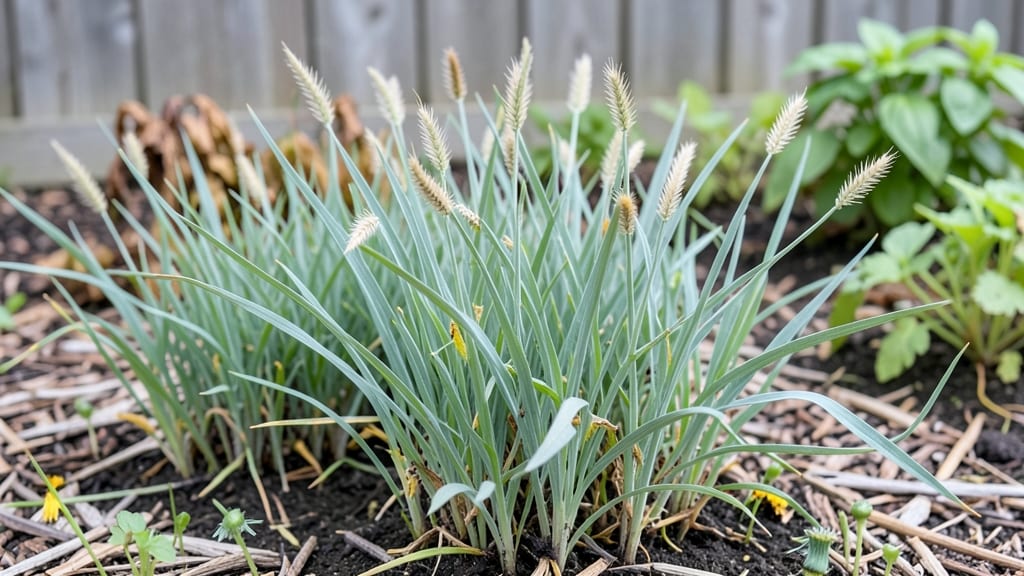
Perennial ryegrass grows between 6 and 24 inches tall on average, though some fast-growing varieties can stretch up to 36 inches in optimal conditions with proper care.
This grass thrives in diverse climates, but its height depends heavily on variety and growing conditions. For example, 'Manhattan' stays compact at 6-12 inches, while 'Baron' can reach 24-36 inches in ideal settings.
The right soil pH and consistent moisture help maximize its potential height, especially in cooler northern climates where it grows more vigorously. 🌱
What's interesting is how quickly it responds to environmental factors—too much heat or drought can stunt growth, while rich, well-drained soil encourages taller, denser blades. If you're planting for a specific height, choosing the right cultivar and maintaining proper growing conditions makes all the difference.
💡 In This Article
- Perennial Ryegrass Height Variations by Cultivar
- Climate and Soil Factors Affecting Ryegrass Growth
Perennial ryegrass height variations by cultivar
The height of perennial ryegrass isn't random—it's directly tied to its genetic makeup. Cultivars like 'Manhattan' stay compact at 6-12 inches, making them ideal for low-maintenance lawns or golf course roughs.
These dwarf varieties have been selectively bred to maximize density over height, with shorter stems that resist lodging (falling over) even in heavy foot traffic. The key genetic trait here is internode length, which determines how much space grows between leaf nodes on the stem.
On the opposite end, 'Baron' and 'Penncross' can reach 24-36 inches when given ideal conditions. These taller cultivars have longer internodes and more aggressive growth habits, designed for rapid establishment in cooler climates (USDA zones 3-7).
What's fascinating is how their growth patterns differ: 'Baron' grows more upright with 18-24 inch blades, while 'Penncross' develops a 24-36 inch spread with a more horizontal growth habit. This genetic variation means you can choose between a tight, golf-ready turf or a lush, meadow-like appearance.
Here's what's actually happening at the cellular level: taller varieties produce more gibberellins (plant hormones) that stimulate stem elongation. These cultivars also have a higher leaf-to-stem ratio when young, which creates the illusion of greater height during establishment.
The trade-off? Taller types require more nitrogen fertilization to maintain their vigor, while dwarf varieties thrive on lower nitrogen inputs while staying compact. 💫
For practical purposes, this means your choice of cultivar directly impacts maintenance needs. 'Manhattan' requires less mowing (every 7-10 days at 2-2.5 inches height) compared to 'Baron', which may need mowing every 5-7 days at 3-4 inches to prevent thatch buildup.
The height difference also affects drought tolerance—taller varieties transpire more water, making them less drought-resistant than their shorter counterparts.
What most people don't realize is how light penetration affects these height differences. Taller cultivars like 'Baron' develop a denser canopy that shades out weeds more effectively, but this same density can create microclimates where lower leaves receive insufficient light to photosynthesize properly.
This is why these varieties often need vertical mowing or dethatching every 2-3 years to maintain their height potential.
Consider these key factors when selecting: mowing frequency, shade tolerance, and climate adaptation. For example, 'Penncross' handles partial shade better than 'Manhattan' due to its taller growth habit that allows light to reach lower leaves.
In full sun, however, the height difference becomes less critical as all varieties grow more vigorously. 🌱