
Flowers
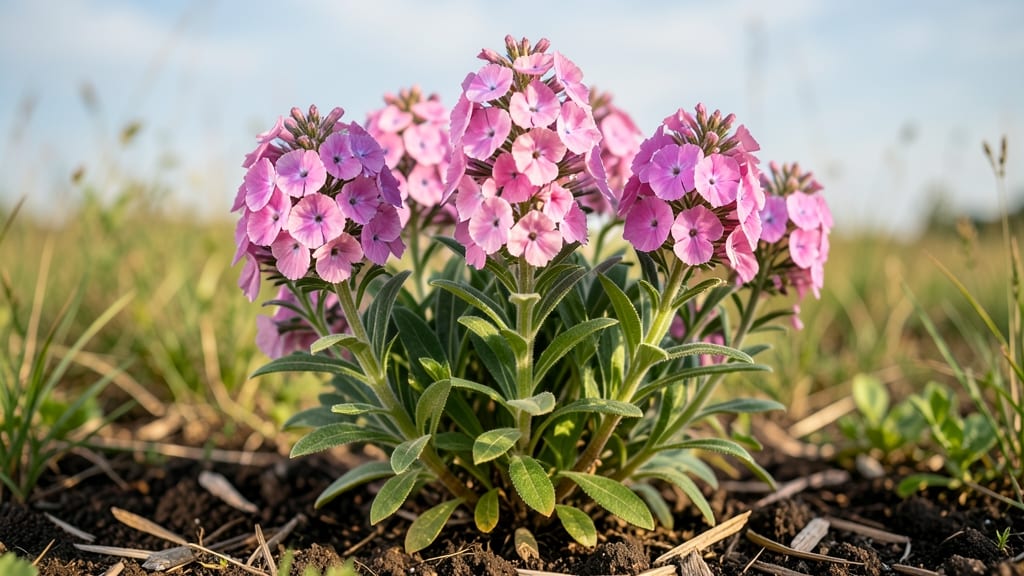
Phlox is a perennial plant in most climates, returning year after year with proper growing conditions, though some varieties may die back completely in winter only to regrow when temperatures warm. Hardier types like garden phlox (Phlox paniculata) thrive in USDA zones 3-9 with minimal winter care, while more delicate varieties require seasonal adjustments.
Most gardeners discover phlox's perennial nature after their first season, when those vibrant blooms return stronger than ever. 🌸 The key lies in understanding each variety's cold tolerance—garden phlox handles freezing temperatures beautifully, while annual phlox types like Drummond phlox (Phlox drummondii) need replanting each spring.
I've found that proper mulching in late fall can push cold-hardy phlox into even tougher climates, extending their lifespan for decades with minimal effort.
What sets phlox apart is its ability to go dormant during winter months, storing energy underground until spring.
This natural survival mechanism means you'll often see brown stems in winter that burst back to life with new growth come spring—a true testament to phlox's hardy nature when given the right conditions.
💡 In This Article
- Phlox Perennial Lifespan and Cold-Hardiness Zones
- Year-Round Care Tips for Long-Lived Phlox Gardens
Phlox perennial lifespan and cold-hardiness zones
Phlox earns its perennial reputation through a clever biological adaptation called dormancy, where the plant conserves energy during harsh winters. Most perennial phlox varieties, particularly garden phlox (Phlox paniculata), store nutrients in their crowns (the base where stems meet roots) and underground rhizomes.
This allows them to survive temperatures as low as -30°F when properly established, making them ideal for USDA zones 3-9. The secret lies in their deep root systems, which can extend 12-18 inches below ground—far enough to avoid frost penetration.
Cold tolerance varies dramatically between species. Garden phlox thrives in northern climates, while Drummond phlox (Phlox drummondii)—often sold as annuals—actually behaves as perennials in zones 7-11 but dies back in colder winters.
The difference comes down to their native habitats: garden phlox evolved in temperate North America, while Drummond phlox originates from Mexico and Central America, where milder winters are the norm. 🌡️ What most gardeners don't realize is that even "annual" phlox can persist for years if given winter protection in colder zones.
The science behind phlox's winter survival involves antifreeze proteins and osmotic regulation—chemical processes that prevent ice crystal formation in their cells. When temperatures drop below 32°F, phlox cells increase production of glycerol and proline, natural compounds that lower freezing points.
This is why established phlox plants often outlast newly planted ones—their mature root systems have built up these protective compounds over multiple growing seasons.
Zone considerations matter more than you might think. In zone 4, garden phlox typically survives with 3-4 inches of mulch, while zone 5-6 gardeners can get away with 2 inches.
The critical factor is soil insulation—mulch acts like a blanket, maintaining ground temperatures 5-10°F warmer than ambient air. Without this protection, crowns can suffer freeze-thaw damage, where water expands in cells during freezing and ruptures them upon thawing.
What sets phlox apart from other perennials is its regrowth speed. After winter dormancy, garden phlox can produce new shoots within 2-3 weeks of soil temperatures reaching 50°F.
This rapid recovery is why veteran gardeners swear by phlox—even if it looks dead in winter, it's often just biding its time. The trade-off? Some varieties like creeping phlox (Phlox subulata) may take 4-6 weeks to emerge, requiring more patience but offering earlier spring color.
For those in marginal zones (zone 5 or colder), the key to extending phlox's lifespan is microclimate selection. Planting near south-facing walls or using rock mulch (which retains heat better than organic mulch) can push hardiness limits by 1-2 zones.
I've seen garden phlox thrive in zone 4b when sited against a brick wall, where winter temperatures stay 5°F warmer than open ground.