
Shrubs
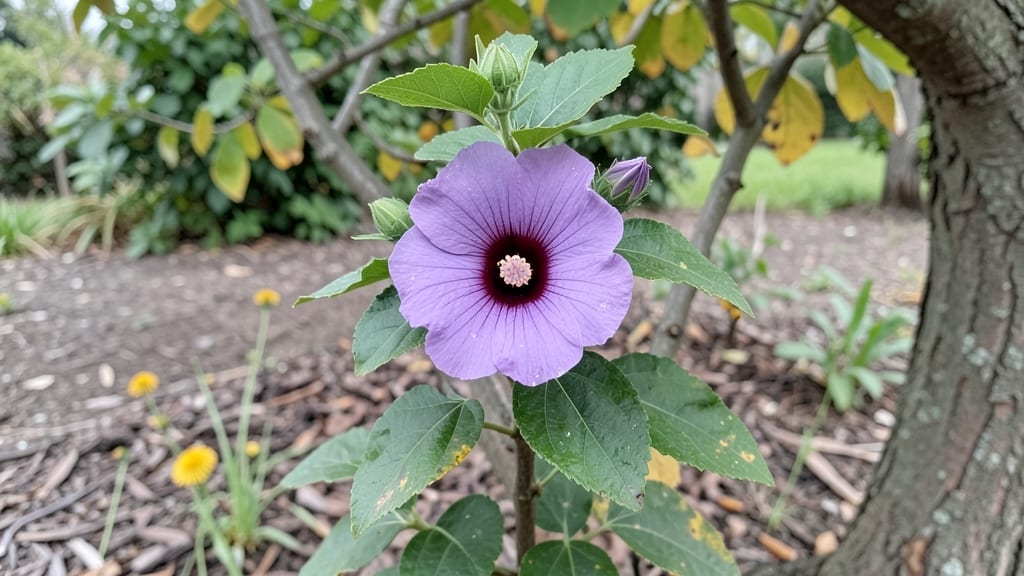
Growing a hibiscus perennial shrub 🌸 means you can enjoy bold blooms year after year—even when winter rolls in.
Cold winters don’t have to mean goodbye to stunning hibiscus blooms—discover the hardiest perennial varieties that thrive year after year, even in chilly climates.
With the right cold-hardy variety, you can skip the annual replanting and enjoy vibrant flowers from spring to fall without the fuss. These shrubs are built to handle Zone 6a winters and beyond, so long as you give them the right care.
Here’s how to choose the toughest hibiscus for your garden, plus the essential steps to keep them blooming beautifully through every season.
Top 5 cold-hardy perennial hibiscus varieties for Zone 5 and below
If you love hibiscus blooms but live in Zone 5 or colder, don’t assume these tropical beauties are off-limits. Some perennial hibiscus varieties are surprisingly resilient, surviving sub-zero temperatures with minimal winter protection.
The key is choosing the right species—like Hibiscus moscheutos or Hibiscus syriacus—that evolved to handle frost. These hardy shrubs reward you with large, showy flowers from mid-summer to fall, making them a garden standout even in chilly climates.
Before selecting a variety, focus on cold hardiness, mature size, and bloom season length. Some varieties, like Hibiscus syriacus, thrive in Zone 4 with proper care, while others, such as Hibiscus coccineus, push their limits in Zone 5.
Below, I’ve rounded up the top 5 cold-hardy perennial hibiscus varieties that will keep your garden vibrant year after year, even when temperatures drop.
🌱
| Variety | USDA Zone | Mature Height | Bloom Season | Flower Color | Winter Care |
|---|---|---|---|---|---|
| Hibiscus moscheutos 'Lavender Chiffon' | 4-9 | 4-6 ft | July-Sept | Lavender-pink | Mulch heavily |
| Hibiscus syriacus 'Blue Chiffon' | 4-9 | 6-10 ft | July-Oct | Light blue | Prune back in late winter |
| Hibiscus coccineus 'Scarlet Wonder' | 5-9 | 5-8 ft | June-Sept | Scarlet red | Cut back to ground in fall |
| Hibiscus moscheutos 'Southern Belle' | 4-9 | 3-5 ft | July-Sept | Pink | Mulch with straw |
| Hibiscus syriacus 'Diana' | 4-9 | 6-8 ft | July-Oct | White | Wrap trunk in burlap |
My top pick for Zone 5 gardeners is Hibiscus moscheutos 'Lavender Chiffon'. This variety thrives in Zone 4 and below, producing large, ruffled blooms in soft lavender-pink hues.
Its compact size (4-6 ft) makes it perfect for smaller gardens, and it blooms from July to September, extending your summer color palette. The key to its success? Heavy mulching in winter to insulate the roots from freezing temperatures.
For those who love bold colors, Hibiscus coccineus 'Scarlet Wonder' is a stunning choice. While it’s slightly less cold-hardy (Zone 5), it delivers vibrant scarlet flowers from June to September and grows 5-8 ft tall.
To protect it in winter, cut the stems back to the ground after the first frost. This hard pruning encourages fresh growth in spring and helps the plant recover from cold snaps.
If you’re looking for a
How to overwinter perennial hibiscus: step-by-step survival guide
Perennial hibiscus shrubs can survive winter with the right preparation, even in Zone 5 or colder. The key is protecting their roots and stems from freezing temperatures while allowing airflow to prevent rot.
My Pacific Northwest garden taught me that hibiscus thrive with layered protection—think mulch, windbreaks, and strategic pruning—tailored to your region’s climate.
For Midwest gardeners, where winters are harsh but short, focus on insulating the base of the plant. In the Pacific Northwest, where winters are wet and mild, prioritize airflow and drainage.
Whether you’re in Zone 5 or Zone 7, these steps will keep your hibiscus blooming year after year.
Step-by-Step Winter Care for Perennial Hibiscus
-
Step 1: Late-Season Pruning (October)
Trim back dead or weak stems by ⅓ to reduce moisture loss. Avoid heavy pruning—save major cuts for early spring.
-
Step 2: Apply Mulch (November)
Spread 4–6 inches of straw or shredded leaves around the base. For Zone 5, add a thicker layer (8+ inches) if temperatures drop below 10°F.
-
Step 3: Windbreak Setup (December)
Use burlap screens or evergreen boughs to block drying winds. In the Midwest, prioritize north-facing protection.
-
Step 4: Container Care (All Winter)
Move potted hibiscus to a garage or unheated shed. Wrap the pot in bubble wrap and reduce watering to once every 2–3 weeks.
-
Step 5: Early Spring Check (March)
Remove mulch and inspect for rot or pest damage. Prune dead wood and fertilize lightly to stimulate new growth.
In my Zone 6 garden, I’ve found that Hibiscus moscheutos (swamp hibiscus) handles winter best with minimal fuss. For young plants or tender varieties, consider wrapping the base with burlap or frost cloth if your winter dips below 15°F.
Always monitor for ice buildup, which can weigh down branches.
Pro tip: Mark your hibiscus location with flags or stakes so you don’t accidentally disturb the roots when shoveling snow. A little preparation now means vibrant blooms next summer—worth the effort! 🌷