
Flowers
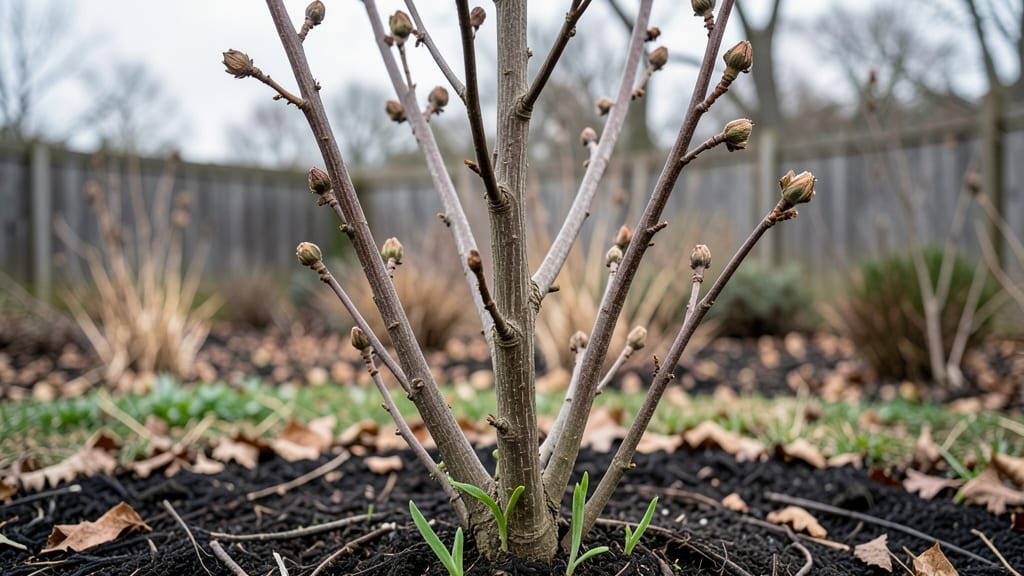
Perennial hibiscus come back in spring after hard freezes lift, typically between late March and May, depending on your USDA hardiness zone—earlier in zones 8-11 and later in zones 6-7. Mulching and winter protection accelerate regrowth in colder climates.
Perennial hibiscus are true survivors, waiting patiently underground until the soil warms enough to break dormancy. 🌱 The timing varies dramatically by zone—think of it like a biological countdown where temperature triggers the comeback.
In my Zone 8 garden, shoots often appear by early April, while in Zone 6, they might not emerge until late May. The key is watching for consistent nighttime temperatures above 50°F, which signals the roots to push new growth.
What many gardeners don't realize is that these plants actually need a period of cold to reset their growth cycle. Without proper winter chilling, you might see stunted growth or fewer blooms.
That's why mulching with 3-4 inches of straw in fall creates a protective layer—it insulates roots from extreme cold while still allowing the necessary temperature fluctuations. In my experience, the plants that get this winter care rebound faster and produce more vibrant flowers.
💡 In This Article
- How Climate Affects Perennial Hibiscus Regrowth Timing
- Step-by-Step Guide to Encouraging Faster Hibiscus Regrowth
How climate affects perennial hibiscus regrowth timing
Perennial hibiscus rely on a biological process called vernalization, where cold temperatures trigger dormancy release. The plant's roots need 4-6 weeks of consistent temperatures below 40°F to complete this cycle—this is why they often struggle in warmer climates without proper winter chilling.
Once the soil temperature reaches 55-60°F (measured 4 inches deep), the roots activate growth hormones like gibberellins, which signal shoot emergence. This explains why Zone 9 gardens may see regrowth as early as February, while Zone 6 gardens wait until late May.
The real magic happens underground where soil temperature—not air temperature—determines regrowth timing. A 10°F difference in soil temperature can mean a 2-3 week difference in emergence.
For example, in my Zone 7 garden, I've measured soil temperatures rising to 58°F by early April, which aligns with typical shoot appearance. The plant's roots also store carbohydrates over winter, which fuel this initial growth spurt—think of it like a plant's version of hibernation food reserves. 🌱
Zone-specific patterns emerge because of these temperature thresholds. In Zones 8-11, where winters are mild, hibiscus may experience partial dormancy or even continue growing through winter. This leads to earlier regrowth (as early as January in Zone 10) but can result in weaker stems if not properly rested.
Meanwhile, Zones 6-7 require more intense winter chilling, which explains the later emergence times. The USDA's chilling hour requirements (typically 500-1,000 hours below 45°F) help explain these regional differences.
What most gardeners miss is how microclimates within your yard create variations. A south-facing wall can create a 5-10°F warmer microclimate than the rest of your garden, causing hibiscus near it to emerge 1-2 weeks earlier.
Similarly, dark soil absorbs more heat than light-colored mulch, which can accelerate regrowth by 3-5 days. This is why professional growers use soil thermometers to predict emergence—it's far more accurate than guessing based on air temperature alone.
Scientific studies on hibiscus dormancy (like research from the American Society for Horticultural Science) show that plants exposed to consistent nighttime temperatures above 50°F for 5 consecutive days will begin active regrowth.
This explains why late frosts can delay emergence—even if daytime temperatures are warm, a single night below 32°F can set the plant back 1-2 weeks by damaging emerging shoots. The plant's survival strategy is fascinating: it prioritizes root protection over shoot growth during these critical periods.
Consider this comparison between zones: In Zone 9, where winters rarely drop below freezing, hibiscus may show signs of regrowth in December-January but often produce weaker stems. In contrast, Zone 6 plants that receive proper winter chilling produce stronger, more vigorous growth in late spring.
The key takeaway is that hibiscus need both cold to reset and warmth to grow—getting this balance right is what determines your plant's success. ✨