
Fertilization
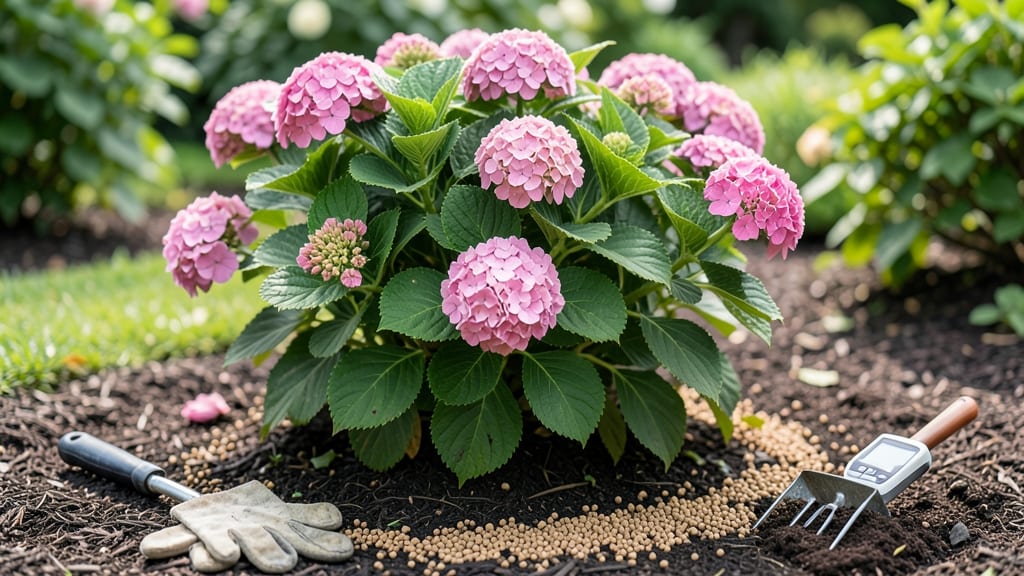
To fertilize perennials and shrubs effectively, do it in early spring before new growth appears and again in late summer after blooms fade, using slow-release granules or organic compost. Stop fertilizing by late fall to protect plants from winter vulnerability.
Timing matters because perennials and shrubs have natural growth cycles. 🌱 In early spring, fertilizer jumpstarts root development when soil temperatures rise, while late summer applications support next year's blooms.
I've seen plants thrive when fed this way—especially drought-resistant varieties like lavender or Russian sage—which need nutrients but hate soggy roots. Organic options like compost or bone meal release nutrients slowly, matching the plant's uptake rhythm perfectly.
For container plants or sandy soils, you might need an extra light feeding in mid-summer, but always check your specific varieties. Some perennials, like peonies, actually prefer minimal feeding once established, while hungry shrubs like hydrangeas will reward you with bigger blooms when fed properly.
The key is observing your plants—if they're putting out lush foliage but sparse flowers, it's often a sign they need the late-summer boost.
💡 In This Article
- Understanding Perennial and Shrub Fertilization Science
- Seasonal Fertilizer Application Guide for Perennials and Shrubs
Understanding perennial and shrub fertilization science
Perennials and shrubs follow a biological rhythm where root activity peaks twice yearly—once in early spring when soil temperatures reach 50-55°F, and again in late summer as days shorten. This timing aligns with their natural nutrient demands: spring feeding fuels new growth, while late-summer applications support next year's flowering.
The roots of established plants absorb nutrients most efficiently when soil microbes are active, which happens at these temperature thresholds. Think of it like a plant's metabolism: cold soil slows digestion, while warm soil kickstarts nutrient processing.
Here's what's happening under the soil: In early spring, fertilizer provides phosphorus and potassium to stimulate root expansion, while nitrogen supports leafy growth. By late summer, the focus shifts to phosphorus again to encourage flower bud formation.
The key difference is that spring feeding prioritizes vegetative growth, while late-summer applications target reproductive development. For example, hydrangeas need that late-summer phosphorus boost to produce their signature blooms, while lavender benefits more from spring nitrogen to establish dense foliage. 🌿
Temperature plays a crucial role in nutrient availability. Synthetic fertilizers release nutrients immediately, which can burn roots if applied when soil microbes aren't active. That's why organic options like compost or slow-release granules work better—they mirror natural nutrient cycles.
The microbes in organic matter break down gradually, releasing nutrients as the plant needs them. This process is especially important in cooler climates where soil stays cold longer; organic fertilizers provide a steady supply even when temperatures fluctuate.
What most gardeners don't realize is how late-season feeding affects winter hardiness. Applying fertilizer too close to fall encourages tender new growth that won't harden off properly before winter. This is why we stop fertilizing by 6-8 weeks before first frost.
The plant needs time to metabolize the nutrients and prepare for dormancy. I've seen many a tender perennial succumb to winter kill because it was still growing vigorously when cold weather hit—always better to let them rest and recharge for next season.
Consider the soil's microbial community too. Healthy soil teems with beneficial bacteria and fungi that help break down organic matter and make nutrients available to plant roots. When you add compost or well-rotted manure, you're not just feeding the plants—you're feeding the soil ecosystem that supports them.
This symbiotic relationship is why organic fertilizers often produce healthier plants in the long run, even if the initial growth appears slower than with synthetic options. The roots develop stronger, more extensive networks that can reach deeper for water and nutrients.
For container-grown perennials and shrubs, the rules change slightly because roots have less soil volume to work with. In these cases, you might need to feed more frequently but with lighter applications.
A balanced 10-10-10 fertilizer every 4-6 weeks during growing season works well, combined with regular watering to prevent salt buildup. The confined root zone means nutrients get used up faster, so monitoring plant response becomes even more critical.
Always check the soil moisture before fertilizing—dry soil can concentrate salts to harmful levels.