
Flowers
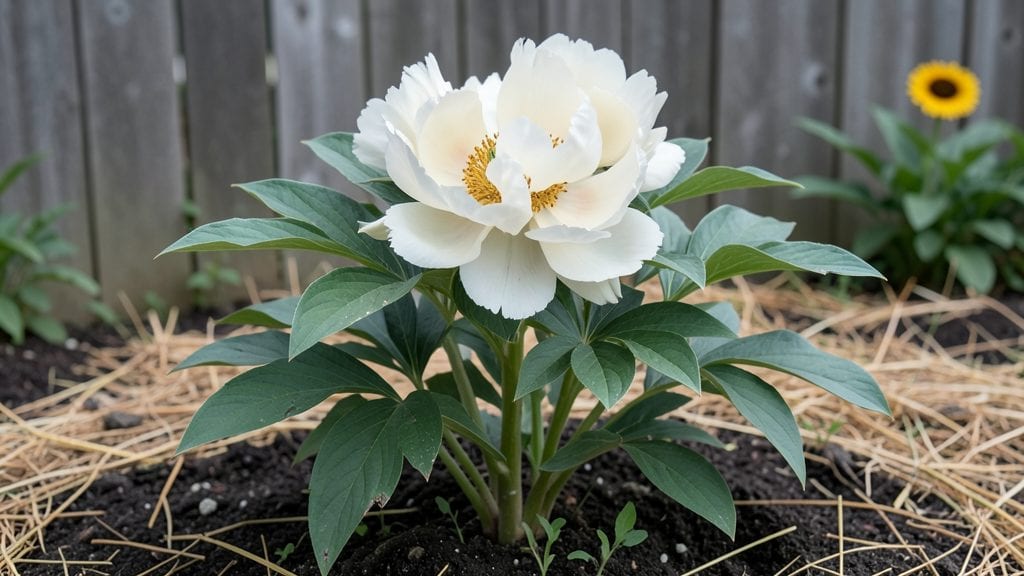
Growing a herbaceous perennial peony 🌸 means mastering the art of patience—and pruning is where most gardeners stumble.
If your peonies are struggling to deliver the dramatic, lush blooms you love, timing your pruning could be the game-changer your garden needs. One wrong cut, and you might end up with fewer flowers next year—or worse, no blooms at all.
Peonies thrive in USDA Zone 6a, where fall’s crisp air signals their dormancy period. But even in the right climate, when you prune matters more than how much you trim. Too early, and you risk damaging next year’s buds; too late, and you invite pests or disease.
Here’s the exact step-by-step guide to pruning for bigger, healthier blooms—plus the common mistakes that turn vibrant gardens into flops. Let’s get started.
Optimal pruning timeline for herbaceous perennial peonies by season
Pruning herbaceous perennial peonies at the wrong time can mean the difference between next year’s dreamy blooms and a sparse, underwhelming display. Unlike woody peonies, these varieties form flower buds in late summer—meaning aggressive cuts can sever next year’s potential.
Understanding the seasonal pruning window is key to preserving your plant’s health and maximizing those lush, fragrant blooms.
Peonies grow best in USDA Zones 3-8, but your local climate dictates the ideal pruning timing. In cold regions, late fall pruning protects buds from winter dieback, while mild climates may allow for a delayed approach.
The goal? Remove dead foliage without harming the dormant flower buds hidden beneath the soil.
Here’s the seasonal breakdown of when to prune—and why each timing matters for your peony’s future blooms. Whether you’re in Zone 4’s harsh winters or Zone 9’s mild winters, these guidelines will keep your peonies thriving.
🌱
Late fall is your first pruning window, but timing is everything. After the first frost in USDA Zones 4-7, peony foliage turns brown and dies back naturally.
This is your cue to cut back stems to 2 inches above the soil. The goal? Remove dead growth while leaving the dormant flower buds undisturbed beneath the ground.
In milder climates (Zones 8-9), delay pruning until December to avoid stimulating new growth before winter. New shoots are vulnerable to frost damage, and peonies need dormancy to set next year’s buds.
If you live in a coastal or subtropical region, wait until foliage yellows naturally—usually after two light frosts.
Early spring pruning is all about preparing for growth. Once new shoots emerge (typically February-March in colder zones), trim back any dead or broken stems to 1-2 inches above the soil.
Avoid heavy pruning now—flower buds are already forming underground, and aggressive cuts can reduce bloom size.
For mild-winter zones, hold off until March or April when buds begin to swell visibly. This ensures you’re not pruning too early and accidentally removing next year’s blooms.
A quick sanity check: If you see green shoots, it’s safe to prune; if not, wait another 2-3 weeks.
Post-bloom pruning in June or July is often overlooked but critical for next year’s flowers. Once your peonies finish blooming, deadhead spent flowers by cutting stems back to the first set of healthy leaves.
This redirects the plant’s energy from seed production to building next year’s buds.
Leave the foliage intact until late fall—even if it looks unsightly. Those green leaves are photosynthesizing and feeding the roots, which directly impacts bloom size and vigor the following season. Only remove diseased or pest-ridden leaves immediately.
If you’re in a hot, dry climate, water deeply after pruning to reduce stress on the plant. Peonies are drought-tolerant once established, but post-pruning hydration helps them recover faster. Mulch around the base with 2-3 inches of organic matter to retain moisture and regulate soil temperature.
🌸
Step-by-step pruning guide: tools, techniques, and common mistakes
Pruning your herbaceous perennial peony 🌸 isn’t just about tidying up—it’s a strategic move to ensure next year’s blooms are even more spectacular. The key lies in timing, technique, and knowing exactly what to cut.
Unlike woody peonies, herbaceous types need a gentler touch because their buds form on the previous year’s growth. One wrong snip, and you could sacrifice next season’s flowers entirely.
Start by gathering your pruning tools and safety gear. A sharp pair of bypass pruners is essential for clean cuts, while gloves protect your hands from thorns. Disinfect your tools with rubbing alcohol to prevent spreading disease between plants.
I always keep a small bucket of soapy water nearby to clean tools mid-pruning—it’s a game-changer for hygiene.
⚠️
Herbaceous peonies form their flower buds in late summer and early fall. Pruning too early disrupts this process, leading to fewer or no blooms next year. Wait until the foliage turns brown and dies back naturally—usually after the first frost in USDA Zone 6a.
✅ Do: Prune in late fall or early spring when plants are dormant.
❌ Don’t: Cut back in summer or early fall—this risks damaging next year’s buds.
When pruning, focus on removing dead or diseased foliage first. Cut back to the ground level, but leave any healthy stems intact—they’ll protect the crown over winter. For overcrowded plants, thin out the oldest stems to improve airflow and reduce disease risk.
I like to step back every few cuts to assess the plant’s shape—this helps me avoid over-pruning, which weakens the plant.
Use your pruners to make clean, angled cuts just above a bud or node. Avoid leaving stubs, as they can trap moisture and invite rot. If you’re dealing with thick stems, use loppers for precision.
Always prune on a dry day to minimize the risk of fungal infections. I’ve learned this the hard way—pruning after rain led to a peony patch that looked more like a science experiment gone wrong!
After pruning, mulch the base with 2-3 inches of organic mulch to insulate the crown and retain moisture. Avoid piling mulch directly against the stems, though—this can cause rot. Water lightly if the soil is dry, but avoid soaking the plant.
In early spring, as new growth emerges, you can do a light cleanup to remove any remaining debris, but this is optional unless you spot signs of disease.
Common mistakes include pruning too aggressively, using dull tools, or ignoring plant health after cutting. Always step back and admire your work—if the plant looks too bare, you’ve likely over-pruned.
Remember, peonies are resilient, but they reward patience. With the right technique, you’ll enjoy larger, more vibrant blooms for years to come. 🌸