
Advice
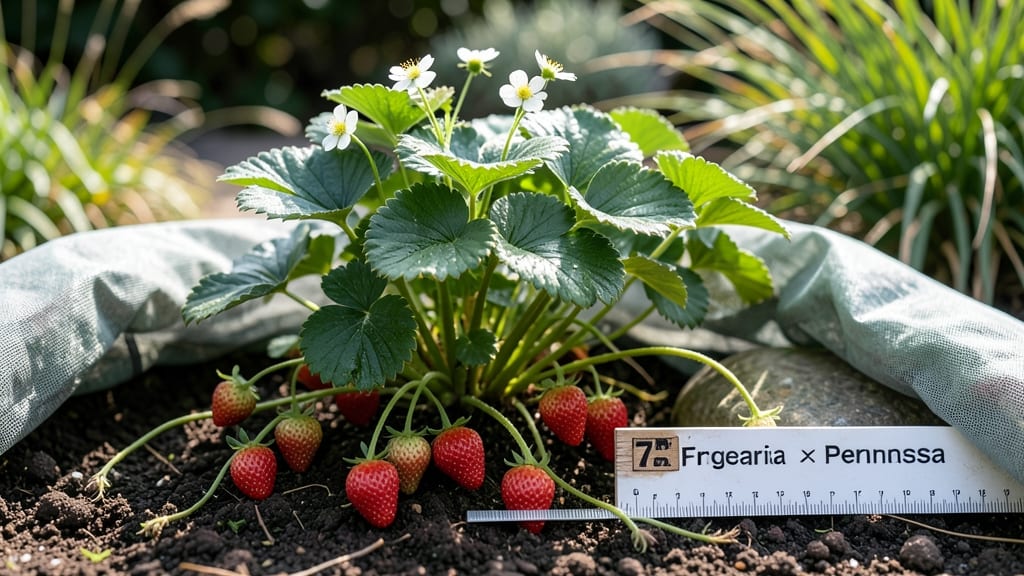
Strawberries in Zone 7 are perennial plants that return yearly with proper winter protection. Their hardy underground rhizomes and crowns survive mild winters, but extreme cold snaps below 20°F often require protective measures like mulching or row covers.
Zone 7's winters are typically mild enough that strawberries' natural dormancy period lets them survive underground, but their success depends on protecting those critical rhizomes and crowns. 🌱 The key is maintaining soil temperatures above 20°F—any colder, and the plant's energy reserves can be depleted.
I've found that June-bearing varieties handle winter best, while everbearing types sometimes need extra care. The real test comes during late winter: if you see green shoots emerging too early, they're vulnerable to sudden freezes.
What sets strawberries apart from other perennials is their shallow root system—just 6-12 inches deep—which makes them more sensitive to temperature fluctuations. That's why mulching with 4-6 inches of straw or pine needles creates an insulating blanket that stabilizes soil temps.
For extra protection during harsh snaps, lightweight row covers work wonders without smothering the plants.
💡 In This Article
- How Strawberry Rhizomes Survive Zone 7 Winters
- Zone 7 Strawberry Winter Care: Mulching and Protection Tips
How strawberry rhizomes survive Zone 7 winters
Strawberries' ability to return year after year in Zone 7 comes down to their specialized underground structure—the rhizome system. These horizontal stems store carbohydrates and nutrients during dormancy, acting like a natural battery that keeps the plant alive.
The crown, where leaves meet roots, is particularly critical as it contains meristematic tissue that regenerates new growth. Unlike deep-rooted perennials like asparagus, strawberries have shallow roots (6-12 inches) that make them more vulnerable to temperature swings.
The magic happens when temperatures drop to 20-28°F—this triggers dormancy, where metabolic activity slows to a crawl. At these levels, the rhizomes enter a state of suspended animation, conserving energy until spring.
What's fascinating is how strawberries handle this differently than other berries: raspberries and blackberries have more robust crowns, while strawberries rely on their mulch-insulated soil blanket. The key threshold is 15°F—below this, cell damage becomes likely, especially in young plants or those with weak rhizomes.
Dormancy isn't just about surviving cold—it's about timing. Strawberries in Zone 7 typically enter dormancy in late fall when days shorten and temperatures consistently drop below 50°F. The plant's natural antifreeze proteins (like galactinol) help protect cell membranes from ice crystal formation.
This biological adaptation explains why June-bearing varieties often outperform everbearing types in colder Zone 7 winters—their deeper dormancy cycle gives them an extra survival advantage.
What most gardeners miss is how soil moisture plays a hidden role. Too-wet conditions during winter can actually increase cold damage by promoting fungal growth in the rhizomes. The ideal winter soil should be moist but well-drained, with mulch preventing both waterlogging and freeze-thaw cycles that disrupt root structure.
This is why straw mulch (not pine needles) is often recommended—it allows just enough moisture retention while insulating against temperature extremes.
Comparing strawberries to other perennials reveals their unique strategy. While hostas and peonies develop thick underground tubers for storage, strawberries rely on their fibrous root network combined with crown insulation. The rhizomes themselves contain specialized cells called parenchyma that swell with stored starches, creating a natural insulation layer.
This biological adaptation is what lets strawberries thrive in Zone 7's 1000-1500 growing degree days annually—far more than their northern counterparts.
Here's what happens when winter care fails: Without proper protection, rhizomes can suffer from crown rot or freeze damage, showing up as blackened crowns or stunted spring growth. The plant may still produce, but with reduced vigor and smaller berries.
This is why monitoring soil temperatures with a minimum-maximum thermometer (placed at 4-inch depth) is crucial during critical winter months.