
Flowers
This guide to perennials unlocks the secret to gardens that bloom year after year with almost no effort—no digging up and replanting every spring.
Picture this: one planting in spring, and your garden delivers color, fragrance, and even edibles for a decade or more. But here’s the catch—some perennials flop if you don’t pick the right spot or give them the right care.
I’ll show you how to choose winners for your zone and keep them thriving with minimal fuss.
We’ll cover everything from soil prep to pruning, plus the top 10 easiest perennials for busy gardeners. Whether you’re fixing a shady corner or brightening a sunny border, these plants will repay your effort with beauty that lasts.
Ready to swap annuals for perennials? Let’s get started with the basics that set you up for success from day one.
How to choose the best perennials for your climate and garden style
Selecting the right perennials for your garden is like choosing the perfect cast for a play—every plant needs the right climate, sunlight, and soil conditions to shine. Start by identifying your USDA hardiness zone (find yours here), as this determines which plants will survive winter in your area.
For example, lavender thrives in zones 5-9, while peony is happiest in zones 3-8. Matching plants to your zone ensures they’ll return year after year with minimal fuss.
Next, assess your garden’s sunlight exposure. Most perennials fall into three categories: full sun (6+ hours), partial shade (3-6 hours), or full shade (less than 3 hours). Coneflowers and black-eyed Susans crave full sun, while hostas and heucheras prefer shade.
Sketch your garden’s sunlight map by observing which areas get morning sun, afternoon shade, or dappled light—this will guide your plant placement.
| Perennial Type | USDA Zones | Sunlight Needs | Soil Preference | Bloom Season | Height at Maturity |
|---|---|---|---|---|---|
| Lavender | 5-9 | Full sun | Well-draining, sandy | Summer-Fall | 1-3 ft |
| Coneflower (Echinacea) | 3-9 | Full sun to partial shade | Adaptable, tolerates clay | Summer-Fall | 2-5 ft |
| Peony | 3-8 | Full sun to partial shade | Rich, well-draining | Spring | 2-3 ft |
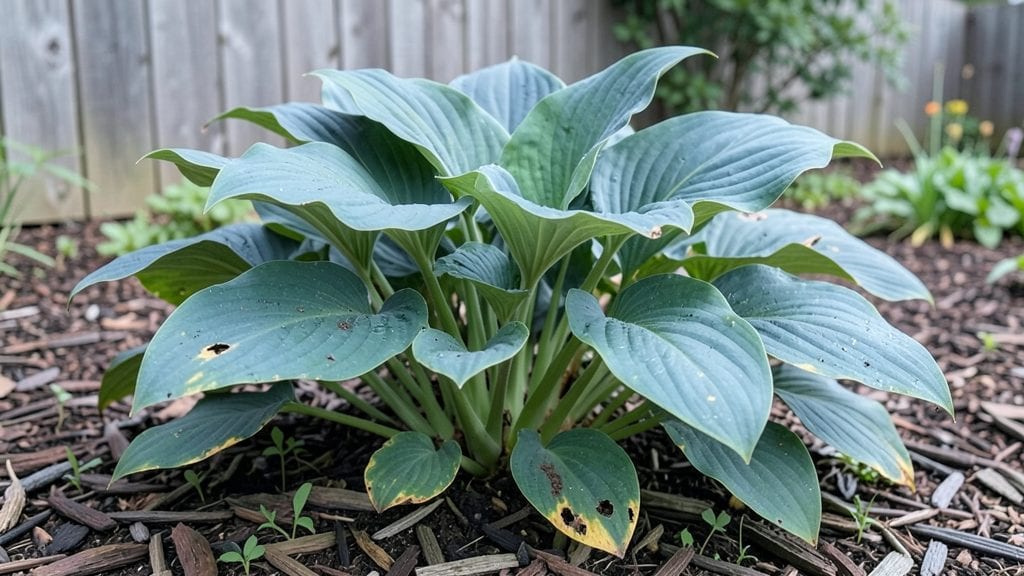
| Hostas | 3-9 | Partial to full shade | Moist, well-draining | Summer (foliage year-round) | 1-4 ft |
| Russian Sage | 4-9 | Full sun | Drought-tolerant, well-draining | Summer-Fall | 3-5 ft |
| Black-Eyed Susan | 3-9 | Full sun to partial shade | Adaptable, tolerates poor soil | Summer-Fall | 1-3 ft |
Don’t overlook your soil type, as it’s the foundation for healthy perennials.
Test your soil’s pH level (aim for 6.0-7.0 for most perennials) and amend it with compost or organic matter if needed. Drought-resistant varieties like sedum or yarrow thrive in sandy, well-draining soil, while water-loving plants like astilbe or ligularia prefer moist, rich soil.
If your garden has heavy clay, consider raised beds or container gardening for picky perennials.
Align your garden style with your plant choices to create a cohesive look. For a pollinator-friendly garden, prioritize bee-balm, butterfly weed, and bee balm, which attract butterflies and bees. If you love fragrant perennials, lavender, rosemary, and Russian sage are excellent picks.
For a modern, minimalist aesthetic, opt for grasses like fountain grass or ornamental grasses with clean lines. Sketch a rough layout before planting to visualize how colors and textures will flow together.
Plan for seasonal blooms to ensure your garden stays vibrant year-round. Early spring bloomers like bleeding heart and hepatica give way to summer stars like daylilies and black-eyed Susans, while fall favorites such as sedum and goldenrod extend the season.
Add a few winter interest plants like ornamental grasses or evergreen shrubs to keep your garden lively even in colder months. A well-planned blooming timeline prevents gaps and ensures continuous color.
Year-round perennial care: pruning, dividing, and winter protection tips
Perennials are the backbone of a low-maintenance garden, but their longevity depends on seasonal care. Without proper pruning, dividing, and winter protection, even the hardiest plants can decline.
I’ve learned that skipping these steps shortens blooming seasons and weakens root systems. Let’s break down the essential tasks for each season to keep your perennials thriving for years.
Start with early spring pruning to remove dead foliage and encourage new growth. This is also the best time to divide overcrowded clumps, like peony or daylily, before they become too dense.
Summer care focuses on deadheading spent blooms and light fertilizing to sustain energy. But winter prep is where many gardeners fall short—and that’s where problems begin.
- Pruning at the wrong time: Cutting back late-season bloomers like coneflower in early spring removes next year’s flower buds.
- Over-fertilizing in fall: Encourages tender new growth that won’t survive frost.
- Ignoring winter mulch: Leaves roots exposed to freeze-thaw cycles, causing damage.
- Dividing too late: Wait until early spring or early fall—never mid-summer when plants are stressed.
Let’s tackle spring pruning first. Use clean, sharp shears to cut back dead foliage from last season, but avoid heavy pruning until new growth appears. For grasses like orchard grass, cut back one-third of the height to maintain shape.
This step prevents disease and pests from lurking in old debris.
Dividing perennials every 3-4 years rejuvenates them. Dig up the clump, separate into 3-inch sections with roots attached, and replant. Spring-blooming perennials like bleeding heart should be divided after flowering, while summer bloomers like black-eyed Susan can wait until fall. Always water deeply after dividing to reduce shock.
Summer care shifts to deadheading and light feeding. Pinch off spent blooms to redirect energy to new growth. Apply a balanced fertilizer (like 10-10-10) every 6-8 weeks, but skip high-nitrogen feeds—it promotes leafy growth over flowers.
Mulch with 2-3 inches of organic matter to retain moisture and regulate soil temperature.
Winter protection starts in late fall before the first frost. Cut back tender perennials like canna lilies to ground level and mulch heavily with straw or leaves.
For hardy perennials like lavender or Russian sage, leave foliage intact to insulate roots. Avoid piling mulch against stems to prevent rot.
With these seasonal routines, your perennials will reward you with vibrant blooms and strong growth for decades. The key is consistency—don’t let one season’s neglect catch up to you! Start small, and soon your garden will thrive with minimal effort.