
Blooming
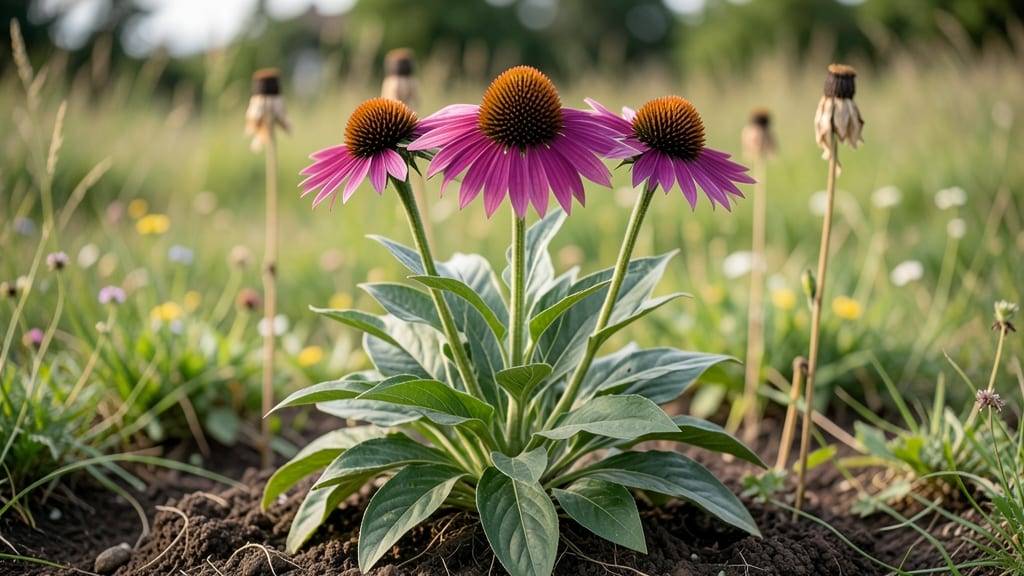
Perennials don't bloom every year—most take 2-3 years to establish strong roots before flowering, and many experience natural dieback after blooming. Some cold-hardy types skip seasons due to climate stress, while others bloom annually once fully matured. Consistent care helps maintain their flowering schedule over time.
This isn't a sign of failure—it's part of their natural growth cycle. 🌱 Many perennials focus on building root systems in their first year, storing energy for future blooms.
For example, peonies often take 2-5 years to flower, while coneflowers may bloom sporadically in their second year before settling into a regular pattern. The key is understanding that their "off" years are just preparation for spectacular displays later.
What's interesting is how environmental factors play a role. Some perennials, like hostas, enter dormancy after blooming to conserve energy, while others need cold stratification—a period of cold temperatures—to trigger flowering hormones.
This is why you might see a perfectly healthy plant with no flowers one season and a stunning display the next.
💡 In This Article
- Why Perennials Skip Blooming: Root Systems and Dormancy Cycles
- How to Encourage Annual Blooms in Perennials
Why perennials skip blooming: root systems and dormancy cycles
The blooming cycle of perennials is directly tied to their root development. In their first 1-3 years, plants focus on expanding their root systems to gather nutrients and water, storing energy in underground rhizomes or tubers.
For example, peonies develop roots that can extend 3-4 feet deep before they produce their first flowers. This energy investment means you might see lush foliage but no blooms during these early years—a sign of healthy growth, not failure. 🌱
Dormancy plays a crucial role too. Many perennials enter a resting phase after flowering to conserve energy, especially in colder climates. This process, called cold stratification, requires exposure to 30-60 days of temperatures below 40°F to trigger flowering hormones.
Without this cold period, some plants like lupines or columbines may skip blooming entirely. Even established plants might skip a season if they didn't receive adequate cold exposure the previous winter.
There's also a biological distinction between monocarpic and polycarpic perennials. Monocarpic plants—like agaves or century plants—bloom just once in their lifetime, then die, while polycarpic plants (most garden perennials) bloom repeatedly.
This explains why some perennials seem to "disappear" after flowering—they're redirecting all energy into seed production before entering dormancy. Proper care, like avoiding over-fertilization during bloom, helps maintain this cycle.
Environmental stress further complicates blooming patterns. Drought, poor soil quality, or excessive shade can force perennials to prioritize survival over reproduction. For instance, black-eyed Susans may produce fewer blooms in high-nitrogen soils because the plant focuses on leafy growth instead.
The key is balancing nutrients—too much nitrogen equals foliage, too little equals no flowers. A well-drained soil with phosphorus-rich compost (like bone meal) often triggers better flowering.
Some perennials also exhibit alternate-year blooming, where they flower heavily one year, then rest the next. This is common in daylilies or asters, which store energy in their rhizomes. The plant's internal clock, influenced by daylight hours, determines when to bloom.
In northern climates, shorter days can delay flowering until the following season, while southern gardens may see more consistent annual blooms. 🌿
Understanding these cycles helps gardeners set realistic expectations. For example, planting bee balm in full sun with well-draining soil ensures it blooms annually after its first year, while hostas may take 3-4 years to produce flowers but reward you with shade-tolerant foliage in the meantime.
The secret to longevity is patience—letting perennials follow their natural rhythms while providing optimal growing conditions.