
Flowers
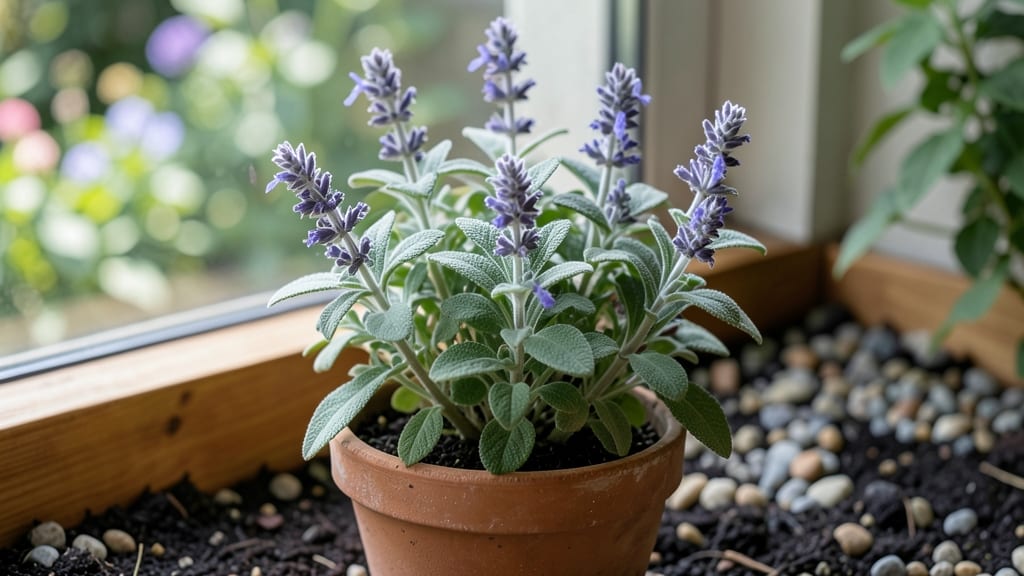
Yes, sage is a perennial plant in USDA hardiness zones 5-8, where it grows as a woody shrub with proper winter care. Some varieties may die back in colder climates but regrow in spring, while its foliage can be evergreen or semi-evergreen depending on the species and growing conditions.
Sage's perennial nature comes from its deep root system and woody stems, which store energy for regrowth after cold snaps. 🌱 In zones 5-8, common garden sage (Salvia officinalis) thrives year-round, while hardier varieties like Salvia nemorosa can survive in zone 4 with extra protection.
The key? Mulching heavily in fall and pruning back dead growth in early spring—this prevents winter damage while encouraging lush new foliage. Evergreen types like golden sage keep their leaves year-round, while others drop foliage only to rebound faster in spring.
For gardeners in marginal zones, overwintering sage in containers and moving it to a sheltered spot can make all the difference. Just remember: the colder the climate, the more you'll need to mimic its natural Mediterranean habitat with insulation and sunlight.
With the right care, your sage can live for decades, rewarding you with aromatic leaves season after season.
💡 In This Article
- Sage Plant Hardiness Zones and Cold Tolerance Factors
- Year-Round Sage Care: Pruning, Mulching, and Overwintering Tips
Sage plant hardiness zones and cold tolerance factors
Sage's perennial status hinges on its deep root system and woody stems, which store carbohydrates like starch and sugars to fuel regrowth after winter dormancy.
In USDA zones 5-8, where winter lows rarely drop below -15°F to 10°F, common garden sage (Salvia officinalis) thrives because its roots remain insulated by soil and mulch.
The key mechanism is called cold acclimation—sage gradually hardens off as temperatures drop, increasing its tolerance to freezing by up to 50% compared to its springtime resilience.
Different sage varieties exhibit varying cold hardiness due to their native habitats. Mediterranean sage (Salvia officinalis) is adapted to mild winters and may suffer dieback below 10°F, while hardier species like Salvia nemorosa (also called woodland sage) can withstand -20°F in zone 4.
The evergreen varieties, such as golden sage, retain their leaves year-round because their waxy leaf coating reduces water loss and frost damage, but they still benefit from winter protection in colder zones.
What most gardeners overlook is how mulching and pruning directly impact winter survival. A 3-4 inch layer of organic mulch (like straw or shredded leaves) insulates roots by maintaining soil temperatures 5-10°F warmer than unmulched beds.
Pruning back dead growth in early spring—before new shoots emerge—prevents fungal infections that thrive in damp, decaying foliage, a common issue in zones 5-6 where spring thaws can be prolonged.
In colder climates (zones 3-4), sage behaves more like an annual because its roots may not survive prolonged sub-zero temperatures. However, some gardeners successfully overwinter potted sage by moving it to an unheated garage or basement where temperatures stay between 32°F and 45°F.
The trick is to keep the soil barely moist—not soggy—and provide indirect light to prevent leggy growth, which weakens the plant's cold resistance.
Here's a quick comparison of how different sage types handle winter:
- Common Sage (Salvia officinalis): Dies back in zone 5 but regrows; needs mulch in zone 4
- Woodland Sage (Salvia nemorosa): Survives zone 4 winters; more drought-tolerant
- Golden Sage (evergreen): Retains leaves in zone 6+ but may scorch in zone 5 winters
The science behind this resilience lies in sage's ability to supercool—a process where its cellular fluids remain liquid below freezing, preventing ice crystal formation that would rupture cell walls.
This adaptation, combined with proper winter care, is why sage can live for decades in ideal conditions, rewarding gardeners with aromatic leaves season after season. 🌿