
Fertilization
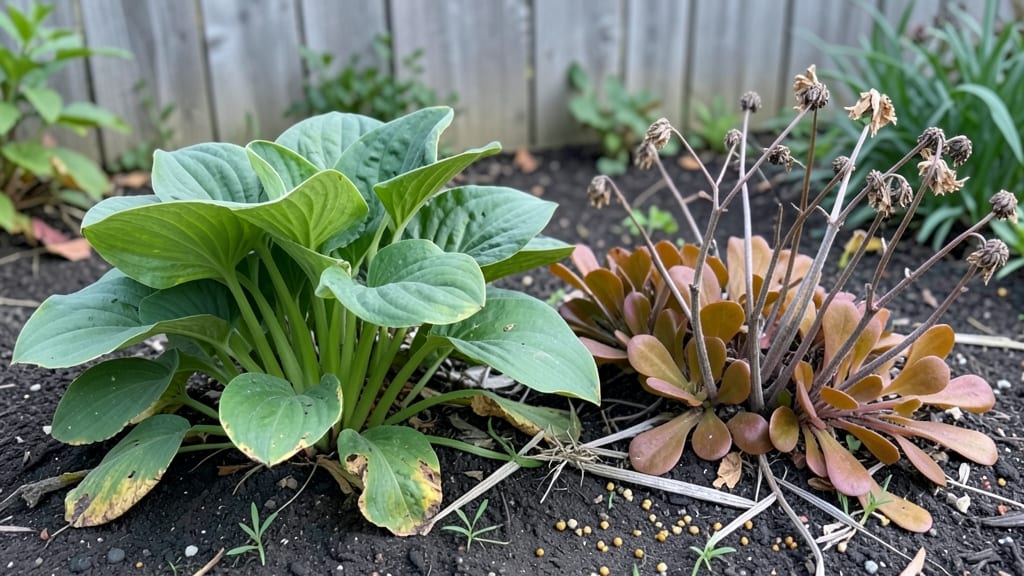
Fall fertilizing perennials is the secret weapon for next year’s showstopper blooms. 🌿 I learned this the hard way after my hostas and daylilies put out half the flowers they should have—until I started feeding them in autumn.
The key is timing and the right fertilizer, not just throwing anything on the soil.
Most gardeners focus on spring, but fall is when perennials store nutrients for spring growth. Use a balanced, slow-release fertilizer (like 10-10-10) or organic options like composted manure.
Apply it after the first frost when plants go dormant but before the ground freezes. This gives roots time to absorb nutrients without encouraging new top growth.
You’ll notice stronger stems, bigger blooms, and plants that bounce back faster from summer stress. My peonies now produce two dozen blooms instead of a dozen, and the foliage stays lush until winter.
The best part? Less work in spring because the nutrients are already in the soil where the roots can access them.
Works for almost any perennial—herbs, shrubs, and flowering plants all benefit. Just avoid fertilizing if your area gets heavy frost or snow early. Here’s how to do it right without overdoing it.
📚 In This Guide
- What you need
- Instructions
- Tips and common mistakes
- Wrapping up and next steps
What you need
- ● Slow-release granular fertilizer (10-10-10 or 5-10-10 NPK ratio) – 2–3 lbs per 100 sq ft of garden bed.
- ○ Compost or well-aged manure – 1–2 inches spread evenly (optional but highly recommended).
- ● Organic matter (leaf mold, straw, or shredded leaves) – 2–3 inches for mulching.
- ● Garden gloves – Heavy-duty to protect hands from soil and sharp edges.
- ● Pruners or shears – Sharp and clean for trimming dead foliage.
- ● Watering can or hose with a gentle spray nozzle – For post-fertilizing hydration.
- ● Garden fork or trowel – To gently loosen soil and mix in amendments.
- ● Soil test kit – To check pH and nutrient levels before fertilizing.
- ● Epsom salt (magnesium sulfate) – 1 tbsp per sq ft for magnesium-deficient plants.
- ● Bone meal or fish emulsion – For phosphorus boost (great for root development).
- ● Mulch blanket or landscape fabric – To retain moisture and regulate soil temp.
How to fertilize perennials in fall for stronger growth next season
This is the secret to perennials that bounce back bigger and bloom brighter every spring.
🌿 Step 1: Choose the Right Fertilizer for Late-Season Feeding
Look for a low-nitrogen, balanced fertilizer labeled for fall use—something like 10-10-10 or 5-10-10 works perfectly. Avoid high-nitrogen formulas (like 30-10-10) designed for spring growth. The goal here is to strengthen roots and store nutrients, not encourage new top growth that won’t survive winter.
I like to use a slow-release granular fertilizer because it feeds steadily over time. Spread it evenly around the base of each perennial, keeping it 3-4 inches away from stems to prevent burn. This also lets water reach the roots without washing fertilizer toward the plant center.
⏰ Step 2: Time Your Application for Optimal Absorption
Wait until late September or early October, after your perennials have finished blooming but before the first hard frost. This gives roots 4-6 weeks to absorb nutrients before dormancy sets in. You’ll know it’s time when foliage starts yellowing naturally—don’t fertilize if leaves are still green and vigorous.
Apply fertilizer on a cool, overcast day to reduce stress on plants. Water the area lightly before spreading granules so they stick to the soil and don’t blow away. After applying, water again to activate the granules and help them dissolve into the root zone.
💧 Step 3: Water Deeply to Encourage Root Growth
Within 24 hours of fertilizing, give your perennials a deep watering—enough to moisten the soil 6-8 inches down. This ensures nutrients reach the roots where they’re needed most. You’ll see the soil darken and feel damp at that depth when done right.
Mulch with 2-3 inches of shredded leaves or straw after watering to lock in moisture and protect roots from freezing temperatures. This layer also insulates the soil, preventing drastic temperature swings that can stress plants. Check mulch thickness with a ruler—too much can suffocate roots, while too little won’t provide enough insulation.
🌱 Step 4: Monitor and Adjust for Next Year’s Success
Keep an eye on your perennials over the next few weeks. Healthy roots will show next spring through stronger stems and earlier blooms. If you notice any yellowing leaves after fertilizing, it might mean you applied too much—dilute next year’s dose by half.
This fall feeding sets the stage for bigger blooms and more robust growth in the coming season. The key is patience: let the nutrients work their magic underground while your plants rest. You’ll thank yourself when spring arrives and your garden bursts back to life.
Tips & tricks for perfect fall fertilizing
Here's what nobody tells you about getting the most out of your late-season garden boost.
Fertilizer Placement: Spread that 10-10-10 or 5-10-10 fertilizer in a donut shape around each plant, keeping it 3-4 inches from stems. This creates a nutrient zone that encourages root expansion without burning tender foliage. Think of it like creating a protective barrier that funnels nutrients directly to where they're needed most.
Timing Secret: The 4-6 week window between late September and early October is your golden opportunity. Watch for those natural yellowing leaves as your cue—this means the plant is transitioning to dormancy and ready to absorb nutrients for next spring. Don't fertilize if leaves are still vibrant green, as this indicates active growth that needs spring feeding instead.
Deep Watering Technique: That 24-hour window after fertilizing is crucial for nutrient absorption. Use a soil probe or long screwdriver to check moisture at 6-8 inches deep—you should feel dampness, not dryness. Water until you see the soil darken at that depth, which signals proper saturation for root development. This deep watering helps dissolve the granules and carries nutrients where they'll do the most good.
Mulch Layering: When adding your 2-3 inch mulch layer of shredded leaves or straw, make sure it's loose and fluffy—not compacted. This creates air pockets that insulate roots while allowing moisture to penetrate. Use a rake to fluff it up before settling around your plants, and avoid piling mulch against stems to prevent rot.
Pro Tips for Fall Fertilizing Perennials
- Here's what nobody tells you about getting the most out of your late-season garden boost.
- Fertilizer Placement: Spread that 10-10-10 or 5-10-10 fertilizer in a donut shape around each plant, keeping it 3-4 inches from stems.
- Timing Secret: The 4-6 week window between late September and early October is your golden opportunity.
Frequently asked questions
Got questions about fall fertilizing? You’re not alone!
Here are answers to the most common concerns—so you can confidently prep your perennials for a showstopping spring.
When is the exact best time to fertilize in fall?
Time it right for maximum impact: Aim for 6–8 weeks before your first hard frost (typically late September to early October in most zones). This gives roots time to absorb nutrients before dormancy. Skip fertilizing if frost hits sooner—plants won’t benefit!
What if we’ve already had frost? Can I still fertilize?
Nope! Once frost hits, perennials enter dormancy, and fertilizing can burn roots or encourage late-season growth that won’t survive winter. Wait until next spring (early spring is ideal) to refresh nutrients. Better late than sorry!
Is organic fertilizer better than synthetic for fall?
Both work, but organic (like compost or slow-release granules) is gentler and breaks down over time, feeding roots gradually. Synthetic (like 10-10-10) delivers a quick boost but may require more frequent applications. For perennials, organic is often the safer bet—especially for sensitive varieties.
Do I need to water after fertilizing?
Absolutely! Water thoroughly before and after applying fertilizer to:
- Activate nutrients in the soil
- Prevent root burn
- Help nutrients penetrate deeper
Use 1–1.5 inches of water per application for best results.
What if my perennials look stressed after fertilizing?
Stress signs (yellowing, wilting, or crispy edges) usually mean over-fertilizing or dry soil. Pause fertilizing, water deeply, and trim any damaged foliage. Next time, halve the recommended dose and monitor closely. Perennials are tough—they’ll bounce back!
Wrapping up and next steps
Fall fertilizing is your secret weapon for vibrant, healthy perennials next spring! By feeding them now, you’re giving roots a nutrient boost to prepare for winter dormancy—and setting the stage for showstopping blooms in the seasons ahead. 🌿✨
Ready to take action? Grab your gloves and review your supplies one last time, then head outside for a quick but impactful session. Your garden’s future beauty starts with the work you do today!