
Plants
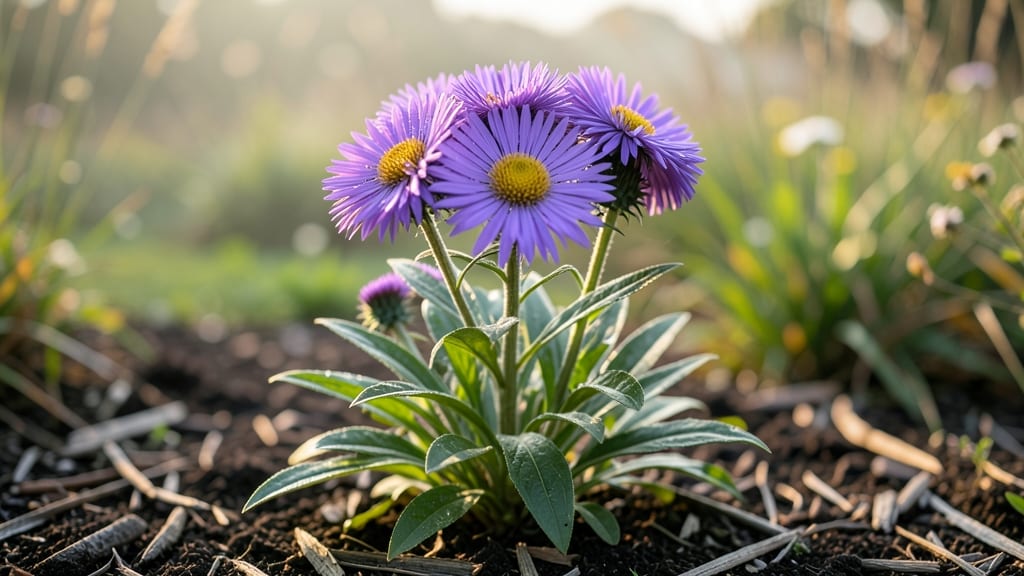
Asters are indeed perennials in most climates, returning year after year thanks to their resilient root systems that regenerate foliage annually. While some varieties die back in winter, they regrow vigorously each spring with proper care.
Asters earn their perennial reputation through clever biology—specifically their rhizomatous root systems that store nutrients underground. 🌱 Unlike annuals that complete their life cycle in one season, asters develop thick, woody roots capable of surviving temperatures down to -20°F (USDA zones 3-9).
This cold resistance lets them "sleep" through winter, then burst back with fresh blooms when conditions warm.
What sets them apart from annuals is their ability to self-propagate through both seeds and root division. Many gardeners swear by dividing mature clumps every 3-4 years to prevent overcrowding, which actually extends their lifespan.
The key to their longevity? Well-draining soil rich in organic matter—this combo prevents rot while giving roots the energy reserves they need for spring rebounds.
💡 In This Article
- How Asters Survive Winter with Cold-Hardy Roots
- Cultivating Perennial Asters for Long-Term Garden Success
How asters survive winter with cold-hardy roots
Asters deploy a clever survival strategy through specialized root structures. Most varieties develop rhizomes—horizontal, underground stems packed with energy reserves that look like thick, gnarled fingers beneath the soil. These rhizomes contain starch-rich cells that act as natural food banks, allowing the plant to sustain itself during dormancy.
Some species, like the New England aster, even produce corms (solid, bulb-like roots) that can survive -20°F temperatures without damage. This cold resistance explains why asters thrive in USDA zones 3-9, making them ideal for northern gardens where many perennials fail.
The magic happens in autumn when asters prepare for winter. As temperatures drop, the plant redirects nutrients from fading foliage into its roots, effectively supercharging its energy reserves.
This process, called autumnal senescence, ensures the roots enter dormancy with enough stored carbohydrates to fuel new growth when spring arrives. 🌿 For comparison, annuals like marigolds have no such storage system—they complete their entire life cycle in one season, while asters can live for 5-10 years (or longer with proper care) by leveraging this underground survival mechanism.
What makes asters particularly resilient is their ability to regulate water loss during dormancy. Their roots develop a waxy coating that reduces moisture evaporation, preventing desiccation even in dry winter conditions. This adaptation is why you'll often see asters returning stronger in drought-prone areas than many other perennials.
The trade-off? Their growth is slower in early spring compared to annuals, but this patience pays off with longer blooming seasons (often 6-8 weeks of continuous flowers) that annuals simply can't match.
Contrast this with biennials like foxgloves, which store energy in their roots for only two growing seasons before dying. Asters' multi-year root systems allow them to recover from damage—whether from frost, pests, or even accidental digging—because they can regenerate from multiple root nodes.
This redundancy is why gardeners in zone 5 can successfully grow asters despite harsh winters: even if 20% of the rhizome survives, it's enough to restart the plant in spring.
One fascinating detail is how asters time their regrowth using temperature cues. Their roots begin producing new shoots when soil temperatures reach 45-50°F, typically 2-4 weeks before the last frost. This precise timing ensures they emerge just as conditions become favorable for photosynthesis. 🌱 The result?
A two-month head start over annuals planted from seed, giving asters their signature late-summer to fall blooming advantage.
For gardeners curious about the science, asters' cold resistance stems from antifreeze proteins in their cells that prevent ice crystal formation. These proteins, similar to those in winter wheat, allow water to remain liquid at sub-freezing temperatures, protecting cellular structures.
This biological trick explains why asters can survive being buried under snow for months—something most garden plants can't do without protection.