
Orchid Care
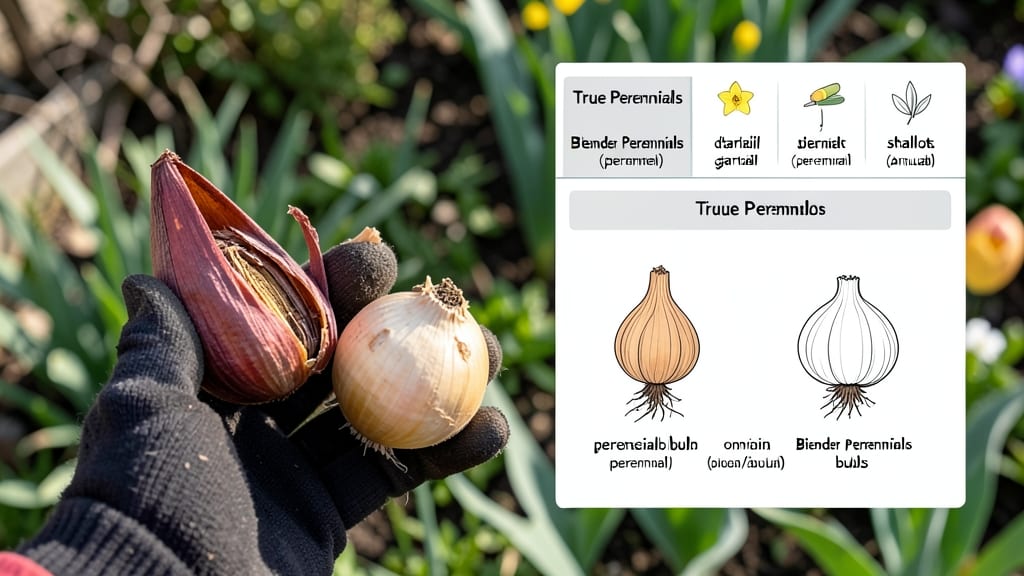
Not all bulbs are perennials—only true bulbs like tulips and daffodils regrow yearly, while corms (e.g., gladiolus), tubers (e.g., potatoes), and rhizomes (e.g., ginger) behave differently based on their underground storage structure and climate needs.
When we talk about bulbs in gardening, it's easy to assume they all return every year—but that's not the case. 🌱 True bulbs, like tulips and daffodils, store energy in layered scales and regrow annually, while other underground structures like corms or tubers have different survival strategies.
For example, gladiolus corms often need to be dug up and divided every few years to prevent overcrowding, while ginger rhizomes spread naturally and can persist for years if conditions are right. Understanding these differences helps you plan your garden's seasonal cycles more effectively.
What makes this distinction important is how each type responds to seasonal changes. True perennial bulbs, like alliums or crocuses, simply go dormant in winter and re-emerge when temperatures rise.
Non-perennial types, however, may need special care—like storing tubers in a cool, dry place or protecting corms with mulch during frost. This knowledge can save you from unnecessary replanting and help you create a more sustainable garden over time.
💡 In This Article
- How Underground Storage Types Affect Plant Lifespan
- Perennial vs. Non-Perennial Bulbs: Gardening Tips by Type
How underground storage types affect plant lifespan
The key difference between true bulbs and other underground storage types lies in their internal structure and how they store energy. True bulbs, like tulips and daffodils, have concentric layers of fleshy scales that protect a central growth point.
These scales store nutrients and water, allowing the plant to regenerate each spring. The outer scales often dry out and fall away, revealing fresh growth beneath—this is why tulips emerge so reliably year after year. 🌱
Corms, on the other hand, like those of gladiolus or crocus, are solid, swollen stems with a single growth point at the top. Unlike bulbs, they don't have layered scales, and their energy storage is more concentrated.
After flowering, the corm shrivels and produces a new corm at its base, which is why gardeners often need to dig them up every 2-3 years to prevent overcrowding.
Tubers, like potatoes or dahlias, store energy in thickened underground stems with multiple growth points called "eyes," which can sprout into new plants.
Rhizomes, such as those of ginger or iris, take this a step further by growing horizontally underground. They form nodes along their length, each capable of producing new shoots. This horizontal growth allows rhizomes to spread aggressively, often making them more persistent than bulbs.
The challenge with rhizomes is controlling their spread—what starts as a small clump can quickly dominate a garden bed if left unchecked. 🌿
Climate plays a huge role in how these structures survive winter. True bulbs, like snowdrops, have evolved to handle freezing temperatures by producing antifreeze-like compounds that protect their cells. Corms and tubers, however, often need extra protection in colder regions.
For example, dahlias, which are tuberous, must be dug up in zones with hard freezes and stored in a cool, dark place until spring. This is why you'll see gardeners wrapping them in peat moss or packing them in sawdust.
What most gardeners don't realize is how these structures respond to disturbance. True bulbs, like alliums, can handle being left in the ground year-round, while corms and tubers often resent being moved.
For instance, lifting and dividing gladiolus corms can actually encourage more vigorous blooms the following season, whereas digging up perennial bulbs like hyacinths too often can weaken their root systems. The rule of thumb? Only disturb what needs disturbing—true bulbs thrive with minimal intervention.
Consider this real-world example: In a Zone 5 garden, tulip bulbs (true bulbs) will reliably return each spring with proper care, while canna lilies (rhizomatous) may need to be dug up and overwintered indoors.
The difference comes down to understanding whether the plant's survival strategy relies on dormancy (bulbs) or active growth (rhizomes). This knowledge transforms gardening from guesswork to strategic planning. ✨