
Plants
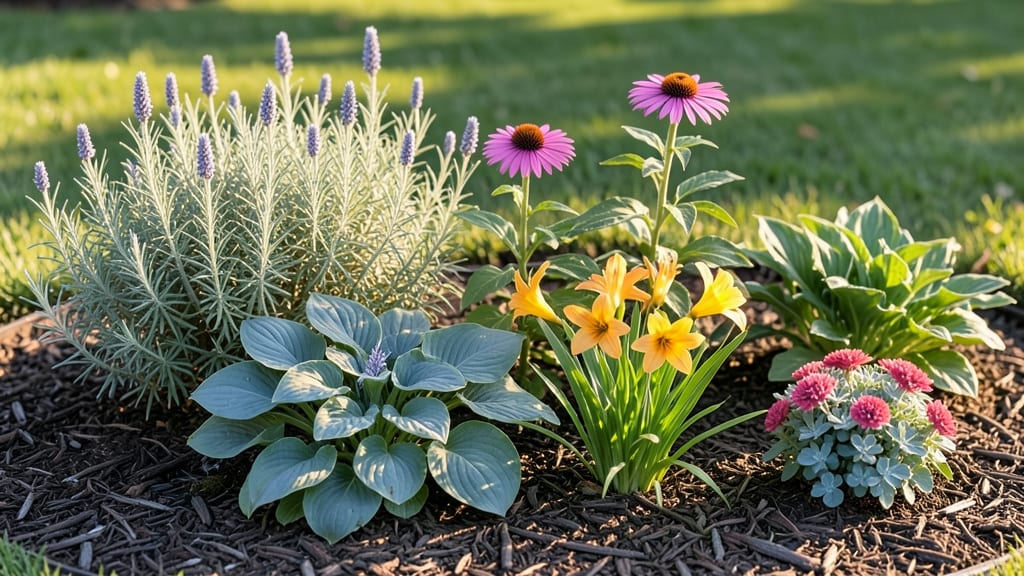
Examples of perennials include lavender, hostas, and daylilies, which deliver vibrant seasonal blooms and lush foliage while requiring minimal upkeep. These resilient plants regrow each year, providing lasting color and texture to gardens with little effort.
Perennials stand out because they establish deep root systems that make them drought-resistant and self-sustaining once established. 🌱 Unlike annuals that need replanting yearly, perennials like black-eyed Susans or Russian sage return stronger each season, often with more abundant blooms.
The trade-off? Some require patience during their first year as they focus on root growth before flowering.
For gardeners with specific conditions, cone flowers thrive in full sun while heucheras add striking foliage in shady spots. Mixing these with sedum (for drought tolerance) or coral bells (for versatile colors) creates dynamic borders that evolve with the seasons.
The key is matching plants to your light conditions—most perennials actually reward proper placement with years of effortless beauty.
💡 In This Article
- Why Perennials Outperform Annuals in Long-Term Gardens
- Top 5 Perennials for Shade, Sun, and Mixed Borders
Top 5 perennials for shade, sun, and mixed borders
Perennials offer unmatched versatility in garden design, thriving in everything from deep shade to full sun. For sun-loving spots, cone flowers (Echinacea) stand out with their daisy-like blooms in vibrant pinks, purples, and whites.
These hardy plants grow 2-4 feet tall and attract pollinators like bees and butterflies, while their deep roots make them drought-tolerant once established. 🌸 In contrast, black-eyed Susans (Rudbeckia) provide cheerful yellow flowers that bloom from summer to fall, thriving in full sun to partial shade and adding a pop of color when many other plants fade.
Shady areas benefit from heucheras (Coral Bells), prized for their stunning foliage in shades of purple, silver, and lime green. These perennials grow 12-18 inches tall and prefer partial to full shade, making them perfect for woodland gardens or under trees.
Their delicate flowers add a subtle touch of pink or white in spring. For more height and texture, astilbes create feathery plumes in pink, red, or white, growing 1-3 feet tall in moist, well-drained soil with partial shade protection.
Mixed borders shine with Russian sage (Perovskia), a drought-resistant perennial that thrives in full sun and produces fragrant lavender-blue flowers from mid-summer to fall. Its silvery foliage adds contrast, while its 3-4 foot height makes it ideal for back-of-border planting.
Pair it with sedum (Stonecrop), which offers succulent foliage in shades of blue, green, and red, growing 6-12 inches tall and requiring minimal water once established.
For foliage lovers, hostas deliver lush, variegated leaves in shades of green, blue, and gold, growing 1-3 feet tall in partial to full shade. Their white or lavender flowers in summer add a delicate touch, while their low-maintenance nature makes them ideal for shady garden corners.
The key to success with hostas is protecting them from deer and slugs, which find their tender leaves irresistible.
When combining these perennials, consider their mature sizes and seasonal interest. For example, cone flowers and black-eyed Susans provide summer-to-fall color, while Russian sage extends the season into late fall. Heucheras and hostas offer year-round foliage interest, with astilbes adding height and texture in spring.
Planting in odd-numbered groupings (3, 5, or 7) creates natural, balanced arrangements that feel intentional and inviting. 🌿