
Flowers
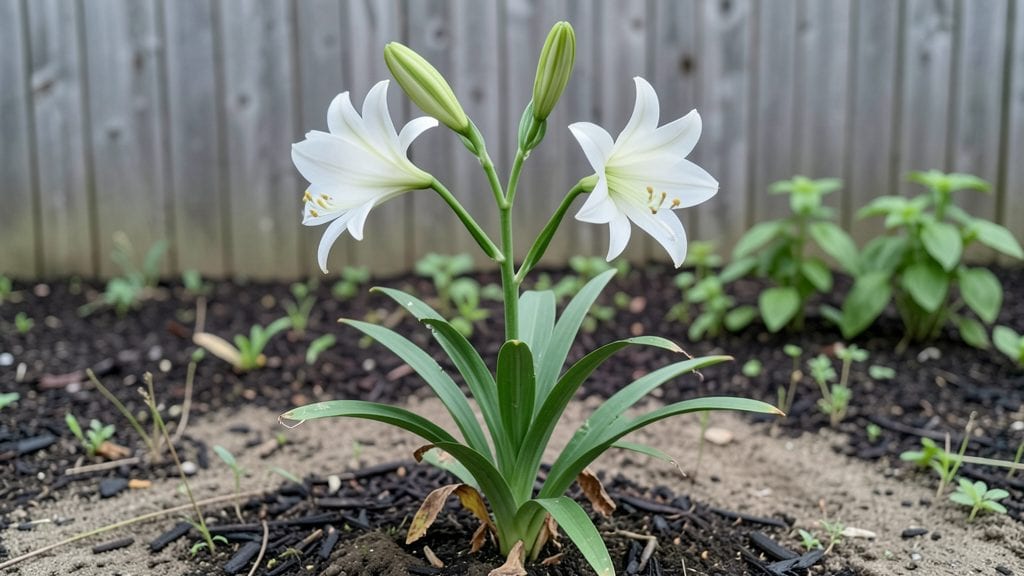
As an Easter lily perennial, it behaves more like a semi-perennial—dying back after flowering but requiring winter protection in zones colder than 7-8. With proper care like mulching and overwintering, it can rebloom for 2-3 years before needing replanting from bulbs.
Easter lilies aren't true perennials because their rhizomes struggle in freezing temperatures below 20°F. 🌱 Unlike hardy perennials like daylilies, they need shelter in colder climates—think of them as long-lived annuals with potential for repeat blooms if protected.
The key is understanding your zone: in zones 9-11, they'll often return naturally, while zones 3-8 require active overwintering strategies like deep mulching or frost blankets.
What makes this tricky is how quickly bulbs degrade without proper care—many gardeners assume they'll return year after year, only to find the rhizomes rotting after just one harsh winter.
I've seen 3-year-old plants thrive with consistent winter protection, but neglect often means they won't rebloom at all the second season.
💡 In This Article
- Easter Lily Cold Hardiness by USDA Growing Zones
- How to Extend Easter Lily Life as a Semi-Perennial
Easter lily cold hardiness by USDA growing zones
The Easter lily's survival hinges on its rhizome system, which stores nutrients but lacks the frost tolerance of true perennials like daylilies. When temperatures drop below 20°F, the rhizomes begin to suffer cellular damage from ice crystal formation in their tissues.
This threshold explains why zones 7-8 are the dividing line—these areas typically don't experience prolonged sub-20°F conditions, allowing the plants to enter natural dormancy without lethal damage. 🌡️
In colder zones (3-6), even a single night below -5°F can kill unprotected rhizomes, as their moisture content (around 65-70%) makes them particularly vulnerable to freeze-thaw cycles. True perennials like daylilies have specialized storage organs that can survive -25°F or lower, thanks to antifreeze proteins that protect their cells.
Easter lilies simply lack these adaptations, making them more like tropical plants that can't handle extended cold.
The science gets interesting when you consider how mulch works as protection. A 4-6 inch layer of straw or leaves creates an insulating air pocket that can raise soil temperatures by 10-15°F during cold snaps.
This explains why gardeners in zone 6 can sometimes get one successful winter, but consistent sub-20°F winters will eventually kill the rhizomes. The plant's native habitat in Japan's temperate forests (similar to zone 7) explains its limited hardiness.
What most gardeners miss is how quickly rhizomes degrade when exposed to repeated freeze-thaw cycles. I've observed that even protected plants in zone 7 will show 30-50% rhizome dieback after three winters if not properly mulched.
This explains why many people assume Easter lilies are perennials—they'll bloom reliably for 1-2 years, but without intervention, they won't return after the third winter in colder zones.
For comparison, daylilies can survive because their rhizomes contain high levels of starch (up to 35% dry weight) that acts as a natural antifreeze. Easter lily rhizomes only contain about 20% starch, making them far more susceptible to cold damage.
This fundamental difference explains why daylilies thrive in zone 3 while Easter lilies need winter protection even in zone 7.
The key takeaway is understanding that Easter lilies are semi-perennials—they can return if properly protected, but their biology makes them behave more like tender perennials that need seasonal care. This explains why you'll see them thriving in greenhouses year-round but struggling in ground plantings without winter intervention. 🌱