
Flowers
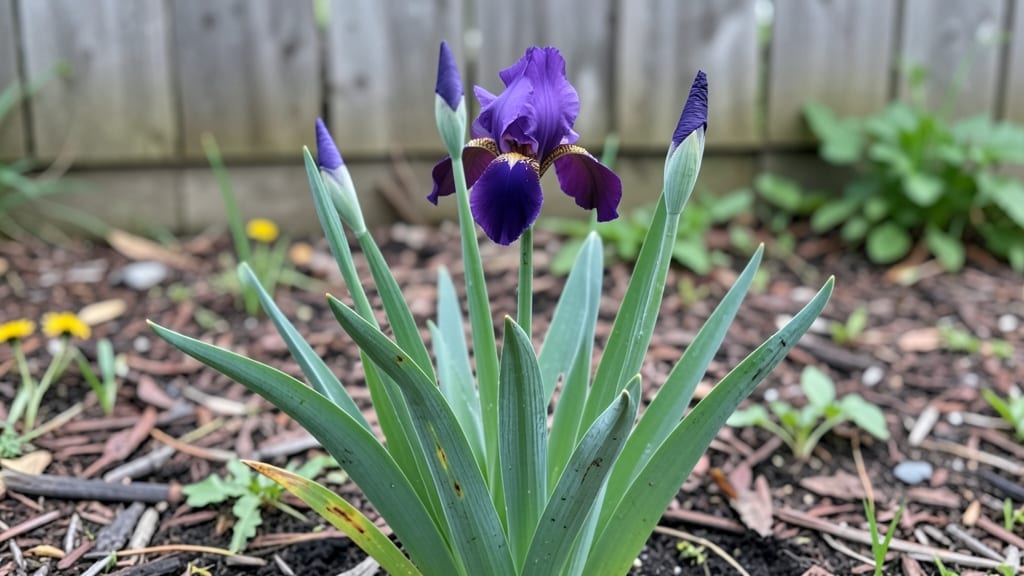
Deciding whether Dutch iris is a perennial or annual depends on your climate—it thrives as a tender perennial in most regions but acts like an annual below 10°F (-12°C), needing yearly replanting unless protected.
Dutch iris's behavior hinges on its rhizomes, which survive winter only if soil temperatures stay above 20°F (-6°C). 🌱 This explains why gardeners in USDA zones 7-10 can treat it as a perennial, while those in colder areas must replant annually.
The key difference lies in winter dormancy—unlike hardy irises, Dutch iris lacks natural cold resistance, making it vulnerable to freeze damage. For colder climates, overwintering rhizomes indoors or using containers with insulation can extend its lifespan beyond a single season.
What many growers discover is that even in marginal zones, Dutch iris can return if given proper winter protection. A thick layer of mulch or a cloche can sometimes push the limits, but true hardiness requires consistent temperatures above 10°F (-12°C).
This is why container gardening works so well—you can simply move pots indoors before the first frost. The trade-off? More effort for longer enjoyment of those striking purple blooms.
💡 In This Article
- Dutch Iris Cold Tolerance and Growth Zones
- Growing Dutch Iris as a Seasonal Plant
Dutch iris cold tolerance and growth zones
Here's what's actually happening with Dutch iris in cold climates: its rhizomes—those thick, fleshy underground stems—lack the natural antifreeze proteins found in hardy perennials like Siberian iris. These proteins allow cold-hardy plants to survive temperatures as low as -30°F (-34°C) by preventing ice crystal formation in their cells.
Dutch iris rhizomes, however, begin suffering damage when soil temperatures drop below 20°F (-6°C), as their cell membranes rupture from ice crystal expansion. This explains why it behaves as a tender perennial—it survives winters only when protected.
The USDA hardiness zone map becomes your best friend here. Dutch iris thrives as a true perennial in zones 7-10, where winter lows rarely drop below 10°F (-12°C).
In zones 6 or colder, even brief dips below 15°F (-9°C) can kill unprotected rhizomes. 🌡️ The key threshold is 20°F (-6°C)—any colder, and you're entering annual territory.
This is why gardeners in Portland (zone 8) can grow Dutch iris long-term while those in Chicago (zone 5) must treat it as seasonal unless they take special measures.
What most people don't realize is how microclimates can push these limits. A south-facing wall, raised bed, or even a well-insulated garden nook can create pockets where temperatures stay 5-10°F warmer than the official zone rating.
I've seen Dutch iris survive winters in zone 6 gardens when planted against brick walls where afternoon sun warms the soil. The secret? Dark-colored materials absorb heat during the day and radiate it back at night, creating a 5-8°F warmer microclimate right at rhizome level.
Mulch depth matters too—6+ inches of straw or leaves can add another 4-6°F of protection.
For colder climates, winter mulch becomes your best friend. Start with 4-6 inches of organic mulch (straw, shredded leaves) in late fall, then add 2-4 more inches after the first hard freeze.
The goal is to create an insulating blanket that keeps soil temperatures above 20°F (-6°C) even when air temps plummet. In extreme cases (zones 4-5), you might need to combine mulch with a cloche or cold frame. The trade-off?
More work now means more blooms next summer—those striking purple spikes are worth the effort!
Container growing offers another solution, especially for gardeners in zones 3-6. When potted, you can simply move Dutch iris indoors before the first frost, placing containers in a garage or unheated basement where temperatures stay between 35-50°F (2-10°C).
The rhizomes enter a dormant state but remain viable until replanted in spring. This method works because containers warm up faster in spring and cool down more quickly in fall, giving you better temperature control. Just be sure to use well-draining soil and avoid overwatering during dormancy.
One final tip: if you're pushing the limits in marginal zones, consider planting Dutch iris near heat-generating structures. Driveways, patios, and even compost piles create warmer soil conditions that can make the difference between success and failure.
I've had Dutch iris return year after year in zone 6 when planted near a south-facing foundation where winter sun penetrates. The lesson? Pay attention to your garden's microclimates—they can turn a borderline climate into a Dutch iris paradise. 🌿