
Size
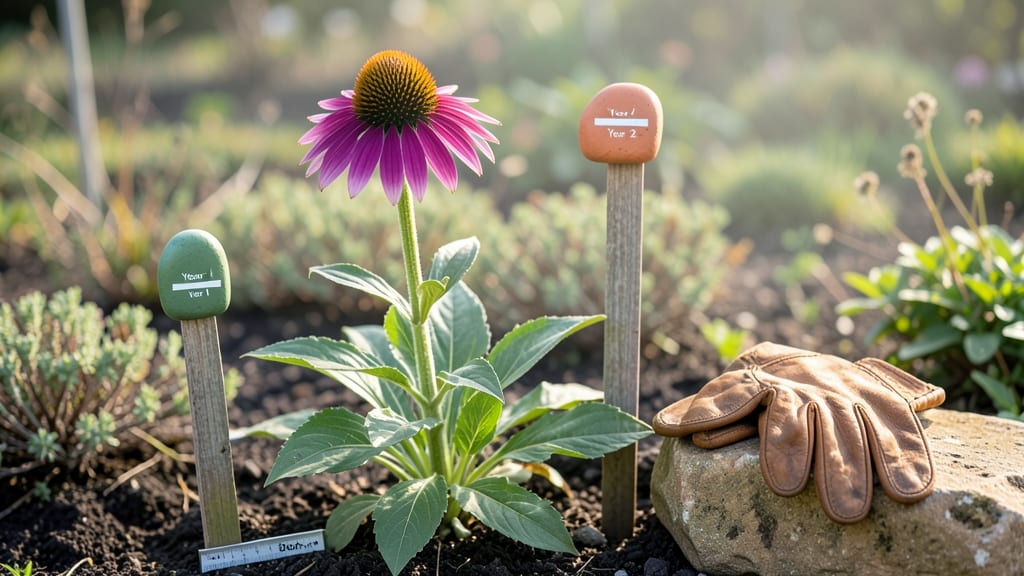
Perennials grow back each year because their root systems, stems, or rhizomes survive winter dormancy, regrowing foliage and flowers when conditions improve. Unlike annuals, they store energy underground to regenerate annually.
Perennials thrive because their underground structures—like tubers, bulbs, and rhizomes—act as natural energy banks.
These storage organs accumulate nutrients during the growing season, allowing them to push through soil and regenerate when temperatures rise. 🌱 Unlike annuals, which complete their life cycle in one season, perennials prioritize survival by redirecting resources to their roots, ensuring they bounce back year after year with minimal effort from gardeners.
This biological strategy makes perennials ideal for low-maintenance gardens. Their ability to persist through harsh winters—often without additional care—means they can dominate landscapes with minimal replanting. For example, peonies and hostas rely on their thick, fleshy roots to store starches, while daylilies use rhizomes to spread and regenerate.
Understanding these mechanisms helps gardeners choose plants that align with their climate and care capacity.
💡 In This Article
- How Perennial Root Systems Enable Annual Regrowth
- Caring for Perennials to Ensure Yearly Returns
How perennial root systems enable annual regrowth
Perennial plants rely on specialized underground structures—like tubers, bulbs, crowns, and rhizomes—to act as biological storage units. These organs accumulate carbohydrates (starches, sugars) during the growing season, which serve as fuel for regrowth when conditions improve.
For instance, a potato's tuber stores up to 75% starch by weight, while a daffodil bulb can hold 10-15% sugars to sustain its revival. This energy reserve allows perennials to survive winter dormancy, where metabolic activity slows to 1-5% of normal levels to conserve resources. 🌱
The magic happens when spring arrives. Rising temperatures and increasing daylight trigger hormonal changes that signal the roots to break dormancy. Auxin, a plant growth hormone, redistributes from storage organs to stimulate shoot growth.
In rhizomatous perennials like asparagus or iris, new shoots emerge from nodes along the underground stems, while crown-forming plants (such as hostas) regenerate from a compact stem base.
This process is finely tuned—some perennials won't sprout until soil temperatures reach 50-55°F, ensuring they time their revival with optimal growing conditions.
Not all perennials use the same strategy. Tubers (like dahlias) store energy in thickened roots, while bulbs (such as tulips) pack nutrients into layered, fleshy scales. Even woody perennials like shrubs rely on their root systems, which can extend 3-5 times wider than their canopy to access water and nutrients.
This diversity in storage structures explains why perennials thrive across climates—from arctic-alpine plants that survive subzero winters to desert perennials that endure extreme heat by going dormant during monsoons. 🌿
What most gardeners overlook is how these root systems adapt to stress. When faced with drought or poor soil, perennials prioritize root growth over foliage, expanding their network to access deeper moisture.
For example, black-eyed Susans can reduce above-ground growth by 60-70% during dry spells but still regenerate robustly the next season. This resilience comes from their ability to "bank" resources underground, ensuring they're never truly dependent on seasonal conditions above soil level.
Seasonal triggers play a critical role too. Day length (photoperiod) and temperature work together to wake perennials from dormancy. Short-day plants (like chrysanthemums) need 12-14 hours of darkness to break dormancy, while long-day plants (such as peonies) respond to increasing daylight.
This explains why some perennials sprout earlier in southern climates than in northern regions—even the same species may have slightly different revival timelines based on latitude. 🌍
Consider the case of hostas, which store energy in their thick, fleshy roots. After a 10-12 week dormancy period, these roots begin producing new shoots when soil temperatures stabilize above 45°F. The key is their ability to maintain 50-60% moisture content in their roots during winter, preventing desiccation.
This moisture reserve, combined with stored starches, gives hostas the energy to push through frozen ground—a feat that would be impossible for annuals or shallow-rooted plants.