
Size
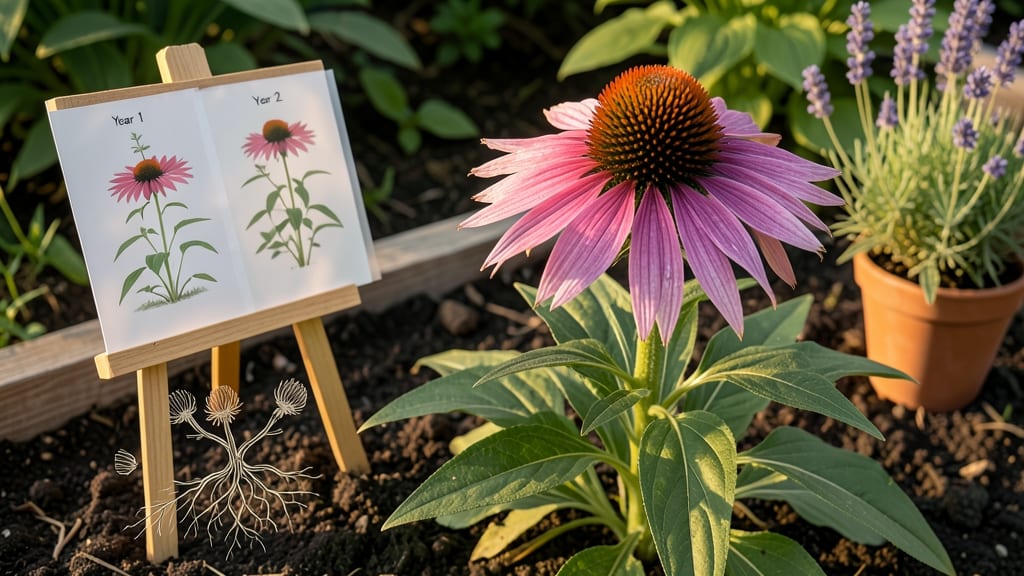
Perennials do grow every year, but their growth cycle includes seasonal dieback—roots and rhizomes remain active underground while foliage or stems retreat in winter, then regrow when conditions improve. This dormancy isn’t death but a survival strategy for multiple harvests or blooms.
This might sound confusing at first—after all, why call them "perennials" if they seem to disappear? The key lies in their underground systems. 🌱 Many perennials store energy in bulbs, tubers, or thick roots, allowing them to "rest" above ground while staying alive below.
Think of it like hibernation: when temperatures drop, the plant conserves resources until spring's warmth triggers new growth. Some even bloom spectacularly in their second year, like peonies or hostas, proving their long-term commitment to your garden.
What sets perennials apart from annuals is this built-in resilience. While annuals complete their entire life cycle in one season, perennials invest energy in root development first. This underground network becomes their lifeline during dormancy, ready to push new shoots when conditions are right.
The trade-off? They may take 1-2 years to reach full maturity but reward you with years of low-maintenance beauty.
💡 In This Article
- How Perennial Plants Survive Winter Dormancy
- Caring for Perennials Through Their Annual Cycle
How perennial plants survive winter dormancy
Perennial plants have evolved sophisticated survival strategies that let them "disappear" above ground while staying alive below. Their secret weapon is specialized underground storage organs—bulbs like tulips, tubers like dahlias, or thick rhizomes like asparagus—where they store carbohydrates, proteins, and water.
These structures can remain metabolically active even when temperatures drop below freezing, with some species like crocuses surviving at -30°F thanks to antifreeze proteins in their cells. 🌱
The dormancy trigger is a combination of temperature and daylight hours. Most temperate perennials detect shortening daylight in fall, which signals their bodies to stop producing chlorophyll and redirect energy to root systems.
The cold itself then hardens their tissues—similar to how maple trees produce antifreeze compounds to survive winter.
Tropical perennials, like elephant ears, use a different strategy: they die back when soil temperatures drop below 55°F, sending all energy to their corms (underground stems) which can remain dormant for months.
What's fascinating is how these plants "know" when to wake up. In spring, rising soil temperatures (typically above 50°F) combined with increasing daylight trigger hormonal changes that restart growth. The roots begin photosynthesizing in the dark—yes, roots can photosynthesize!—producing sugars that fuel new shoot development.
This explains why perennials often emerge 2-4 weeks before annuals planted in the same season, giving them a competitive edge. 🌿
The dieback process varies dramatically between species. Some, like beard tongue (Penstemon), shed their entire above-ground structure but keep their root crowns alive, while others like lamb's ear (Stachys byzantina) simply turn brown but remain green at the base.
Even tropical perennials that appear dead in winter may have 1-2 inches of living tissue below the soil surface, ready to sprout when conditions improve. This diversity shows how perennials have adapted to survive in nearly every climate zone.
One common misconception is that all perennials go completely dormant. In reality, some—like rosemary or lavender—are evergreen perennials that maintain green foliage year-round in mild climates. Their survival strategy involves producing oils that act as natural antifreeze and protect their leaves from freezing.
This explains why you might see "dead" stems in winter that actually contain living tissue capable of regrowth when temperatures rise. 💫
Understanding these mechanisms helps explain why perennials can live for decades. A 100-year-old peony bush isn't just old—it's the result of a plant that's perfected its energy storage and regrowth cycle over generations.
The same principles apply whether you're growing hostas in Zone 5 or ginger in Zone 10, making perennials one of nature's most efficient survival machines. The key takeaway? That "dieback" you see isn't failure—it's the plant's way of saying, "I'll be back stronger next year."