
Plants
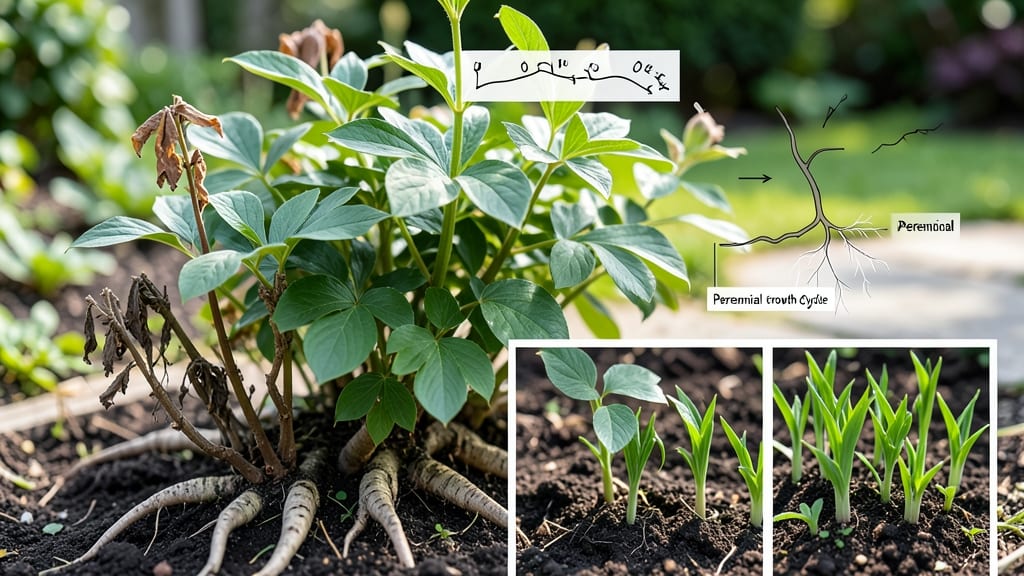
Yes, perennials come back every year in their ideal growing conditions, relying on underground storage organs like roots or rhizomes to endure winter dormancy, though some may lose foliage or stems before rebounding in spring.
This annual return isn't automatic—it depends on the plant's cold hardiness zone and how well it's cared for. 🌱 For example, peonies and hostas thrive in zones 3-9, while tender perennials like cannas need winter protection.
The key is their ability to store energy underground, which fuels regrowth when temperatures rise. Even if tops die back, those roots hold the secret to next year's blooms.
What sets perennials apart from annuals is this built-in resilience. While annuals complete their life cycle in one season, perennials invest energy into developing strong root systems that persist through harsh conditions. This makes them low-maintenance stars for gardeners who want long-term beauty with minimal replanting.
💡 In This Article
- How Perennial Plants Survive Winter Dormancy
- Caring for Perennials to Ensure Yearly Regrowth
How perennial plants survive winter dormancy
The secret to perennial survival lies in their underground storage systems, which act like nature's built-in batteries. These plants store carbohydrates and nutrients in roots, tubers, or rhizomes during the growing season, then tap into these reserves when winter arrives.
For example, a peony's thick, fleshy roots can contain enough energy to fuel new growth even after temperatures drop to -30°F in zone 3. This stored energy allows the plant to push out new shoots as soon as soil temperatures rise above 50°F in spring.
Cold hardiness zones (1-11) determine which perennials thrive where, with zone 3 being the toughest and zone 11 the mildest.
A hardy perennial like Russian sage (Perovskia atriplicifolia) can survive zone 4 winters with minimal protection, while tender perennials such as lavender (Lavandula) need winter mulch in zone 6 to prevent freeze damage.
The key difference is in the plant's ability to enter dormancy—a metabolic slowdown that reduces water loss and energy expenditure during freezing temperatures.
Seasonal dieback is normal and often beneficial. Many perennials, including coneflowers (Echinacea) and black-eyed Susans (Rudbeckia), lose their above-ground foliage in winter but keep their roots alive. This dieback prevents energy waste on maintaining nonessential parts while protecting the plant's core survival structures.
What looks like death in winter is actually a strategic retreat—like a bear curling up in hibernation, but for plants.
Climate plays a crucial role in determining how perennials behave. In colder climates, plants develop deeper root systems to access moisture and warmth below the frost line, while in milder zones, they may grow more aggressively above ground.
For instance, hostas in zone 5 might send up shoots by early April, while those in zone 8 might wait until late February. This timing difference shows how perennials adapt their dormancy cycles to local conditions.
Even within the same species, individual plants can vary in hardiness. A well-established 5-year-old hosta plant will survive winters better than a 1-year-old one because it has built up more root mass and stored nutrients.
This is why gardeners often see perennials struggling in their first winter before becoming more resilient in subsequent years. The plant's age and size directly correlate with its ability to endure winter dormancy.
One fascinating mechanism is the production of antifreeze proteins in some perennials. These proteins, similar to those found in cold-water fish, prevent ice crystals from forming in plant cells, allowing them to survive temperatures as low as -4°F without damage.
This biological adaptation is what lets plants like creeping thyme thrive in rocky, exposed gardens where other plants would perish.