
Flowers
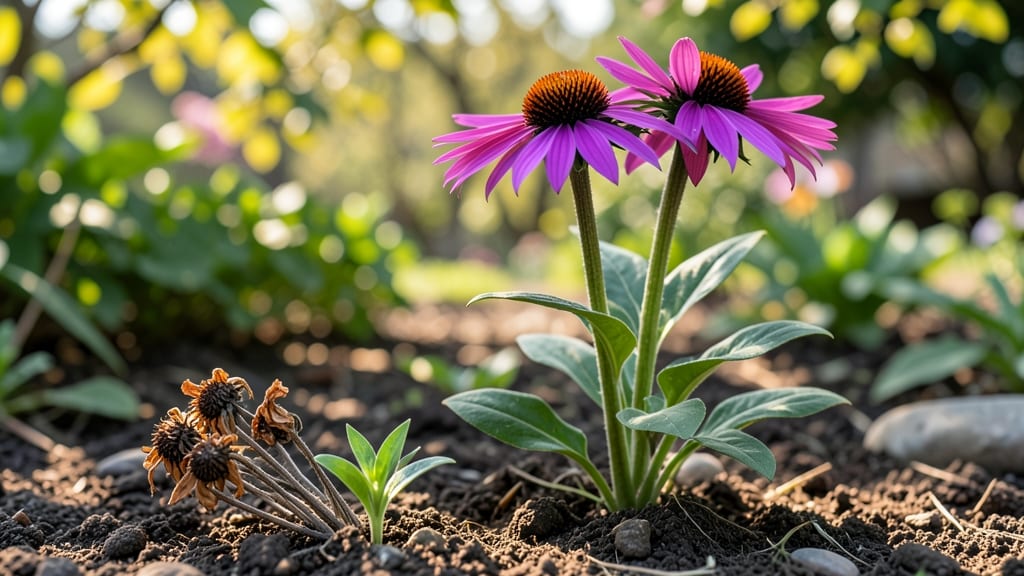
Yes, perennial flowers come back every year by storing energy underground in roots, rhizomes, or tubers, then regrowing from these reserves when conditions improve—though some may appear dormant or die back during winter or drought before rebounding in spring or after rain. Proper care ensures reliable returns annually.
This resilience comes from their underground storage systems, which act like a natural battery. 🌱 During the growing season, perennials absorb sunlight and convert it into energy stored in their roots or bulbs, allowing them to survive harsh conditions.
Many gardeners assume dead foliage means the plant is gone, but often it's just lying low until conditions are right for regrowth. The key is understanding which perennials are true hardy types versus those that might need extra protection in extreme climates.
For example, peonies and daylilies are classic perennials that reliably return each spring, while others like certain types of heuchera might need winter mulch to protect their crowns. The magic happens in late winter when rising temperatures trigger new shoots—sometimes even before you see any visible growth above ground.
This biological strategy is why perennials are such a favorite among gardeners looking for low-maintenance beauty that pays dividends year after year.
💡 In This Article
- How Perennial Flowers Survive Winter Through Underground Storage
- Tips to Ensure Your Perennials Return Year After Year
How perennial flowers survive winter through underground storage
Perennial flowers rely on specialized underground structures—roots, rhizomes, tubers, or bulbs—to act as natural energy reserves. During the growing season, these plants perform photosynthesis, converting sunlight into glucose through their leaves.
About 60-70% of this energy gets transported underground and stored as starch in roots or bulbs, while the remaining 30-40% fuels current growth. This stored energy becomes their lifeline during dormancy, powering new shoots when conditions improve. 🌱
The trigger for regrowth is a combination of temperature shifts and moisture availability. Most perennials need soil temperatures to reach 50-55°F before breaking dormancy, which typically happens in late winter or early spring.
For example, daffodils (which have bulbs) can sense when soil temperatures stabilize above 45°F, while peonies (with thick roots) wait for 55-60°F soil warmth. The moisture component is equally critical—dry conditions can delay regrowth even if temperatures are ideal.
Different storage types serve unique purposes. Rhizomes like those in iris spread horizontally underground, creating multiple growth points. Tubers such as dahlias store energy in thickened underground stems, while bulbs (like tulips) have layered structures with protective scales.
This diversity explains why some perennials rebound quickly after dieback—because their storage systems are designed for resilience. The energy stored can last 6-12 months depending on the species and environmental conditions.
What most gardeners don't realize is how photosynthesis continues to replenish these reserves even after foliage dies back. For instance, hostas and heucheras keep their roots active until frost, continuing to absorb nutrients.
This means proper fall care—like leaving dead foliage until spring—can actually help insulate these storage organs and preserve energy for next year. The trade-off is that if you remove all foliage too early, you might be depriving the plant of its last chance to recharge. 💫
Consider the case of coneflowers (Echinacea), which store energy in their deep taproots. These roots can extend 3-5 feet underground, allowing the plant to access moisture and nutrients even during drought.
When spring arrives, the root system sends up new shoots from multiple points along its length, creating dense clumps. This is why coneflowers often appear stronger each year—they're not just returning, but actually expanding their underground network.
The science behind this survival strategy is fascinating. Plants enter dormancy when daylight hours shorten and temperatures drop, triggering hormonal changes. The hormone abscisic acid accumulates in the storage organs, signaling the plant to stop growth and enter a state of suspended animation.
Meanwhile, antioxidants in the roots protect cellular structures from freezing damage. When conditions improve, another hormone—gibberellin—kicks in, stimulating cell division and shoot growth.
This biological mechanism is why perennials often outlast annuals in the same garden conditions. While annuals complete their entire life cycle in one season, perennials invest their energy in long-term survival structures.
The result? A garden that requires less replanting and more consistent beauty year after year. Understanding these processes helps gardeners make smarter decisions about plant placement, winter protection, and seasonal care. ✨