
Flowers
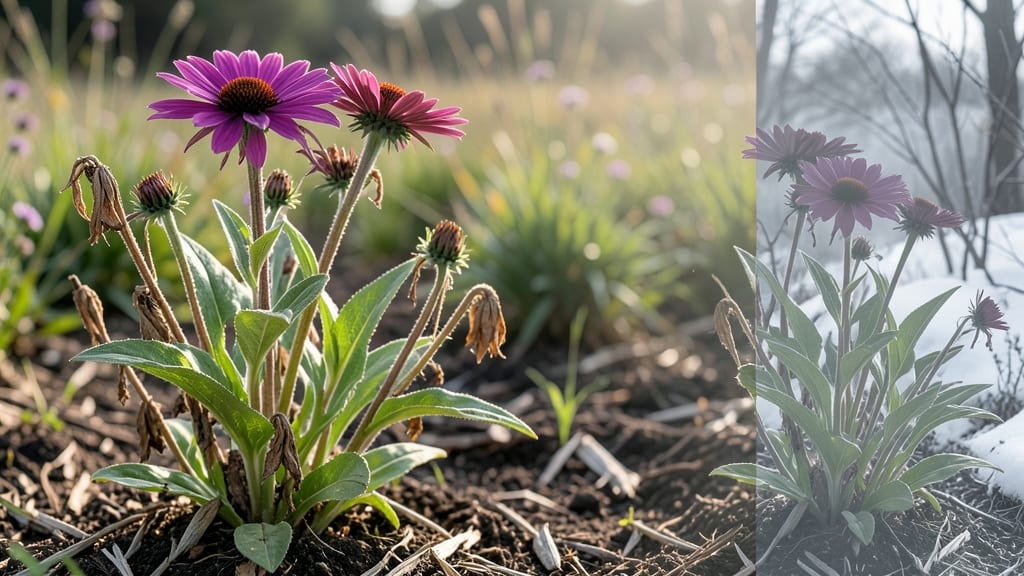
Yes, perennial flowers do come back each year if planted correctly, as their deep root systems survive winter dormancy. Proper soil conditions, sunlight exposure, and matching hardiness zones are key to reliable regrowth, though many varieties benefit from occasional division after 3-5 years.
Perennial flowers earn their name because they return season after season, thanks to their specialized root systems that store nutrients underground. 🌱 Unlike annuals, which complete their life cycle in one growing season, perennials develop deep roots that remain dormant during winter but spring back to life when temperatures rise.
The secret lies in their hardiness zone compatibility—plants adapted to your climate's coldest temperatures will naturally regenerate, while mismatched varieties may struggle. I've seen daylilies and coneflowers thrive for decades with minimal care, proving that patience pays off when planting these long-term beauties.
What often trips up gardeners is assuming all perennials are equal—some, like peonies, establish slowly but reward you with decades of blooms, while others like black-eyed Susans may need annual division to prevent overcrowding.
The real magic happens when you match plants to your specific growing conditions: well-draining soil, proper sunlight, and consistent moisture during establishment make all the difference in ensuring those roots survive winter's challenge.
💡 In This Article
- How Perennial Roots Survive Winter Dormancy
- Tips to Maximize Perennial Flower Return Year After Year
How perennial roots survive winter dormancy
The secret to perennial flowers returning year after year lies in their specialized root systems. Most perennials develop either taproots (like peonies) that grow deep into the soil or fibrous roots (like hostas) that spread horizontally.
These roots act as natural storage units, accumulating starches and sugars during the growing season that fuel regrowth in spring. For example, a peony's taproot can extend 3-4 feet deep, while a daylily's fibrous system spreads 2-3 feet wide—both designed to access moisture and nutrients while avoiding winter's harshest temperatures.
Cold tolerance varies dramatically between species, which is why hardiness zones matter so much. Plants like Russian sage (USDA zones 4-9) can withstand -30°F winters, while tropical perennials like canna lilies (zones 8-11) struggle below 20°F.
The biological trigger for dormancy is a combination of shorter daylight hours and cooling soil temperatures—when roots detect temperatures consistently below 50°F for several weeks, they begin converting stored carbohydrates into protective compounds that prevent cell damage.
This process, called endodormancy, essentially puts the plant into a metabolic hibernation state.
Spring regrowth begins when soil temperatures rise above 50°F and daylight increases. The roots' stored energy kickstarts shoot growth, with some species like bleeding heart emerging as early as March in zone 5, while others like black-eyed Susan wait until May.
The timing depends on each plant's evolutionary adaptations—early bloomers often have deeper roots that warm up faster, while later varieties prioritize building root mass before sending up foliage. This biological timing explains why some perennials appear more reliably than others in your garden.
One common misconception is that all perennials survive winter equally well. In reality, root insulation plays a crucial role—mulch (at least 3 inches of straw or leaves) can protect shallow roots from extreme temperature fluctuations.
I've noticed that woody perennials like butterfly bush often handle cold better than herbaceous types because their lignified stems act as additional insulation. Even within the same species, younger plants with smaller root systems are more vulnerable to winter kill than established ones with mature storage reserves.
Hardiness zones provide a useful guideline but don't tell the whole story. Microclimates—like south-facing slopes that warm up faster—can allow zone 6 plants to thrive in zone 5 gardens. Conversely, low-lying areas with cold air pooling may require 1-2 zone harder varieties.
For instance, coral bells (Heuchera) in zone 4 might need the 'Palace Purple' cultivar (rated for zone 3) to ensure survival through -40°F winters. Understanding these nuances helps explain why some perennials return reliably while others disappoint year after year.
What most gardeners don't realize is that root health during dormancy affects next year's blooms. Even if tops die back completely, the roots continue respiring at a reduced rate, consuming their stored energy.
This is why overwatering in fall can be deadly—it forces roots to use precious reserves to process excess moisture. The key is maintaining just enough moisture to prevent desiccation while avoiding conditions that promote rot. Proper winter care sets the stage for the spectacular displays we enjoy each spring. 🌿