
Pests and Diseases
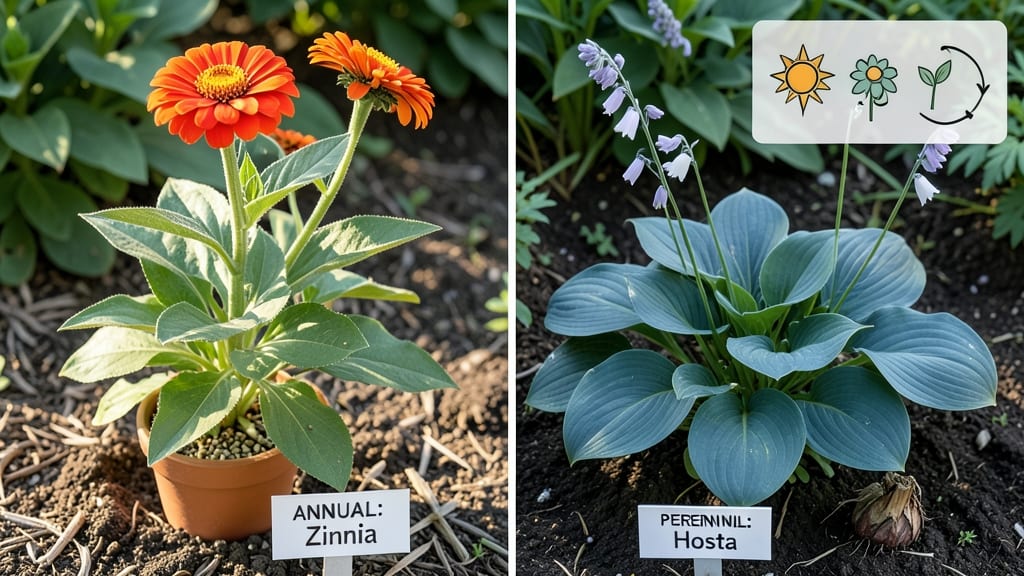
To define annuals and perennials, focus on their lifespan: annuals thrive for one growing season, producing flowers and seeds before dying, while perennials survive multiple years by regrowing from roots or underground stems each spring. This fundamental difference shapes how you plan and maintain your garden.
Understanding these plant categories helps you create a garden that thrives year after year. Annuals like marigolds or zinnias deliver quick bursts of color but require replanting annually, while perennials such as lavender or coneflowers establish themselves over time, returning with minimal effort. 🌱 The trade-off?
Annuals give you seasonal flexibility, while perennials build soil health and reduce long-term maintenance. Many gardeners combine both for seasonal variety and low-maintenance beauty.
For example, I use annuals like petunias to fill gaps between perennials, creating instant impact, while relying on daylilies and black-eyed Susans for structure. The key is matching each plant's lifespan to your gardening goals—whether you prioritize seasonal changes or permanent landscapes.
💡 In This Article
- How Plant Lifespans Determine Growth Patterns
- Choosing Annuals vs Perennials for Your Garden
How plant lifespans determine growth patterns
Annuals follow a biological race against time—growing as fast as possible to complete their life cycle within one growing season. Their strategy involves rapid seed germination, aggressive root development, and early flowering to ensure seed production before frost.
For example, sunflowers can grow 10+ feet tall in just 80-120 days, dedicating nearly all their energy to reaching reproductive maturity. This fast-paced growth contrasts sharply with perennials, which prioritize survival over speed, allocating resources to build robust root systems that store nutrients for future seasons.
The key difference lies in their root structures. Annuals develop shallow, fibrous roots that spread quickly to absorb water and nutrients efficiently, while perennials invest in deep, woody roots or underground stems (like rhizomes or tubers) that act as energy reserves.
Consider peonies: their thick, fleshy roots store starches for decades, allowing them to push through frozen ground each spring with minimal new growth.
This biological trade-off explains why annuals like zinnias produce hundreds of seeds in a single season, while perennials like hostas focus on expanding their root networks year after year. 🌱
Climate zones dramatically influence these growth patterns. In USDA Zone 5 (where winters drop below -15°F), annuals like pansies thrive because they complete their cycle before frost, while perennials such as Russian sage need cold-hardy root systems to survive.
Meanwhile, in Zone 10 (mild winters), some plants classified as annuals in colder regions—like sweet potatoes—become perennials because they can regrow year-round. The plant's ability to adapt its lifespan strategy to local conditions reveals nature's remarkable flexibility in survival tactics.
Seasonal adaptations also play a crucial role. Annuals time their life cycles to bloom when pollinators are most active, often producing flowers within 6-8 weeks of germination. Perennials, however, spread their flowering over months, creating prolonged interest.
Take black-eyed Susans: they flower from mid-summer to fall, while annual marigolds may bloom for just 8-10 weeks before setting seed. This timing difference explains why gardeners use annuals for instant color and perennials for seasonal continuity.
The energy allocation between growth and reproduction highlights another critical distinction. Annuals channel nearly all their resources into flowering and seed production, often at the expense of vegetative growth. Perennials, however, balance growth and reproduction, dedicating energy to both leaf production and flower development.
This explains why perennials like coneflowers can live for 20+ years while producing abundant flowers each season, whereas annuals like cosmos may produce thousands of seeds in a single season but die afterward. 🌸
Understanding these biological mechanisms helps explain why gardeners might struggle with annuals in short seasons or why perennials sometimes take 2-3 years to reach their full potential.
The plant's lifespan strategy isn't just about how long it lives—it's about how it allocates energy to survive, reproduce, and adapt to environmental pressures. This fundamental difference shapes every aspect of gardening, from planting schedules to soil preparation and maintenance strategies.