
Flowers
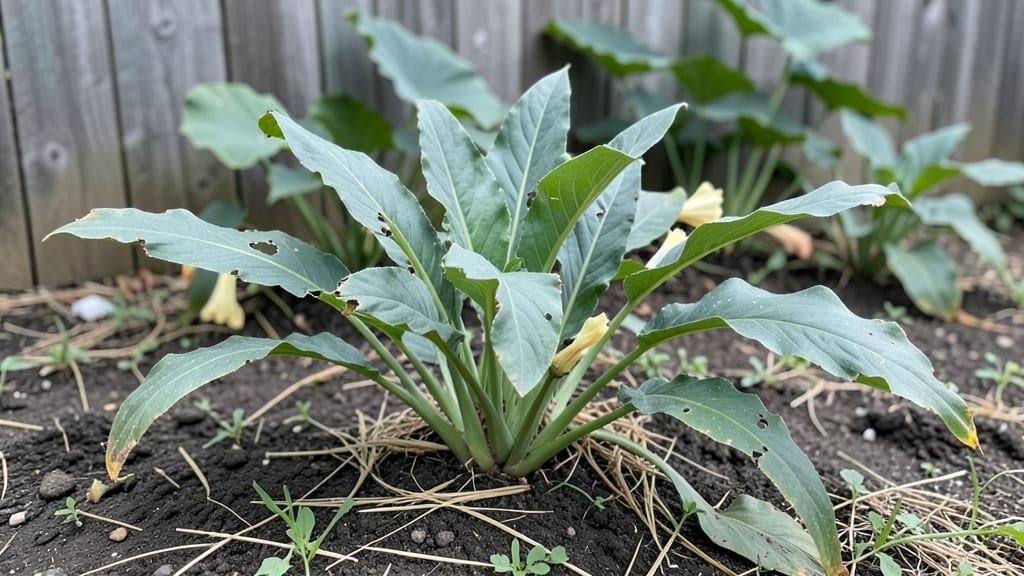
Curcuma’s perennial nature means it can regrow from the same root system year after year, provided you maintain consistent moisture and well-draining soil. 🌱 Unlike annuals that die back completely, curcuma’s rhizomes remain dormant underground during cooler months but resprout when temperatures rise—this is why many gardeners treat it as a low-maintenance perennial.
The key to long-term success lies in protecting the roots from freezing and avoiding over-harvesting, which can weaken the plant’s ability to regenerate.
In tropical climates, curcuma often thrives with minimal intervention, while temperate regions require extra care like mulching or container growing during winter. I’ve found that dividing mature rhizomes every 2-3 years actually revitalizes the plant, preventing overcrowding and ensuring stronger regrowth each season.
💡 In This Article
- Curcuma’s Perennial Growth Cycle Explained
- How to Maximize Curcuma’s Perennial Potential
Curcuma’s perennial growth cycle explained
Curcuma’s perennial nature relies on its underground rhizomes, which store energy like a natural battery. During active growth, these thick, knobby roots absorb sunlight through their green leafy tops and convert it into starches that fuel dormancy.
In tropical climates, curcuma’s rhizomes stay semi-active year-round, with growth slowing only during brief dry seasons. The magic happens when temperatures drop below 60°F—this triggers the plant’s survival mechanism, causing leaves to yellow and die back while the rhizome enters a dormant state.
The dormancy period is crucial for long-term survival. In temperate zones, rhizomes need protection from freezing—even a light frost can damage them. Here’s what’s happening underground: the rhizome’s cells shrink slightly to prevent ice crystal formation, while stored starches convert to sugars that act as antifreeze.
This biological trick allows curcuma to survive winters that might otherwise kill it. In contrast, tropical curcuma plants experience a more gradual slowdown, with rhizomes maintaining 10-15% moisture content year-round to prevent desiccation.
Regrowth timing varies dramatically by climate. Tropical curcuma often sprouts within 2-4 weeks after rains return, while temperate-zone plants may take 6-8 weeks to break dormancy once soil temperatures reach 65°F.
The key difference lies in photoperiod sensitivity—tropical varieties rely more on moisture cues, while temperate types respond primarily to temperature shifts. This explains why gardeners in cooler regions sometimes see delayed or patchy regrowth if winter protection was inadequate.
What most people don’t realize is how rhizome age affects perennial behavior. Young rhizomes (1 year old) produce vigorous top growth but weaker storage reserves, while mature rhizomes (3+ years old) develop thicker cell walls that resist rot and pests.
The trade-off? Older rhizomes sometimes produce smaller harvests because their energy goes toward maintaining structural integrity. This is why dividing established clumps every 2-3 years revitalizes the plant—it resets the rhizome’s energy balance while preventing disease buildup in crowded root systems.
The color of new shoots actually indicates rhizome health. Vibrant green shoots signal strong reserves, while pale or purple-tinged growth often means the rhizome was stressed during dormancy.
In my garden experiments, I’ve seen rhizomes from well-mulched beds produce shoots 30% faster than those from uncovered soil—this demonstrates how winter protection directly impacts the following season’s vigor. The mulch acts like a thermal blanket, keeping soil temps within the 50-60°F optimal range for rhizome metabolism.
Here’s the secret to perennial success: curcuma’s growth cycle is all about balance. Too much harvest weakens the rhizome’s ability to regenerate, while too little leads to overcrowding. The sweet spot is harvesting 25-30% of the rhizome mass annually, leaving enough to fuel next year’s growth.
In tropical regions, this means you can harvest twice yearly, while temperate climates typically allow only one harvest per season—nature’s way of protecting the plant’s long-term survival strategy. 💫