
Container Gardens
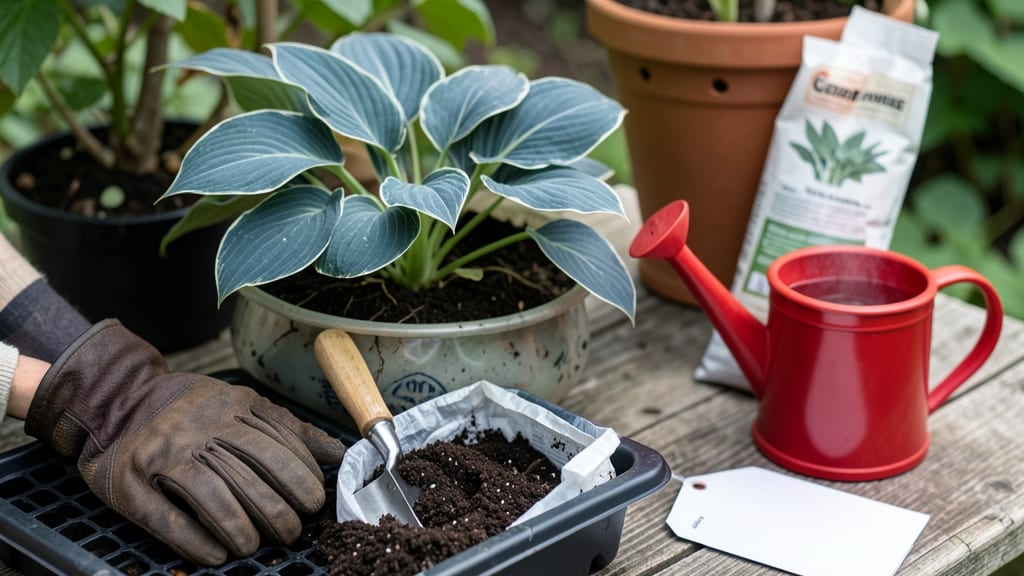
Yes, perennials can be planted in pots when you choose the right varieties and provide proper care. Compact species like lavender, sedum, or heuchera adapt well to containers with adequate drainage and sunlight.
Container gardening opens up endless possibilities for perennials, especially when you select plants that naturally stay small and have moderate root systems. Dwarf varieties are ideal because they won’t outgrow their pots quickly, but even some medium-sized perennials can work if given enough depth—at least 12 inches—and proper soil drainage. 🌱 The key is balancing moisture retention with aeration; too much water can lead to root rot, while poor drainage causes nutrient loss.
I’ve found that adding a layer of gravel at the bottom of pots helps prevent waterlogging while still allowing roots to access oxygen.
What’s interesting is how sunlight needs vary by species. Some perennials, like heuchera, tolerate partial shade, while others, such as lavender, require full sun to thrive.
Always match your plant’s light preferences to the location of your containers—south-facing windowsills or balconies are great for sun-lovers, while north-facing spots work better for shade-tolerant types. Regular pruning also plays a big role in keeping perennials healthy in pots by encouraging bushier growth and preventing overcrowding.
💡 In This Article
- Key Factors for Growing Perennials in Containers
- Top 10 Perennial Plants Perfect for Pots and Tips for Success
Key factors for growing perennials in containers
Root space is the single most critical factor for container-grown perennials. Unlike in-ground plants, perennials in pots have limited soil volume, which means their roots compete aggressively for nutrients and water.
For example, a 12-inch-deep pot might support a small heuchera for 3-4 years, but the same plant would thrive for decades in garden soil.
The key is selecting varieties with naturally shallow root systems—like sedum or dwarf coneflowers—which max out at 12-18 inches deep rather than spreading horizontally like peonies.
Moisture retention becomes a delicate balance in containers. Pots dry out 3-5 times faster than garden beds because exposed soil loses water through evaporation. This is why I recommend using a well-draining potting mix with 20-30% perlite or vermiculite—it prevents compaction while allowing excess water to escape.
The pH level also matters: most container perennials prefer slightly acidic to neutral soil (pH 6.0-7.0), as alkaline conditions can lock out essential nutrients like iron, causing yellowing leaves. 🌿 A simple soil test kit helps avoid this common pitfall.
Sunlight exposure directly impacts growth patterns. Perennials like lavender need 6+ hours of direct sun daily to prevent legginess, while hostas thrive in partial shade (3-6 hours of sun) to avoid scorching. The trick is observing your containers' microclimates—north-facing pots stay cooler, while south-facing ones can hit 90°F+ in summer.
If your balcony gets intense afternoon sun, opt for heat-tolerant varieties like black-eyed Susan vine (Thunbergia alata), which handles full sun with afternoon shade better than most.
Drainage isn't just about holes in the pot—it's about the entire system. Poor drainage leads to root rot within 7-10 days in summer heat.
I always add a 2-3 inch layer of coarse gravel or broken terracotta at the bottom before soil, then top with a 1-inch layer of horticultural grit to improve aeration. This two-layer approach prevents waterlogging while keeping roots oxygenated.
Another pro tip: use self-watering containers with built-in reservoirs for perennials like fuchsia, which wilt dramatically when thirsty but bounce back quickly when rehydrated.
Seasonal care prevents nutrient depletion in confined spaces. Perennials in pots exhaust their soil faster than in-ground plants because there's no natural replenishment from rain or decomposing organic matter.
I fertilize container perennials every 4-6 weeks during growing season with a balanced 10-10-10 formula, but switch to low-nitrogen (5-10-10) in fall to encourage root development before winter.
Mulching with 1-2 inches of shredded bark retains moisture and regulates soil temperature—critical for perennials like coral bells (Heuchera), which can suffer from temperature fluctuations.
One often-overlooked factor is container material. Terracotta pots dry out faster but breathe better for roots, while plastic retains moisture longer but can trap heat. For perennials sensitive to temperature swings (like sweet woodruff), I use glazed ceramic containers that moderate extremes.
The material also affects weight—heavy terracotta stays stable in wind, while lightweight plastic pots are easier to move for seasonal light adjustments. 🌱 For example, moving heuchera pots to brighter spots in winter prevents the "winter fade" where leaves lose their vibrant colors.