
Container Gardens
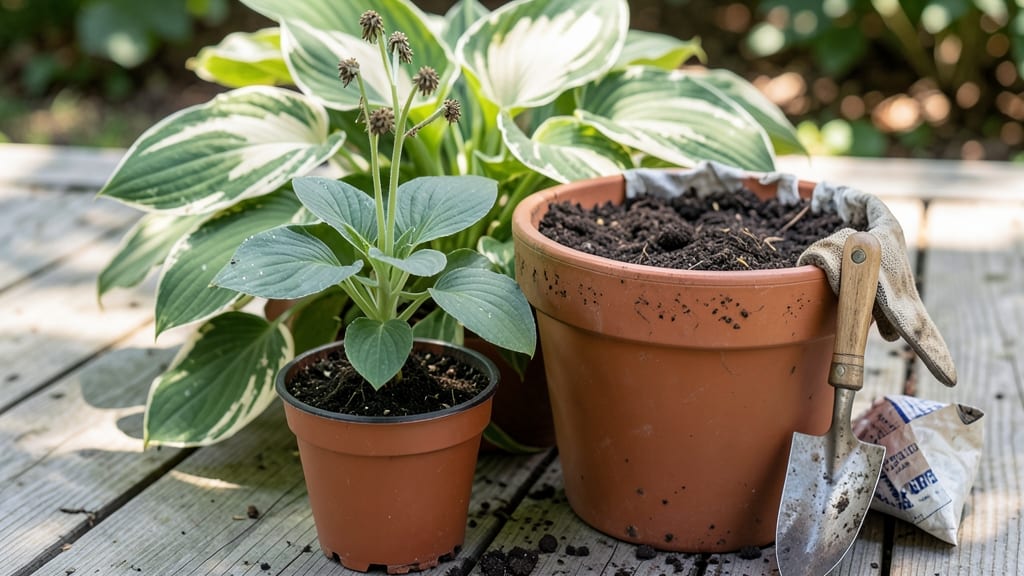
Yes, you can put perennials in pots, but choose compact varieties like lavender, sedum, or dwarf coneflowers. Ensure containers have drainage holes, use well-draining soil, and provide adequate sunlight to prevent root rot and promote healthy growth.
Putting perennials in pots is absolutely doable, but success depends on selecting the right plants and container setup. 🌱 Compact perennials with shallow root systems—such as ornamental grasses, catmint, or Russian sage—thrive in containers because they won’t outgrow their space quickly.
The key is matching the plant’s mature size to the pot dimensions, typically using containers that are at least 12 inches deep for most varieties. Unlike annuals, perennials in pots need consistent care year-round, including winter protection in colder climates to prevent freeze damage.
Another critical factor is soil composition. Potted perennials require well-draining soil mixes combined with organic matter like compost to retain moisture without suffocating roots. I’ve found that adding a slow-release fertilizer at planting time helps sustain growth, especially for nutrient-hungry varieties like black-eyed Susans.
Regularly checking soil moisture—about once a week in summer—prevents both underwatering and overwatering, which can lead to root rot or stunted growth.
💡 In This Article
- Best Perennial Species for Container Gardening
- Container Care Tips for Potted Perennials
Best perennial species for container gardening
Container gardening with perennials succeeds when you match the plant’s natural growth habits to the confined space. The best candidates have shallow root systems and compact growth patterns, allowing them to thrive without outgrowing their pots.
For example, lavender thrives in containers because its fibrous roots spread horizontally rather than deeply, making it ideal for 12-inch-wide pots. Its drought tolerance also means it needs less frequent watering than deeper-rooted perennials like peonies, which struggle in containers due to their aggressive root expansion.
Another top choice is sedum, particularly varieties like 'Autumn Joy' or 'Dragon's Blood', which have succulent-like leaves that store water efficiently. These plants handle the confined root zone well and even bloom prolifically in pots, producing clusters of pink or red flowers from late summer to fall.
The key here is their drought-resistant nature, which reduces the risk of overwatering—a common pitfall in container gardening. 🌿 For those who love color, dwarf coneflowers (like 'Proud Prairie') reach only 12-18 inches tall and produce cheerful purple blooms, making them perfect for 10-12 inch pots.
Ornamental grasses like miscanthus or fountain grass also excel in containers because their clumping growth habit fits well in 14-inch-wide pots. These grasses add texture and movement to container gardens while requiring minimal care beyond occasional trimming.
Unlike spreading grasses, which can become invasive, these varieties stay contained, making them ideal for urban balconies or patios. Their deep green or variegated foliage provides year-round interest, even when flowers fade.
Herbaceous perennials like catmint or Russian sage offer another excellent option. Catmint, for instance, spreads slowly and produces fragrant lavender-blue flowers that attract pollinators. It thrives in 10-12 inch pots with well-draining soil and benefits from occasional deadheading to encourage more blooms.
Russian sage, with its silvery foliage and spikes of blue-purple flowers, also performs well in containers, especially in full sun. Both plants are drought-tolerant once established, reducing the need for frequent watering.
When selecting perennials for containers, always check the plant’s mature size and growth rate. A good rule of thumb is to choose varieties labeled as "compact" or "dwarf" and avoid those with aggressive spreading habits, like creeping thyme or hostas, unless you’re using very large containers.
For instance, a 5-gallon pot can comfortably house one lavender bush or a small sedum plant, but it would be too small for a mature daylily, which can spread up to 2 feet wide.