
Plants
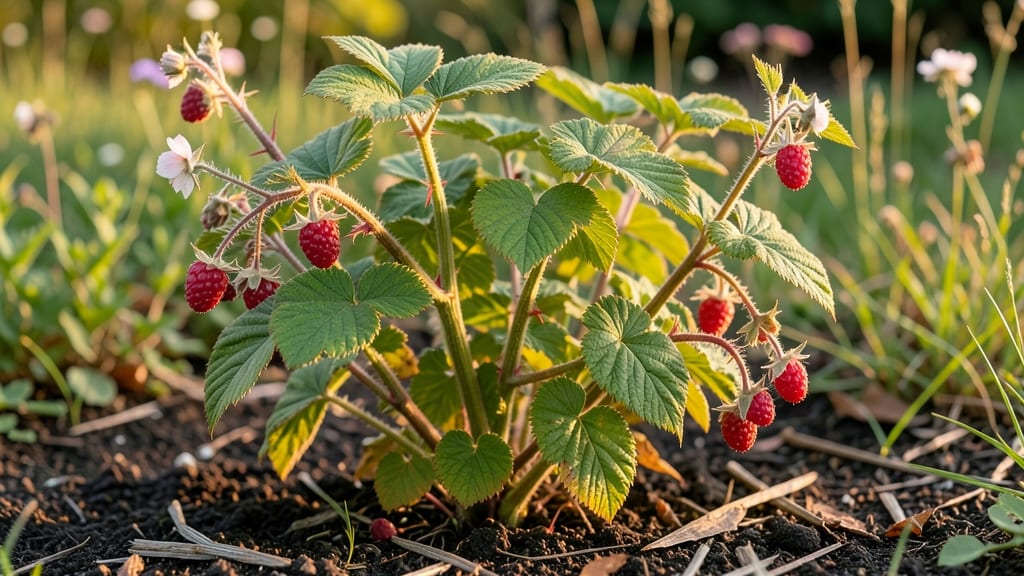
Raspberries are perennials that regrow each year in suitable climates, but their long-term survival hinges on cold hardiness zones 3 through 9, where winter dormancy and proper chilling hours trigger healthy regrowth.
This means raspberries aren't just annual plants—they develop deep root systems that persist through winters in frost-resistant zones. 🌱 The key is their ability to enter dormancy when temperatures drop, then rebound with new canes in spring.
I've seen raspberry bushes in zone 5 produce fruit for over a decade with proper care, while warmer zones like 8 or 9 may require winter protection to prevent dieback.
What sets raspberries apart from true annuals is their cane structure. Each year's growth comes from last year's roots, which store energy for regrowth. This makes them semi-hardy perennials—they'll keep coming back as long as winter conditions aren't extreme.
The challenge comes in marginal zones where cold snaps can damage canes, which is why pruning and mulching become critical practices.
For gardeners in transition zones (like 6 or 7), I recommend monitoring winter lows and using row covers or straw mulch to simulate their native cold requirements. The payoff? A productive berry patch that outlasts most vegetable crops by years. 🌿
💡 In This Article
- How Cold Hardiness Zones Impact Raspberry Plant Longevity
- Extending Raspberry Perennial Growth: Pruning and Winter Care Tips
How cold hardiness zones impact raspberry plant longevity
Raspberries thrive as perennials because their root systems remain dormant during winter, then regenerate new canes each spring. The magic happens in cold hardiness zones 3 through 9, where temperatures drop to -30°F to 20°F (-34°C to -6°C) during winter dormancy.
This chilling period—typically 400-1,000 hours below 45°F (7°C)—triggers hormonal changes that break dormancy, allowing roots to push out fresh growth. Without adequate chilling, raspberries may produce weak canes or fail to fruit properly.
The root crown, located just below the soil surface, is the plant's survival center. It contains meristematic cells that can tolerate freezing temperatures down to -25°F (-32°C) in well-established plants, but young canes are far more vulnerable.
For example, in zone 4, raspberries need 1,000+ chilling hours, while zone 8 plants require only 200-400 hours. This explains why raspberries struggle in warmer climates—they don't get enough winter chill to reset their growth cycle properly. 🌡️
What's fascinating is how raspberries adapt to their zone. In colder regions like zone 3, plants develop thicker root systems to store more energy for regrowth, while those in zone 9 may enter a lighter dormancy but still need some winter rest.
The canes themselves are woody stems that die back annually, but the roots remain alive, ready to sprout new growth when temperatures rise. This is why you'll often see raspberry patches with multiple age classes of canes—each year's growth emerges from the same root system.
Zone-specific challenges arise when temperatures fluctuate. A sudden 30°F (-1°C) warm spell in winter can trick raspberries into breaking dormancy prematurely, only to be killed by a late frost. This is why gardeners in transition zones (like zone 6 or 7) must monitor weather patterns closely.
The plant's ability to handle these swings depends on its genetic heritage—some varieties like 'Boyne' are bred for zone 3 hardiness, while others like 'Dormanred' thrive in zone 8.
One often-overlooked factor is soil temperature. Even in cold zones, if the ground stays too warm (above 50°F (10°C)), roots may not get the deep chill they need. This is why mulching with 6-12 inches of straw or leaves helps regulate soil temperatures, creating a more stable winter environment.
The mulch acts like a thermal blanket, preventing extreme temperature swings that could stress the plant's dormant tissues. 🌱
For gardeners pushing raspberries to their limits, consider these zone-specific survival tips: In zone 3, plant varieties like 'Nova' that tolerate -35°F (-37°C); in zone 9, use winter protection like row covers during cold snaps.
The key takeaway is that raspberries aren't just surviving winter—they're actively preparing for next year's harvest through this intricate balance of cold exposure and dormancy. This is what makes them true perennials in the right conditions.