
Planting
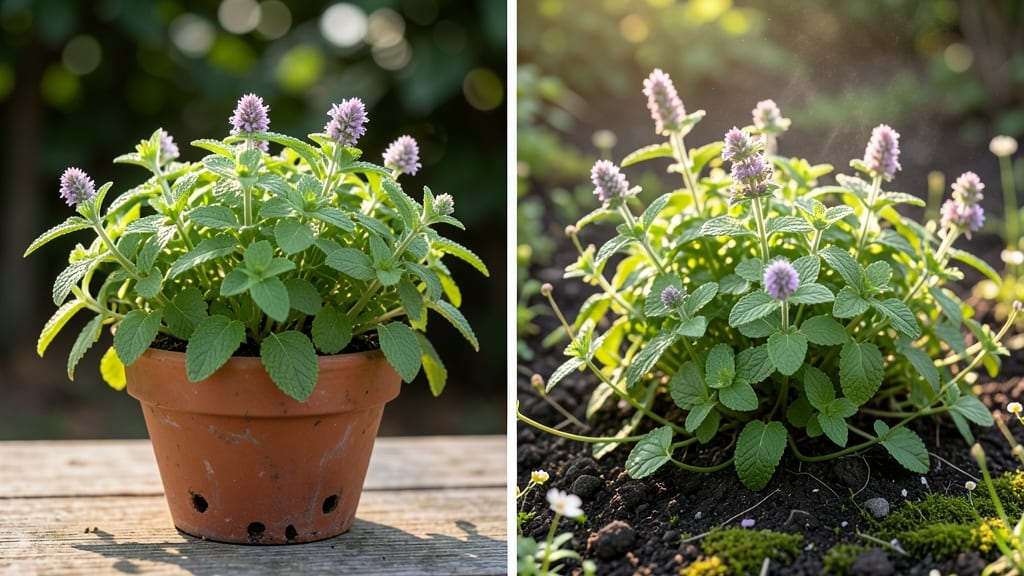
The mint plant is a perennial in USDA Zones 5-11, meaning it can regrow each spring from its roots if given proper care, though it may die back in colder climates unless you protect it or treat it as an annual. Its survival hinges on winter temperatures and soil quality.
The mint plant's perennial status depends entirely on your climate zone. In warmer regions like Zones 8-11, it thrives year-round, sending up fresh shoots after winter dormancy. 🌱 However, in colder areas (Zones 5-7), frost can kill the foliage, but the roots often survive underground.
This is why many gardeners in colder zones grow mint as an annual or take extra steps like mulching or container overwintering to protect it. The key difference lies in how well the plant's root system withstands freezing temperatures—something that varies by variety and soil conditions.
For example, peppermint and spearmint are the hardiest types, while more delicate varieties might not recover as well. If you're in a cold zone, consider planting mint in containers so you can move it indoors during winter.
This simple strategy can extend its lifespan dramatically and give you fresh herbs year after year.
💡 In This Article
- How USDA Zones Affect Mint Plant Lifespan
- Extending Mint Growth in Cold Climates
How USDA zones affect mint plant lifespan
Mint's perennial nature comes down to its robust root system, which can survive winter dormancy when protected from extreme cold. In USDA Zones 8-11, where winter temperatures rarely drop below 10°F, mint thrives year-round, sending up fresh growth from its deep roots after winter's chill.
The plant's fibrous root structure stores carbohydrates during summer, fueling regrowth when conditions improve. This is why you'll often see mint plants in warmer climates looking lush and vigorous even after frost.
The real science happens in colder zones (5-7).
When temperatures fall below 20°F, the above-ground foliage freezes and dies back, but the roots often remain viable if protected by 4-6 inches of organic mulch or snow cover. 🌱 Here's the key: mint roots can tolerate brief exposure to -5°F if the soil stays moist, but prolonged freezing (below 10°F for weeks) will kill them.
This is why gardeners in Zone 5 often see mint die back completely in harsh winters, while Zone 7 might see partial survival with proper protection.
Soil type plays a surprising role too. Mint prefers well-draining, slightly acidic soil (pH 6.0-7.0), which helps insulate roots against temperature fluctuations. In heavy clay soils, roots may freeze more easily because water expands when it freezes, damaging cellular structures.
That's why container-grown mint often survives better in cold zones—the pots provide additional insulation and easier temperature regulation than garden beds.
What most people don't realize is how mint's growth cycle adapts to seasonal changes. In spring, the plant prioritizes regrowing foliage from its root crown (the thickened base near the soil surface) before producing new roots.
This two-phase growth pattern explains why mint often looks stunted after a cold winter—it's redirecting energy to rebuild its root system before sending up new shoots. 💫 In warmer zones, this process happens continuously, while colder zones see a more dramatic seasonal reset.
Consider these hardiness thresholds when planning your mint garden:
- Zone 8-11: Fully perennial with no protection needed
- Zone 7: Perennial with 3-4 inches of mulch
- Zone 6: Perennial with 6+ inches of mulch or container growing
- Zone 5 or colder: Treated as annual unless overwintered indoors
The most cold-hardy varieties like peppermint and spearmint can push these limits slightly, but even they won't survive Zone 4 winters without protection. That's why many northern gardeners grow mint in containers that can be moved to unheated garages or greenhouses during winter. The plant's ability to regrow from just a small root piece (even a 2-inch cutting) makes this overwintering strategy particularly effective.