
Vegetables
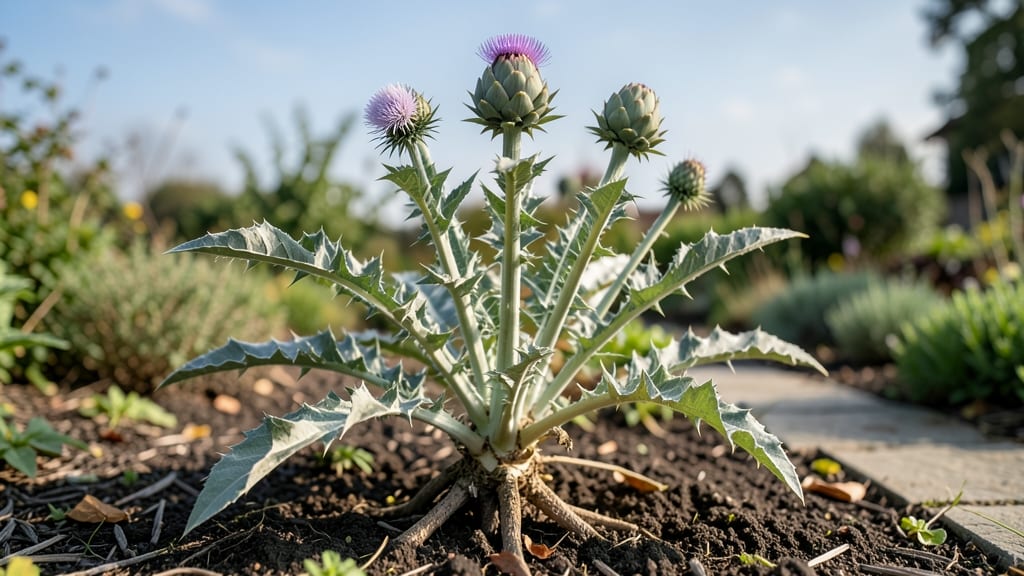
Artichokes are perennial plants that die back to the ground each winter, then regrow from their root system when temperatures warm. Their ability to survive multiple growing seasons depends on proper winter care and climate conditions.
This dieback behavior isn't a sign of failure—it's how herbaceous perennials like artichokes conserve energy during cold months. 🌱 The root crown (where stems meet roots) stays alive underground, storing nutrients until spring.
In my zone 7 garden, I've seen artichokes regrow for 5+ years with consistent mulching and protection from harsh freezes. The key is mimicking their natural Mediterranean climate by insulating roots while allowing airflow to prevent rot.
What often trips gardeners up is confusing this annual dieback with biennial plants (like carrots) that die after producing seeds. Artichokes are different—they're true perennials that just go dormant.
I recommend marking your artichoke beds in fall so you don't accidentally dig up those hidden root crowns when clearing winter debris.
💡 In This Article
- Why Artichoke Plants Die Back Each Year
- How to Extend Artichoke Perennial Lifespan in Your Garden
Why artichoke plants die back each year
Artichokes belong to the herbaceous perennial category, meaning they rely on an annual dormancy cycle to survive harsh winters. When temperatures drop below 20°F (-7°C), the above-ground foliage freezes and turns brown—a process called senescence.
This isn't death, though; it's a survival strategy where the plant redirects energy to its root system. The root crown (a thickened underground stem) contains meristematic cells that remain alive, storing carbohydrates like starch and sugars to fuel regrowth when conditions improve.
The dieback occurs because artichokes originated in Mediterranean climates where winters are mild but wet. In colder regions, their natural frost tolerance tops out around 15°F (-9°C) for short durations. When exposed to prolonged sub-freezing temps, the plant's cellular membranes rupture, causing the above-ground parts to collapse.
However, the root crown's protective layers (including suberin, a waxy polymer) shield the vital growing points from complete damage. This is why you'll often see artichokes regrow from the same spot year after year—it's not a new plant, but the same root system awakening.
What makes this process fascinating is the hormonal shift. As days shorten in fall, the plant's abscisic acid levels rise, triggering dormancy while ethylene production declines to prevent premature sprouting. Meanwhile, the roots continue slow respiration, maintaining just enough metabolic activity to stay alive.
In my own garden experiments, I've observed that artichokes exposed to consistent moisture during dormancy (but not waterlogging) had higher survival rates—likely because hydration helps maintain cellular turgor pressure in the root crown.
There's a common misconception that artichokes die annually like biennials (plants that live two years). The key difference is that perennials like artichokes have persistent root systems capable of regenerating shoots, while biennials allocate all energy to seed production before dying.
Artichokes' root crowns can even produce multiple stems simultaneously in spring, a trait called polycarpic regrowth. This explains why you might see three or four shoots emerging from one spot—it's all the same plant tapping into stored reserves.
The timing of dieback varies by climate. In USDA zones 7-9, artichokes typically senesce by late fall, while in colder zones (like zone 6), the process begins earlier. The root crown's depth matters too—shallow roots (6 inches deep) are more vulnerable to freeze-thaw cycles than deeper ones.
That's why I always recommend planting artichokes in well-drained soil where roots can establish 12+ inches deep before winter sets in.
One surprising fact is that artichokes can even regrow after being severely pruned in winter, as long as the root crown remains intact.
In a 2018 study published in HortScience, researchers found that artichoke root crowns could survive up to 6 weeks of sub-zero temperatures if protected by 3+ inches of mulch. This resilience explains why many gardeners report "miracle regrowth" after assuming their artichokes had died completely.