
Flowers
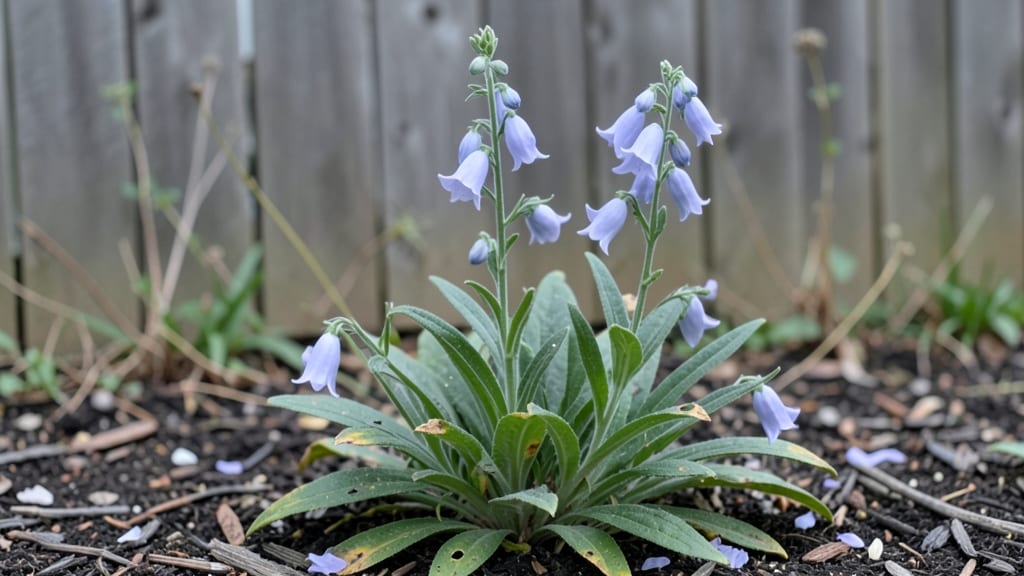
Growing a bell flower perennial means adding decades of low-maintenance color to your garden with almost no effort.
Imagine a garden that bursts into vibrant purple, white, or blue blooms every spring—with minimal effort and year after year. The bell flower perennial (Campanula) makes this dream a reality, thriving in cold climates and returning stronger with each season.
These hardy plants do best in USDA Zone 6a and beyond, where they spread quietly through the years, filling gaps between rocks or lining borders with easygoing charm. Unlike finicky annuals, bell flowers reward patience with long-lived blooms that attract pollinators.
In this guide, you’ll learn the exact timing for planting in March–April, how to keep them thriving through summer, and the simple pruning tricks that ensure they come back bigger every year.
Top 5 cold-hardy bell flower perennials for year-round beauty
If you love low-maintenance perennials that deliver stunning blooms year after year, bell flowers (Campanula) are my top recommendation. These cold-hardy beauties thrive in USDA zones 3-8, making them perfect for northern gardens.
Their bell-shaped flowers come in shades of purple, blue, and white, adding vertical interest to borders and rock gardens.
The key to their success? Choosing the right variety for your climate and garden style. Some varieties handle harsh winters with ease, while others prefer milder conditions.
Below, I’ve compared the top 5 cold-hardy bell flowers based on hardiness, bloom time, and care needs to help you pick the perfect one for your garden.
🌱
My personal favorite is Campanula persicifolia—it’s extremely hardy and self-seeds freely, creating naturalizing drifts over time. For shadier gardens, Campanula latifolia shines with its lush foliage and long bloom season.
If you’re looking for compact options, Campanula takesimana is perfect for rock gardens or container plantings.
When planting, ensure your soil is well-draining—bell flowers hate soggy roots. Amend heavy clay with compost or sand to improve drainage. Most varieties prefer partial shade, especially in hotter climates, but Campanula persicifolia can handle full sun if given enough moisture.
For winter care, simply leave the dead foliage in place until spring. This natural mulch protects the roots from freeze-thaw cycles. In extreme cold zones (3-4), a light mulch of straw can provide extra insulation.
With the right variety and basic care, your bell flowers will reward you with blooms for decades.
🌷
Pro tip: Deadhead spent blooms to encourage more flowers and prevent self-seeding where you don’t want it. This simple step keeps your plants neat and productive all season long.
Whether you’re a beginner gardener or a seasoned pro, these cold-hardy bell flowers are a must-have for year-round beauty with minimal fuss.
Step-by-step guide to planting and caring for bell flowers in cold climates
Bell flowers (Campanula) are among the toughest perennials for cold climates, thriving in USDA zones 3-8 with proper care. Their bell-shaped blooms add charm to borders, rock gardens, and cottage-style landscapes.
The key to their success lies in preparing the soil, choosing the right location, and protecting them during harsh winters.
Whether you're planting Campanula persicifolia (peach-leaf bellflower) or Campanula takesimana (Takasago violet), these steps ensure your perennials return year after year. I’ve grown them in Zone 5 for over a decade, and these methods have kept them flourishing through freezing winters.
- 1 Choose the Right Location: Select a spot with morning sun and afternoon shade. Bell flowers tolerate partial shade but need at least 4-6 hours of sunlight daily for optimal blooms. Avoid hot, dry spots that stress the plants.
- 2 Prepare Well-Draining Soil: Amend your soil with compost or aged manure to improve drainage. Bell flowers hate soggy roots, so mix in sand or perlite if your soil is heavy clay. Aim for a slightly alkaline pH (6.5-7.5).
- 3 Plant in Early Spring or Fall: Transplant bare-root plants in early spring after the last frost or in early fall for established roots before winter. Space them 12-18 inches apart to allow airflow and prevent disease.
- 4 Water Deeply and Consistently: Water once a week during the first growing season, providing 1 inch of water per week. In summer droughts, increase to twice weekly. Always water at the base of the plant to avoid wetting the foliage.
- 5 Apply Mulch for Winter Protection: In late fall, add a 3-inch layer of mulch (straw or shredded leaves) around the base. This insulates roots from freezing temperatures and retains moisture. Remove mulch in early spring to prevent rot.
- 6 Prune After Blooming: Once flowers fade, cut back spent blooms to 1/3 of their height to encourage a second flush of blooms. In late fall, trim back dead or yellowing foliage but leave some stems for winter interest.
- 7 Fertilize Lightly in Spring: Use a balanced fertilizer (5-10-10) in early spring to promote growth. Avoid heavy feeding, as bell flowers prefer lean soil. Over-fertilizing can lead to floppy stems and fewer blooms.
Cold-hardy bell flowers reward patience with decades of blooms. My Campanula persicifolia plants have returned every year since I planted them in 2012, even surviving a -20°F winter with minimal protection. The secret? Consistent care and proper winter prep make all the difference.
For extra winter protection in Zone 4 or colder, add a thick layer of evergreen boughs over the crown before the first frost. This creates a microclimate that shields roots from extreme cold. Remove the boughs in early spring once new growth appears.
With these steps, your bell flowers will thrive in cold climates, returning year after year with vibrant blooms that brighten even the gloomiest gardens. Happy planting! 🌸