
Flowers
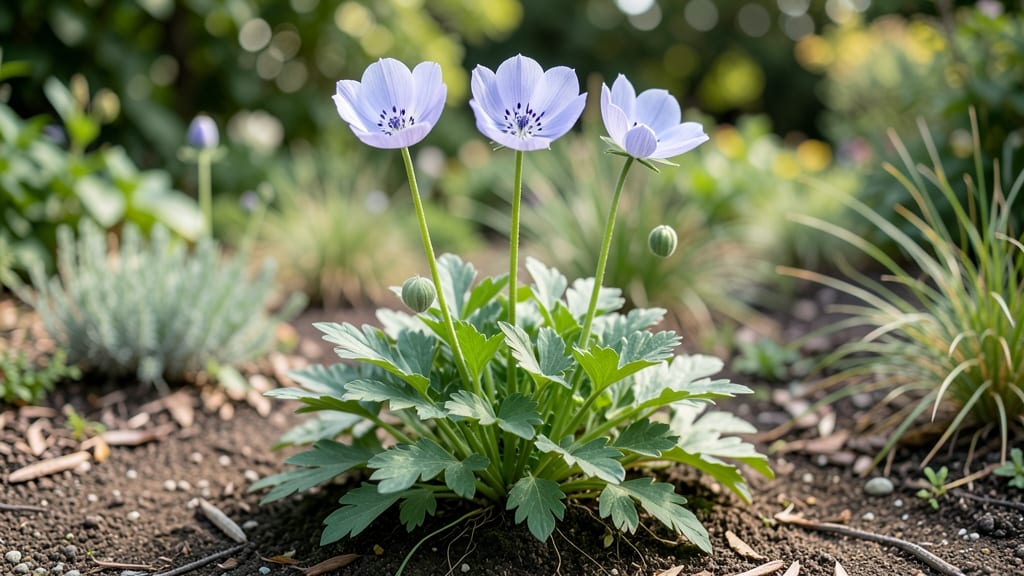
Determining whether balloon flower is an annual or perennial depends on your climate: it behaves like an annual in most regions because its tuberous roots die back completely each winter, then regrow from seed or tubers the following spring. While it shares perennial traits like underground storage, its lack of persistent foliage or stems year-round classifies it as a short-lived perennial or tender annual in colder zones.
This unique growth pattern stems from its tuber-based survival strategy.
Unlike true perennials that maintain above-ground growth or dormant crowns, balloon flowers rely entirely on underground tubers to endure winter's chill. 🌱 In warmer climates (zones 7-10), they often return reliably each year, while in colder regions (zones 3-6), gardeners must treat them as annuals or take special overwintering precautions.
The key difference lies in their cold sensitivity—balloon flowers simply can't tolerate the same level of winter exposure as hardy perennials like hostas or daylilies.
What makes this classification tricky is how balloon flowers mimic perennial behavior in ideal conditions. Their tubers store energy for regrowth, much like true perennials, but without the same level of cold hardiness.
This explains why some gardeners successfully grow them as perennials in protected microclimates or with winter mulching, while others must replant fresh tubers each spring.
💡 In This Article
- Why Balloon Flower’s Tuberous Roots Make It Behave Like an Annual
- How to Grow Balloon Flower as a Perennial in Cold Climates
Why balloon flower’s tuberous roots make it behave like an annual
The balloon flower (Platycodon grandiflorus) relies on specialized tuberous roots that store nutrients and energy, much like dahlias or cannas. Unlike true perennials that maintain dormant crowns or rhizomes, balloon flower tubers completely die back when exposed to freezing temperatures below 20°F (-7°C).
This dormancy triggers a survival mechanism where all above-ground growth collapses, leaving only the underground tubers to persist through winter. 🔥
What sets balloon flowers apart is their cold sensitivity threshold. While true perennials like hostas survive down to -30°F (-34°C), balloon flower tubers begin dying at just 15°F (-9°C) without protection.
This explains why they act as annuals in zones 3-6—even if tubers remain in the ground, they often fail to regrow the following spring due to winter damage.
The tubers themselves are fleshy and starchy, storing enough energy to sprout new shoots in spring, but they lack the protective layers of true hardy perennials.
Here’s how the regrowth process works: When soil temperatures rise above 50°F (10°C) in spring, the tubers detect warmth and begin producing new root systems within 2-3 weeks. This rapid regrowth is why gardeners in milder climates (zones 7-10) often see reliable returns—tubers survive winters undamaged.
In colder zones, however, even well-mulched tubers may only achieve 50-70% survival rates, forcing gardeners to replant annually. 🌱
Comparing balloon flowers to similar tuberous plants reveals key differences. Dahlias, for example, have thicker, more insulated tubers that survive to -20°F (-29°C) with proper mulching, while cannas rely on rhizomes that regrow even after freezing.
Balloon flowers fall somewhere in between—not hardy enough for perennial treatment but too persistent to be true annuals. This "in-between" status is why they’re classified as short-lived perennials in gardening literature.
The sensory clue to identify balloon flower’s tuber behavior is its sudden dieback in fall. Unlike perennials that yellow gradually, balloon flowers wilt and collapse within 1-2 weeks of frost, leaving only bare stems. This dramatic shift signals the tuber’s dormancy phase, where all energy shifts underground. 💫
For gardeners, this means timing matters. Planting tubers too early in spring (before soil reaches 55°F/13°C) can trigger premature sprouting, which freezes back in unexpected cold snaps. Conversely, delaying planting until after last frost ensures tubers stay dormant until conditions are ideal for regrowth.