
Succulent
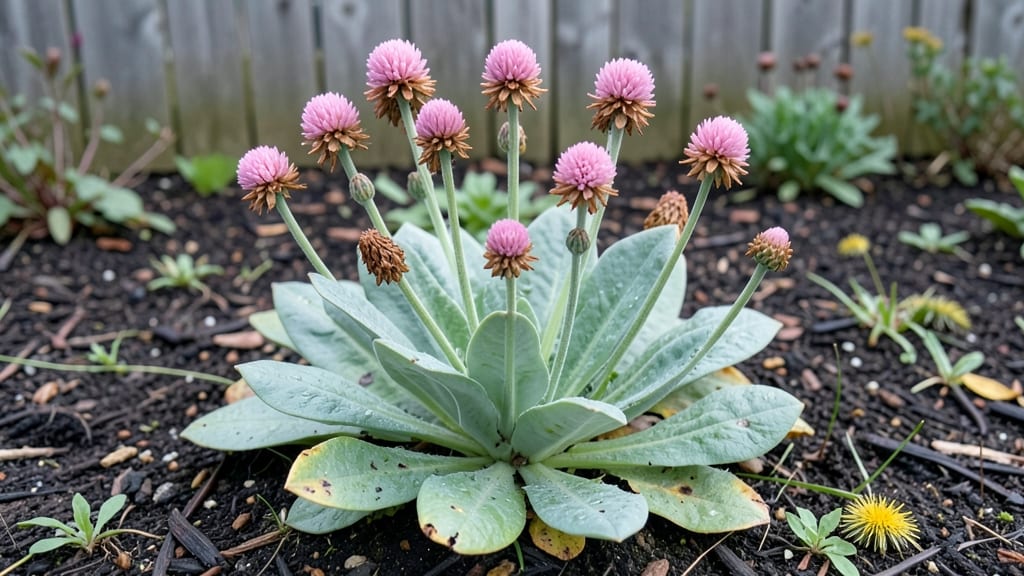
Discover the autumn joy stonecrop perennial, a hardy beauty that thrives on neglect and still looks stunning year after year. Meet Autumn Joy Stonecrop 🌸, the drought-proof superstar that blooms from summer to fall—then stays gorgeous through winter with almost no fuss.
Tired of perennials that demand constant deadheading or fade into forgettable greenery? This hardy sedum does the opposite: it blooms in vibrant pink clusters, turns deep red in autumn, and even holds its color through frost—all while asking for almost no care.
Whether you're a busy gardener or just want a plant that outperforms the rest, Autumn Joy Stonecrop delivers year-round interest with minimal effort. Below, I’ll show you exactly how to plant, prune, and propagate it so it thrives in your garden—no deadheading required.
From full-sun spots to rocky slopes, this perennial is a game-changer for low-water landscapes. Ready to grow a plant that practically takes care of itself? Let’s get started.
Why Autumn Joy Stonecrop stands out among low-maintenance perennials
If you're searching for a perennial that thrives on neglect while still delivering seasonal color, Autumn Joy Stonecrop (Sedum 'Autumn Joy') is your answer. This drought-tolerant powerhouse blooms from midsummer to fall, then transforms into a winter interest plant with deep red stems.
Unlike finicky perennials, it demands zero deadheading and handles poor soil with ease—making it perfect for busy gardeners or rocky landscapes.
What truly sets it apart is its pollinator magnet status. Bees and butterflies adore its pink flower clusters, while its succulent-like foliage stores water like a pro. Even in USDA Zone 3, it survives winter with minimal fuss, proving its year-round reliability.
Whether you're a beginner or a seasoned gardener, this plant delivers maximum impact with minimum effort.
One of my favorite features is how Autumn Joy Stonecrop evolves with the seasons. In summer, its pink flower clusters create a soft, romantic look, while fall brings a deepening pink-to-red hue that lasts until frost.
By winter, the dried stems turn a striking crimson-red, adding texture to winter gardens when most plants have faded. This seasonal color transition happens naturally—no extra work required!
Unlike many perennials that fade into green after blooming, Autumn Joy stays visually engaging. Its succulent-like leaves store moisture, making it ideal for xeriscaping or rock gardens. Even in clay soil or urban landscapes, it thrives where other plants struggle.
I’ve seen it grow in cracks in pavement and still look vibrant—proof of its adaptability.
For pollinator gardens, this plant is a game-changer. Its late-season blooms provide nectar when few other flowers remain, supporting butterflies and bees into autumn. Unlike some perennials that attract pests, Autumn Joy is deer-resistant and rarely bothered by insects. This makes it a low-maintenance pollinator magnet that won’t disappoint.
If you're dealing with poor soil or dry climates, this perennial is your secret weapon. It tolerates sandy soil, clay soil, and even contaminated urban soil without complaining. In my own garden, I’ve planted it in areas where nothing else would grow, and it still thrives.
The key is ensuring well-draining conditions—it hates soggy roots but otherwise forgives almost everything else.
Another standout trait is its winter hardiness. While many perennials die back in cold climates, Autumn Joy often retains its dried stems through winter, creating a natural winter interest. In spring, it rebounds quickly with fresh growth, proving its resilience.
Even in Zone 3, where winters are harsh, it survives with minimal protection—just a light mulch layer if needed.
Let’s talk about the minimal care required. Unlike roses or hydrangeas, you won’t spend hours deadheading or fertilizing. After the first year, it self-sustains. I’ve had patches in my garden for five years with zero fertilizer and only occasional pruning. The only real maintenance is cutting back
Best planting locations and companion plants for maximum impact
Autumn Joy Stonecrop thrives in full sun (6+ hours daily) and well-draining soil, making it perfect for rocky slopes, borders, or drought-prone gardens. Its drought tolerance means you can plant it in areas where other perennials struggle—like south-facing walls or poor soil patches. Just avoid soggy spots, as root rot is its only real enemy.
For optimal impact, space plants 18-24 inches apart to allow airflow and prevent overcrowding. In containers, use well-draining mixes with perlite or sand. This perennial powerhouse also excels in pollinator gardens, attracting bees and butterflies with its late-season blooms.
Autumn Joy Stonecrop Planting Pros & Cons
- Full sun lover (6+ hours)
- Drought-resistant after establishment
- Pollinator magnet (bees/butterflies)
- Winter interest (red stems)
- Weed-suppressing groundcover
- Needs well-draining soil
- Can flop in shady spots
- Slow first-year growth
- Attracts aphids occasionally
- Requires pruning post-bloom
Pro Tip: Pair with lavender or Russian sage to repel pests naturally while creating a low-water garden 🌿
Pair Autumn Joy with lavender to deter pests like aphids while adding fragrant contrast. Russian sage (Perovskia) mirrors its drought tolerance and complements its pink blooms with purple spikes. For texture, add ornamental grasses like Miscanthus or Feather Reed Grass—they sway beautifully in breezes while suppressing weeds.
Catmint (Nepeta) is another stellar companion, offering blue flowers that bloom alongside Autumn Joy’s pink clusters. This combo creates a pollinator paradise while minimizing weed competition. For height contrast, plant black-eyed Susan (Rudbeckia) nearby—its golden blooms pop against Autumn Joy’s deep red stems in winter.
In rock gardens, tuck Autumn Joy between sedum varieties (like ‘Dragon’s Blood’) for a cascading effect. For container gardens, combine it with thyme or hen-and-chicks (Sempervivum) in terracotta pots. The key? Group plants with similar water needs to create a self-sustaining ecosystem.
Remember: Mulch lightly with gravel or straw to retain moisture while preventing soil compaction. With the right companions, your Autumn Joy Stonecrop will shine as the star of the show—year-round! 🌸