
Flowers
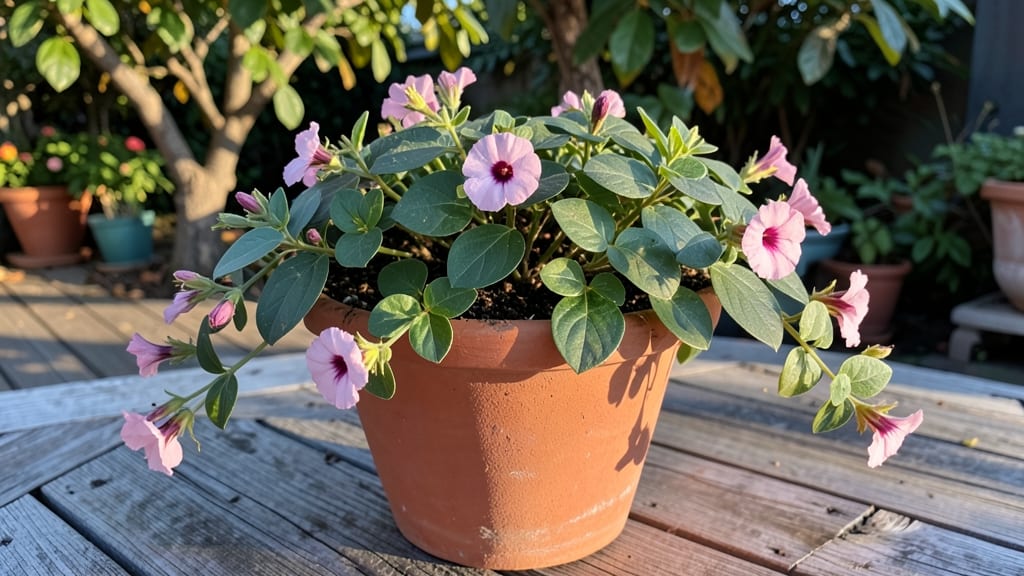
Yes, vinca vine is a perennial that thrives year-round in USDA zones 7-11 thanks to its hardy underground rhizomes, which regenerate even after frost or pruning. Its evergreen foliage and aggressive spread make it a low-maintenance ground cover for warm climates.
Vinca vine's perennial nature comes from its specialized underground rhizome system, which stores nutrients and water during dormancy periods.
Unlike annuals that complete their life cycle in one season, vinca's rhizomes allow it to push new growth from the same root structure year after year. 🌱 The plant's ability to survive frost and recover from heavy pruning demonstrates its resilience, making it ideal for landscapes where minimal maintenance is desired.
This hardiness explains why vinca remains green throughout winter in suitable climates, unlike many other ground covers that die back seasonally.
What sets vinca apart from other perennials is its combination of evergreen foliage and rapid horizontal spread. The rhizomes create a dense mat that suppresses weeds while maintaining vibrant color. This makes vinca particularly valuable for erosion control on slopes or as a living mulch in garden beds.
The trade-off is its aggressive growth habit, which requires regular trimming to maintain desired coverage patterns.
💡 In This Article
- How Vinca Vine’s Rhizome System Works as a Perennial
- Best Practices for Year-Round Vinca Vine Care
How vinca vine’s rhizome system works as a perennial
The vinca vine's perennial status stems from its specialized underground rhizome system, which functions like a built-in survival kit. These horizontal, fleshy roots store carbohydrates and water during dormancy, allowing the plant to push new shoots when conditions improve.
Unlike annuals that rely solely on seeds for regeneration, vinca's rhizomes contain dormant buds that can sprout at multiple points along their length—even after being severed during pruning or frost damage. 🌱
Scientifically, these rhizomes operate through a process called "apical dominance suppression." When the above-ground growth is cut back, the plant redirects energy to lateral buds along the rhizomes, triggering rapid regrowth.
This mechanism explains why vinca can recover from heavy pruning or even complete die-back in winter—its root system remains viable as long as the rhizomes aren't completely destroyed. In contrast, annuals must complete their entire life cycle from seed each year, making them far less resilient to environmental stresses.
The rhizome system also enables vinca's aggressive horizontal spread, which can reach 12-18 inches per year under ideal conditions. Each rhizome segment contains nodes capable of producing new shoots, creating a dense ground cover.
This spread is particularly effective in suppressing weeds, as the vinca's foliage creates a thick mat that blocks sunlight from reaching competing plants. The trade-off is that this growth habit requires careful management in garden beds where containment is desired.
Temperature plays a crucial role in rhizome activity. In zones 7-11, vinca remains actively growing year-round, though growth slows during winter months when temperatures drop below 50°F. The rhizomes enter a state of reduced metabolic activity but remain alive, ready to resume growth when warmer conditions return.
This adaptability explains why vinca maintains its evergreen appearance even in mild winters, unlike many other ground covers that become dormant or lose foliage seasonally.
What's particularly fascinating is how vinca's rhizomes interact with soil microorganisms. Studies show these roots form symbiotic relationships with mycorrhizal fungi, which enhance nutrient uptake—particularly phosphorus and nitrogen—while the rhizomes provide carbohydrates to the fungi.
This mutualistic relationship contributes to vinca's ability to thrive in poor soils where other plants might struggle. The combination of rhizome storage capacity and microbial partnerships creates a self-sustaining system that explains vinca's reputation as an indestructible ground cover.
For gardeners in colder climates (zones 5-6), understanding this rhizome system is key to winter survival. While vinca may lose some foliage in these areas, the rhizomes typically survive unprotected, allowing the plant to regrow in spring.
In contrast, annual vinca varieties would need to be replanted each season, demonstrating the clear advantage of choosing perennial cultivars for long-term landscape projects. 💫