
Orchid Care
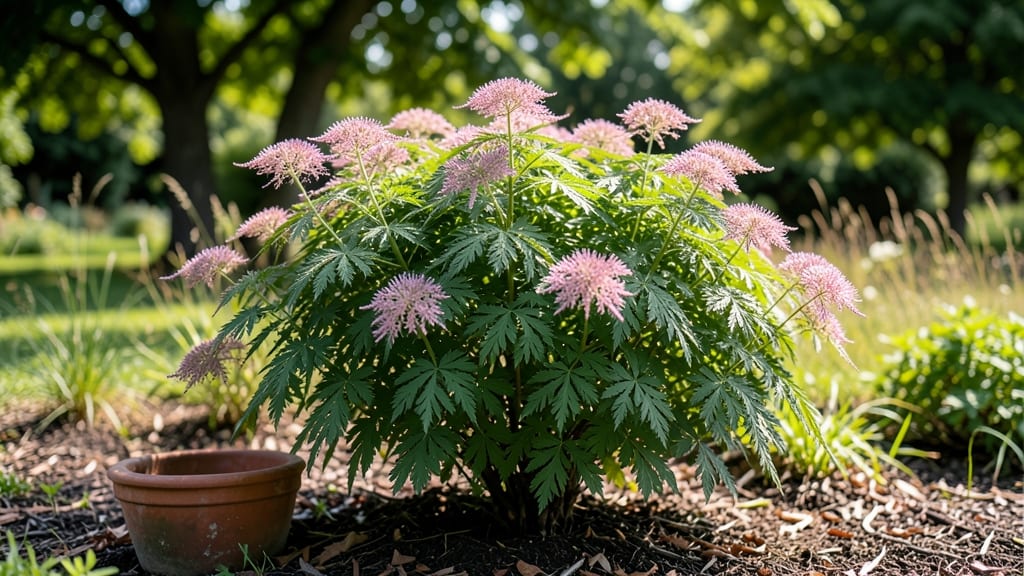
This hardy perennial is often mistaken for an annual, but astilbe is actually a perennial plant that thrives year after year thanks to its hardy underground rhizomes, though some varieties may appear to die back completely in winter before resprouting when temperatures rise. With the right care, these plants can live for many seasons.
This hardy behavior comes down to astilbe's rhizome system, which stores nutrients and energy underground even when the foliage fades in cold months. 🌱 Unlike true annuals that complete their life cycle in one season, astilbe's roots remain dormant but alive through winter, ready to push new growth when conditions improve.
The key difference? Annuals die entirely after flowering, while astilbe's rhizomes act like living batteries for next year's display.
What sets astilbe apart from other perennials is its cold hardiness—most varieties survive winter zones 3-8, though some tropical types may struggle in freezing climates. The misconception about astilbe being annual often comes from gardeners seeing the above-ground stems wither completely, only to reappear in spring.
This natural dormancy is actually a survival strategy that makes astilbe one of the most reliable perennials for seasonal color.
💡 In This Article
- How Astilbe Rhizomes Determine Plant Longevity
- Tips to Maximize Astilbe’s Perennial Performance
How astilbe rhizomes determine plant longevity
Astilbe's perennial nature relies entirely on its rhizome system, a specialized underground stem that stores carbohydrates, proteins, and growth hormones. These thick, fleshy roots act like nature's battery pack, converting sunlight energy from summer foliage into stored nutrients that fuel spring regrowth.
Unlike annuals that complete their life cycle in one season, astilbe rhizomes remain metabolically active during dormancy, maintaining just enough cellular function to survive freezing temperatures down to -25°F in hardy varieties.
The magic happens in late summer when astilbe's foliage begins senescing (naturally aging). While the above-ground stems turn brown and crisp, the rhizome continues photosynthesizing at a reduced rate, building energy reserves.
This underground storage system can weigh 1-2 ounces per plant by fall, providing enough fuel for new shoots to emerge when soil temperatures reach 50°F in spring. The rhizome's thick, waxy coating also prevents moisture loss during winter months.
Cold hardiness zones play a crucial role in determining whether astilbe behaves like a true perennial. Most garden varieties thrive in zones 3-8, where winter temperatures rarely drop below -30°F. In colder climates (zones 1-2), even hardy astilbe may struggle unless heavily mulched.
The confusion about astilbe being annual often stems from gardeners observing complete foliage dieback in winter - this is normal dormancy, not death. The rhizome remains alive below the frost line, ready to push new growth when conditions improve.
What makes astilbe's rhizome system particularly efficient is its ability to produce multiple growth points. Each mature rhizome can generate 3-5 new shoots in spring, creating dense foliage clusters. This vegetative reproduction ensures the plant can recover even if some stems are damaged by frost or pests.
The rhizome's horizontal growth pattern also allows it to spread gradually over time, creating larger clumps each season through a process called stolon formation.
For gardeners in marginal climates, understanding this rhizome biology is key. The plant's survival depends on maintaining soil temperatures above 20°F during winter months. In colder regions, adding 3-4 inches of organic mulch (like shredded leaves or straw) creates an insulating blanket that protects the rhizomes from extreme temperature fluctuations.
This simple technique can mean the difference between annual and perennial behavior in your garden.
Here's what's actually happening when you see astilbe resprout in spring: The rhizome's apical meristem (growth center) receives chemical signals from warming soil, triggering cell division. Within 7-14 days of consistent above-freezing temperatures, new shoots emerge from the rhizome's nodes.
This precise timing mechanism ensures astilbe's reliable yearly returns - a testament to its evolutionary adaptation to temperate climates.