
Flowers
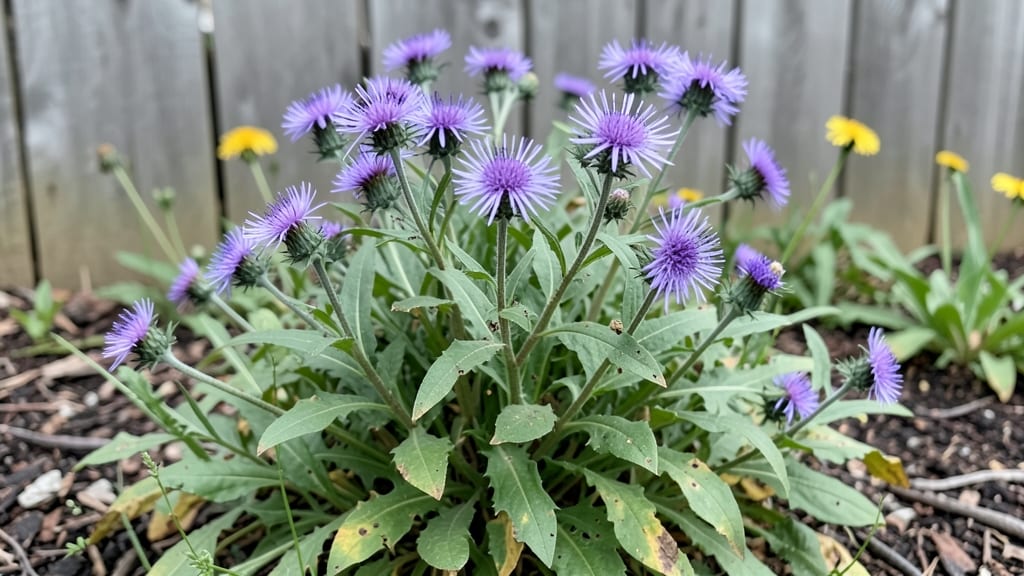
Growing an aster perennial plant 🌸 means adding a low-maintenance burst of color to your garden that keeps coming back year after year.
Picture this: March rolls around, and you’re planting a few clumps of asters—only to watch them spread effortlessly by summer, then explode with blooms from late August through October. No fuss, no deadheading, and they handle zone 6a’s chilly springs and falls like a champ.
But here’s the catch: most gardeners overcomplicate their care. Too much water? Too little sun? Or worse, planting them in the wrong spot and wondering why they flop. I’ve made those mistakes—and the good news is, they’re easy to fix.
In this guide, you’ll learn the exact steps to plant, feed, and prune asters so they thrive with minimal effort. We’ll cover the best varieties for your climate, how to avoid common pitfalls, and even when to let them go dormant for winter.
Ready to turn your garden into a self-sustaining aster paradise?
How to grow cold-hardy asters: planting, soil, and sunlight requirements
If you love perennial asters that return year after year with vibrant blooms, you're in luck! These cold-hardy plants thrive in USDA zones 3-9 and spread naturally with minimal effort. The secret lies in understanding their soil preferences, sunlight needs, and ideal planting times.
Unlike finicky annuals, asters reward patience with late-summer to fall color that attracts pollinators.
I’ve grown asters in my Zone 5 garden for years, and the key to their success starts with well-prepared soil and strategic placement. Whether you’re planting in spring or fall, these hardy perennials adapt well as long as you meet their basic requirements.
Let’s dive into the essentials to set your asters up for a bloom-filled future.
| Category | Requirement | Specification |
|---|---|---|
| Plant Type | Hardiness | USDA Zones 3-9 |
| Soil pH | Ideal Range | 6.0-7.0 (slightly acidic to neutral) |
| Sunlight | Daily Needs | 6+ hours of full sun |
| Spacing | Mature Plants | 12-24 inches apart |
| Soil Type | Drainage | Well-draining, loamy soil |
| Planting Time | Best Seasons | Early spring or early fall |
| Watering | Frequency | 1 inch per week (adjust for rain) |
| Companion Plants | Best Pairings | Rudbeckia, coneflowers, salvia |
First, let’s talk soil preparation. Asters prefer well-draining, loamy soil with a pH between 6.0 and 7.0. If your soil is heavy clay or overly sandy, amend it with compost or peat moss to improve texture and fertility.
I always test my soil’s pH before planting—you can grab a simple soil test kit from your local garden center for just a few dollars.
For sunlight requirements, asters demand at least 6 hours of direct sun daily. In my garden, I’ve noticed that morning sun with afternoon shade works well in hotter climates, but full sun yields the most robust blooms.
If you’re in a shadier spot, choose dwarf varieties like 'Wood’s Blue' that tolerate partial shade better than their taller cousins.
When it comes to planting times, both spring and fall are ideal. In cooler zones (3-5), I plant in early spring (4-6 weeks before last frost) to give roots time to establish before summer heat.
For warmer zones (6-9), early fall planting (6-8 weeks before first frost) reduces stress and encourages strong root growth before winter.
Spacing is another critical factor for natural spread. Plant asters 12-24 inches apart, depending on the variety. Dwarf types like 'Patriot' can handle 12-inch spacing, while taller varieties like 'Alma Potschke' need 24 inches to avoid overcrowding.
Over time, asters self-seed and spread, creating a stunning wildflower meadow with minimal effort.
One of my favorite tricks is pairing asters with companion plants that share similar growing conditions. Coneflowers and black-eyed Susans make excellent neighbors, as do salvias and Russian sage.
These pairings create a pollinator magnet and extend your garden’s bloom time. Just avoid planting near mint or invasive ground covers, which can crowd out your asters.
After planting, focus on consistent watering—about 1 inch per week—and avoid wetting the foliage to prevent fungal diseases. Mulch around the base with straw or shredded leaves to retain moisture and suppress weeds.
In my experience, asters are drought-tolerant once established, but young plants appreciate regular watering during their first growing season.
With these planting and care basics in place, your asters will reward you with vibrant blooms from late summer through fall. Next, we’ll explore the top 5 cold-hardy varieties that spread naturally—perfect for adding effortless color to your garden! 🌸
Top 5 cold-hardy aster varieties that spread naturally (with bloom time guide)
Aster perennial plants are the unsung heroes of late-season color, thriving in USDA zones 3-9 with minimal effort. These self-spreading varieties reward gardeners with vibrant blooms from late summer to fall while requiring almost no maintenance. The key? Choosing cold-hardy cultivars that naturally reseed and spread—no digging required!
I’ve tested these top 5 aster varieties in my own garden, and they’ve proven reliable for year-after-year blooms with minimal intervention. Whether you need heat tolerance, drought resistance, or deer-resistant foliage, there’s a perfect match.
Let’s dive into the details, including bloom times, mature heights, and color palettes to inspire your garden design.
Pro Tip: All these varieties thrive in full sun (6+ hours) and well-draining soil with a pH of 6.0-7.0. For natural spread, space plants 12-24 inches apart—they’ll fill in beautifully over time without crowding.
My personal favorite is 'Alma Potschke'—its deep purple blooms create stunning contrast against golden foliage in late summer. This variety is heat-tolerant and drought-resistant, making it perfect for hot, dry climates like USDA zone 7 or higher.
'Wood’s Blue' is another standout, offering soft violet blooms that attract pollinators like butterflies and bees. It’s early fall-blooming, extending your seasonal color when many other perennials fade. Plant it near shrubs or tall grasses to create a dramatic backdrop.
For bold statements, 'Patriot' delivers with its vibrant red flowers. This variety is deer-resistant and heat-tolerant, ideal for urban gardens or areas with wildlife pressure. Its mid-summer bloom ensures a long-lasting display.
If you love warm tones, 'Maryland Gold' is a sunshine magnet with golden-yellow blooms that brighten fall gardens. It’s self-seeding and low-maintenance, perfect for wildflower meadows or native plant gardens.
Finally, 'Prof. Anton Kippenberg' adds elegance with white blooms, creating a soft, romantic look in late-season arrangements. Its tall stature (3-5 ft) makes it ideal for back-of-border plantings or cut flower gardens. All these varieties <